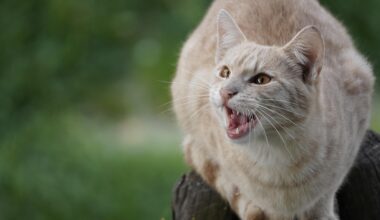

The Psychology of Cat Sports and Cognitive Benefits
Cat sports are becoming increasingly popular among pet owners, as they not only entertain our feline companions but also provide significant cognitive benefits. Engaging in playful activities allows cats to enhance their physical skills and mental agility. It is essential to recognize how these sports contribute to a cat’s overall well-being. Different types of cat sports can include competitive chasing, agility courses, and fetching toys. The stimulation this offers is crucial for indoor cats that may lack other forms of entertainment. While observing your cat actively participating in sports, you’ll notice an uptick in their curiosity and energy levels. These activities encourage problem-solving skills and social interaction as cats compete with each other or their owners. Moreover, introducing new challenges can help prevent boredom, leading to a happier, healthier cat. Consequently, ensuring playtime is consistent is vital to maximizing these benefits. Cat sports also serve as an excellent medium for bonding, enhancing the emotional connection between pets and their owners. Thus, engaging in various cat sports not only supports physical health, but strengthens the mental capabilities and social skills of your furry friend.
Aside from the enjoyment that cat sports provide, they play a pivotal role in mental stimulation for our pets. Cats are natural hunters, and creating an environment that mimics their instincts can significantly satisfy their needs. Engaging in structured sports helps them exercise their predatory skills and keep their minds active. When owners involve their cats in challenges like obstacle courses or puzzle toys, it helps in sharpening their problem-solving abilities. Enhanced mental acuity means cats are less likely to develop behavioral issues stemming from boredom. It is essential for owners to observe their individual cat’s preferences and adjust activities accordingly. Some cats may thrive in competitive settings, while others may prefer gentler forms of play. Interactive toys that require engagement and thought can also be excellent tools during play. By rotating activities and introducing new experiences frequently, owners can maintain their cat’s interest and excitement in sports. Over time, this can create a routine beneficial for both parties involved. To maximize these benefits, owners should always supervise play and ensure that safety measures are in place to minimize potential injuries during sports activities.
The Role of Enrichment
Environmental enrichment is vital to a cat’s psychological health and can significantly enhance their ability to engage in sports. When provided with varied experiences, sensory engagement is achieved, which sparks curiosity and encourages exploration. Cat sports serve as an excellent medium for this kind of enrichment. By integrating different textures, sounds, and challenges into their play, owners can cater to their cats’ diverse preferences. Options like climbing structures or toys with varying shapes can stimulate both their physical and cognitive faculties. These variations in their environment can prevent stagnation and keep a cat’s mind agile. Furthermore, playtime also serves as an opportunity for exercise, as moving through various sports activities engages different muscle groups. As cats grow older, maintaining their fitness levels becomes increasingly important. Regular agility training fosters not only coordination but also confidence in their abilities. Observing a cat master a sport shows the strength of their learning capabilities and contributes to their overall mental sharpness. Enrichment through cat sports is essential for cultivating a healthy and active feline, leading to a stimulating lifestyle both physically and mentally.
Creating a positive atmosphere during cat sports enhances the experience for both the cat and owner. It is essential to foster a sense of fun and curiosity when introducing new activities. Owners should be patient and encouraging when their cats engage in new sports, as initial reactions may vary. Start with simple tasks that gradually increase in complexity, keeping in mind the individual cat’s comfort levels. Praise and reward their efforts regularly, ensuring that the cat feels accomplished and engaged in the process. This positive reinforcement helps cats feel confident, which is crucial for their growth and development. It is also advisable to end each session on a high note—a successful playtime leads to eager participation in future games. Additionally, regular check-ins on the cat’s emotional response during play can highlight their enjoyment or stress levels. If a cat shows signs of fatigue or hesitation, it may be a signal to modify the activity. By continually adjusting the approach based on feedback, the bond between the cat and its owner strengthens, contributing positively to their behavioral development and mental health.
Social Interaction Through Sports
Socialization among cats is an essential aspect of their development, and participating in sports cultivates this process. Cats learn communication skills while engaging in competitive or cooperative play with other cats or humans. Whether through chasing each other or navigating obstacle courses, social interactions foster bonds. Cats often mimic each other’s behavior, allowing them to develop skills more efficiently. This social structure helps reduce feelings of isolation, which is crucial when cats are kept indoors. For multi-cat households, organizing sport-based activities can enhance dynamics, allowing each pet to showcase their talents while bonding with siblings. Supervised playdates can also expedite confidence-building, leading to a happier home. However, it’s imperative to be cautious, ensuring friendly interactions without causing stress or aggression. Empowering cats with the ability to socialize freely in a secure environment lays a foundation for healthy relationships. Regular engagement in group sports can also help mitigate anxiety-driven behaviors and improve overall temperament. Therefore, focusing on social interaction through sports ensures cats are not only physically active but also mentally and emotionally developed.
Routine veterinary check-ups are pivotal when introducing your cat to sports, ensuring that they are physically capable of participating. Regular health assessments help identify any potential issues that may arise due to increased physical activity. Discuss with veterinarians about your cat’s readiness for more strenuous sports, especially if they are senior or have prior health conditions. Proper nutrition also plays a role in maintaining the energy levels needed for active participation. Ensuring they have a balanced diet can significantly affect their performance and recovery during and after sports activities. Hydration is another critical aspect; providing access to fresh water is essential before and after engaging in play. Additionally, varied health-related factors can dictate the intensity of sports your cat can engage in. Owners should always listen to their pets and monitor any changes in their behavior or energy levels closely. An understanding of your cat’s limits is vital to prevent injuries or exhaustion. Thus, combining sports with a strong focus on health and wellness creates a comprehensive approach to enhancing a cat’s cognitive and physical capabilities.
Conclusion on Cat Sports
The integration of sports into a cat’s routine serves numerous benefits, fostering both physical health and mental enrichment. Engaging in various sports helps cats develop skills, build confidence, and strengthen the bond with their owners. Establishing an environment that promotes active play can significantly elevate a cat’s overall quality of life. Ultimately, understanding the intrinsic motivations behind cat sports and recognizing their potential for cognitive and emotional growth leads to more fulfilling pet ownership experiences. Owners must embrace creativity in structuring these activities, allowing cats to thrive in dynamic environments. The importance of socialization, mental stimulation, and physical exercise cannot be understated. Together, these elements create a holistic approach to feline care, ensuring that cats maintain a balanced, enriching lifestyle. Through cat sports, we acknowledge and facilitate their natural instincts, ultimately building a relationship based on trust and mutual enjoyment. Investing time and effort into these activities reaps countless rewards, ensuring a brighter future for our feline companions. In this journey, continuous learning and adapting are vital to cater to their evolving needs, thus enhancing our shared experiences.