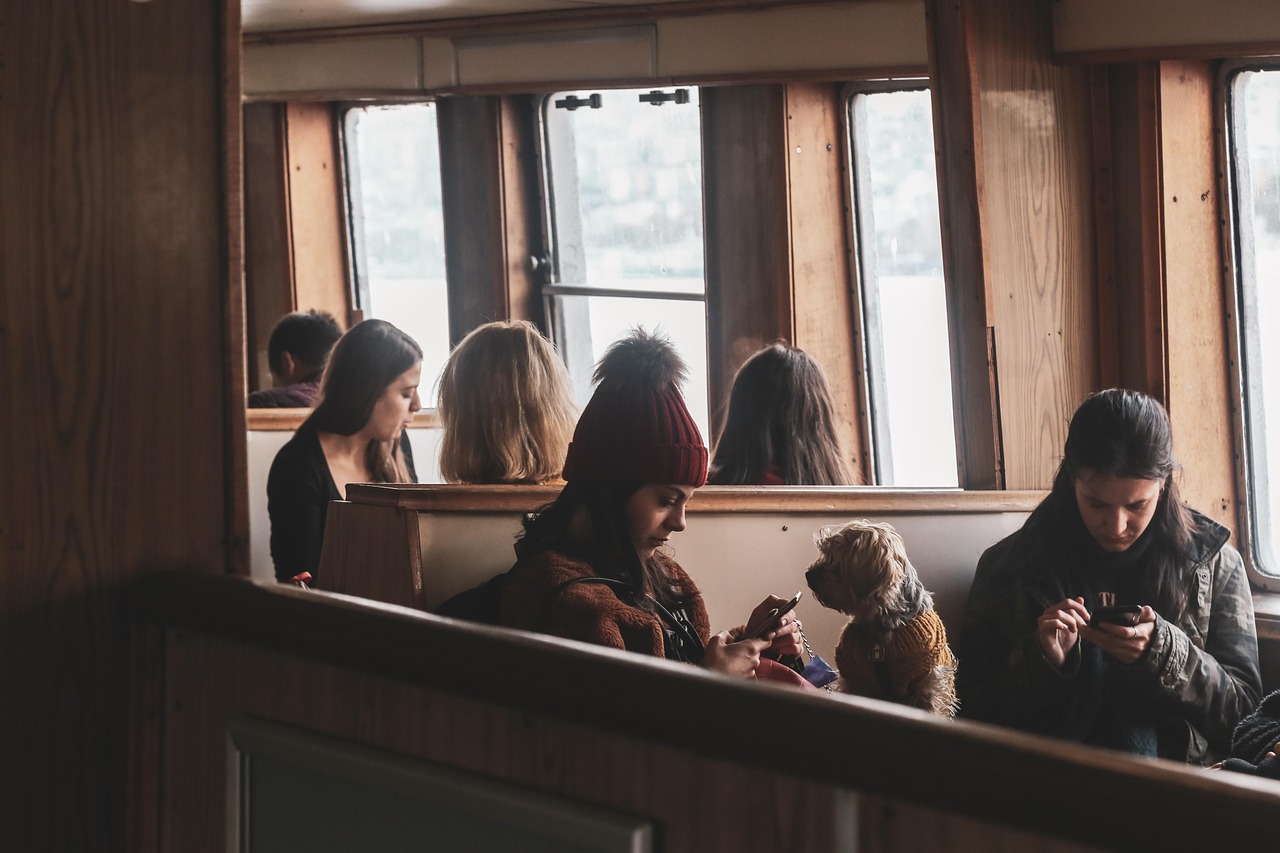

Understanding Travel Anxiety in Dogs
Travel anxiety in dogs can manifest in various ways, creating a challenge for owners who frequently travel with their pets. Many dogs experience stress during travel due to changes in their environment, loud noises, or even the unfamiliarity of new smells. Recognizing the signs of stress is crucial. Common indicators include excessive barking, panting, trembling, and even drooling. A dog’s body language can provide insights into their mental state. For instance, a tucked tail, stiff posture, or constant pacing can signal discomfort. Owners should be attentive to these signs and seek to alleviate their pets’ anxiety before and during travels. Preparing your dog for new experiences can significantly reduce stress levels. Gradual exposure to car rides or public transportation before a trip can help acclimatize your pet. This exposure not only provides them with a sense of familiarity but also builds their confidence. It’s essential to consider your dog’s unique temperament as each breed reacts differently to travel. For some dogs, simple distractions, such as toys or calming music, may do the trick in easing their nervousness. Understanding travel anxiety is the first step in making travel enjoyable for both pet and owner.
Preparation Tips for Traveling with Dogs
Before embarking on a journey with your dog, proper preparation is key. Begin by ensuring your dog is healthy enough for travel. A visit to your veterinarian may be necessary, especially if you’re traveling long distances. Your vet can provide insights on medications to help calm your dog, as well as recommend flea and tick prevention for new environments. Consider investing in a comfortable and secure travel crate. Crates can provide a safe space for your dog and help them feel secure during travel. It’s crucial to acclimate your dog to the crate before your trip. Additionally, bringing familiar items such as their bed or favorite toys can significantly reduce anxiety levels. When planning your itinerary, opt for pet-friendly accommodations and check their policies concerning dogs. Prepare a travel kit that includes food, water, and bowls, as well as any necessary medications. Don’t forget to pack leashes and training supplies to maintain control during stops. Being well-prepared ensures that you and your dog will enjoy traveling together, which fosters positive experiences for future trips. By planning ahead, you can help your furry friend feel more comfortable and secure on your travels.
During travel, managing your dog’s anxiety may require additional strategies. Incorporating calming techniques can be beneficial in reducing stress levels. For instance, consider using pheromone sprays or collars that mimic calming scents, providing a comforting influence in unfamiliar settings. These products are designed to promote relaxation. Moreover, creating a consistent routine when traveling can offer stability for your dog. Maintaining feeding and bathroom schedules can help your pet adapt to the new environment. Frequent stops during long car trips for bathroom breaks and exercise can also relieve some of the pent-up energy and stress. Remember to keep your dog leashed during these breaks to ensure their safety. Engaging your pet with toys or interactive games during travel can distract them from anxiety as well. Another option is to try calming music specifically designed for dogs, which can help soothe and calm their nerves during transportation. Additionally, some owners find success in using natural remedies such as valerian root or chamomile. Always consult your veterinarian before introducing any new products or supplements to your dog’s regimen.
It’s also crucial to monitor your dog closely during travel. As changes in behavior may indicate increased anxiety, being vigilant allows you to respond promptly to their needs. If your dog becomes excessively anxious, it may be necessary to pull over safely to allow them to calm down. Providing physical and emotional support during these moments can help—reassuring your dog with soothing words can remind them of your presence. Creating a distraction by playing with a toy or offering treats during stressful stimuli can also be effective. For some dogs, anxiety decreases significantly when they have an opportunity to meet and play with other pets. Consider planning pet-friendly activities or even reaching out to dog parks on your route. By nurturing your dog’s social needs during travel, you create opportunities for them to form bonds with other friendly animals, reducing their anxiety through positive experiences. Remember, each dog is unique, and understanding your pet’s specific triggers is key to creating a more enjoyable travel experience. Ultimately, spending quality time exploring new places together can be rewarding for both of you.
After arriving at your destination, it’s essential to provide a calming transition for your dog. Establishing a familiar space will help your pet feel secure in the new environment. Set up their bed, toys, and blankets similarly to how you arranged them at home. Maintaining a familiar scent can greatly assist in easing their anxiety levels after travel. Allow your dog to explore the new surroundings at their own pace, ensuring they feel safe and comfortable. Encourage positive experiences by introducing them to their new environment gently. Frequent, positive interactions can help them acclimate to changes more easily. Keep a close eye on your dog’s behavior, as changes in their surroundings can lead to anxious reactions. It’s also wise to maintain regular feeding and walking schedules to foster a sense of routine. Going on daily walks to explore the area can help alleviate anxiety while also providing exercise. If you notice persistent signs of anxiety, consider consulting with a professional dog trainer or behaviorist for further guidance. With proper adjustments and love, your dog can thrive even in new locations, turning each adventure into an extraordinary bonding experience.
Using Professional Help for Anxiety
For some dogs, anxiety might require professional intervention. A certified dog behaviorist or trainer can provide valuable strategies tailored to your dog’s unique needs. They often have experience in dealing with a variety of behavioral issues, including stress during travel. Behavioral modification techniques can be introduced to teach dogs coping skills for stressful situations. These techniques may include desensitization and counter-conditioning, aiming to gradually expose your pet to travel-related stimuli without overwhelming them. Additionally, some veterinarians specialize in canine behavior and can suggest pharmaceutical options to alleviate anxiety. These medications may be particularly helpful for dogs with intense travel anxiety that isn’t managed through behavioral modification alone. Always consult your veterinarian before starting any new treatment plan. Apart from medications, some owners explore therapy options, such as doggy daycare or specialized training classes that focus on socialization and stress reduction. These options can help reinforce positive behavior and improve your dog’s coping mechanisms. It’s essential to remain patient during this process, as some dogs may take longer to adapt than others. Overall, professional guidance can lead to a significant shift in your dog’s response to anxiety-provoking situations.
Traveling with your dog doesn’t have to be an overwhelming experience; understanding your pet’s individual needs and preparation will greatly ease travel anxiety. As a pet owner, your proactive measures can ensure your furry friend feels secure, happy, and confident throughout the journey. By taking the necessary steps and understanding your dog’s triggers, you both can enjoy a stress-free travel experience. Positive reinforcement training and gradual exposure can transform travel into an enjoyable adventure. Researching accommodations and planning routes with breaks that include pet-friendly activities can enhance the journey for everyone involved. Remember to be mindful of your dog’s behavior and emotional state. Staying in tune with their needs, whether it be rest, food, or reassurance, can prevent the development of anxiety during travel. By fostering a nurturing environment and staying consistent, your dog will learn that traveling can be a fun and exciting experience. Ultimately, prioritizing their comfort and well-being while exploring new places will create cherished memories that strengthen your bond. As you plan your next getaway, keep these strategies in mind, and embark on your travels with confidence and enthusiasm.
In conclusion, addressing travel anxiety in dogs requires a combination of understanding, preparation, and a willingness to adapt along the way. The journey may be difficult at times, but the rewards of traveling with your dog can be immensely fulfilling. Each travel experience serves as an opportunity for you and your furry friend to bond while exploring new places together. Remember that the first step in reducing your dog’s anxiety involves tailoring your approach to suit their personality and instincts. Keeping their needs at the forefront will ensure a more enjoyable experience for both of you. Make sure to celebrate the little successes along the way, as this will instill confidence in your dog. As they become accustomed to travel, their anxiety will likely diminish, turning your adventures together into treasured memories. The key is patience and consistency; with time, your pet will learn that travel doesn’t have to be stressful. Your ultimate goal is not just to travel but to foster a healthy relationship where both of you can share new experiences. Embrace the journey, take notes from their responses, and enjoy the beautiful world you can discover together.