
Is Bathing Your Cat Necessary? Myths and Realities Explained
When it comes to cat grooming, a common question arises: is bathing your feline companion really necessary? The truth is that cats are generally quite adept at maintaining their own hygiene. Grooming for them typically involves licking their fur, which effectively removes dirt, debris, and loose hair. It’s essential to understand that bathing might not only be unnecessary but could also lead to skin issues. This is due to the fact that frequent bathing can strip the oils from their coat, leading to dryness and irritation. Therefore, it is crucial to assess the specific needs of your cat before deciding to give them a bath. Some cats can become stressed by the bathing process, and it may not be worth the potential harm to their skin and emotional well-being. Cat owners should also be aware of breed variations; for instance, long-haired breeds may require more grooming due to their fur type. However, relying solely on water and shampoo often is not justified. Instead, regular brushing can help keep your cat’s coat in prime condition, eliminating the need for a full bath.
One prevalent myth is that all cats need regular baths to stay clean. In reality, most cats groom themselves sufficiently. Factors such as age, health, and lifestyle play a significant role in determining whether your cat might require a bath. For example, if your kitty has gotten into something sticky or smelly, you might find yourself needing to intervene. Similarly, older cats or those suffering from arthritis may struggle to groom effectively, thus requiring some help. It’s essential to consider these variables instead of adhering to the blanket statement that all cats need baths. Moreover, some health conditions could force a cat owner to bathe their pet. Always consult your veterinarian to determine what is best for your individual cat. Additionally, using a gentle, cat-specific shampoo will prevent irritation and other complications. Instead of complete baths, it’s often more favorable to engage in spot cleaning or using waterless grooming products. These alternatives can keep your cat clean while minimizing stress and maintaining coat health.
Some people believe that bathing will prevent fleas or pests, but this is largely misleading. While a bath can wash away some fleas, it’s not a long-term solution to infestations. Instead of relying on bathing, consider implementing a regular flea control regimen with preventative treatments like flea collars or spot-on treatments. Your veterinarian can recommend the best options available. It is vital to understand the right way to handle a flea situation. Frequent bathing might only stress your cat without addressing the root cause of the problem. It’s more effective to maintain a clean environment, regularly vacuuming and washing your cat’s bedding, to decrease pest populations. The myth surrounding flea extermination through bathing could lead to neglecting vital preventive steps. This not only helps in keeping insects at bay but also fosters a better overall grooming routine. Moreover, providing your cat with plenty of engaging playtime can keep them active and reduce the likelihood of bug encounters. In conclusion, rethink your approach to cleaning away fleas and focus on better prevention as a priority.
Debunking Common Cat Bathing Myths
Another myth floating around is that all cats hate water. While many cats aren’t fond of being submerged, not all cats will respond negatively to water. Some kittens can even enjoy splashing in a shallow basin. Teaching them to be comfortable around water when they are young may lead to less anxiety later on. On the contrary, sudden exposure to water might cause fear and apprehension in older cats. Therefore, acclimating cats to water should be part of early socialization. Research shows that cats can adapt well to water if introduced correctly. Regardless of breed, some cats simply enjoy water due to their natural curiosity. However, it’s essential to approach this slowly and give them a safe environment. Encouraging them to play with wet toys can also ease their apprehension. When the need arises for a bath, the experience may become less stressful for both the cat and the owner if they establish a proper routine. In cases of emergency, showering them may become necessary. Always consider their temperament and ensure the bath is a safe, calm experience.
Many cat owners are concerned that bathing their pet changes the scent. Cats use scent markers as a crucial aspect of their communication. Bathing could potentially disrupt this process, making your cat feel uneasy. The natural oils in their fur carry their unique scent, which signifies territory to other cats. When these oils are stripped away during a bath, not only do they lose their scent, but it may cause anxiety. Cats rely heavily on this olfactory communication, and removing their scent may lead them to feel insecure or confused. This perception can ultimately contribute to behavioral changes. Bad Indicators include excessive hiding or withdrawal from social interactions. Therefore, consider your cat’s emotional state when contemplating a bath. Instead of washing them, focus on regular brushing, which helps to spread their essential oils while maintaining their natural scent. Your furry friend’s natural aroma is part of what makes them unique. Be sure to respect their grooming routine in a way that prioritizes their comfort and emotional needs.
A significant number of cat owners believe that using human shampoos is safe. In reality, human shampoos can be harmful due to pH differences in skin. Cats have sensitive skin, and using products meant for humans can lead to skin irritations or allergic reactions. Always opt for shampoos that are specifically formulated for cats. Additionally, it is crucial to be aware of ingredients that are toxic to cats. Some common substances found in human products can be potentially hazardous to your furry friend. Always read labels carefully and consult your veterinarian if unsure about a product. If a shampoo is too harsh, it could disrupt their skin barrier and diminish the natural oils essential for fur health. Some cats require hypoallergenic formulas based on their sensitivities, so consider them, too. Available products specifically made for cats prioritize their unique needs. When bathing is deemed necessary, using these recommended shampoos will ensure safe, effective cleaning without compromising your pet’s health.
Conclusion: Understanding Cat Grooming Needs
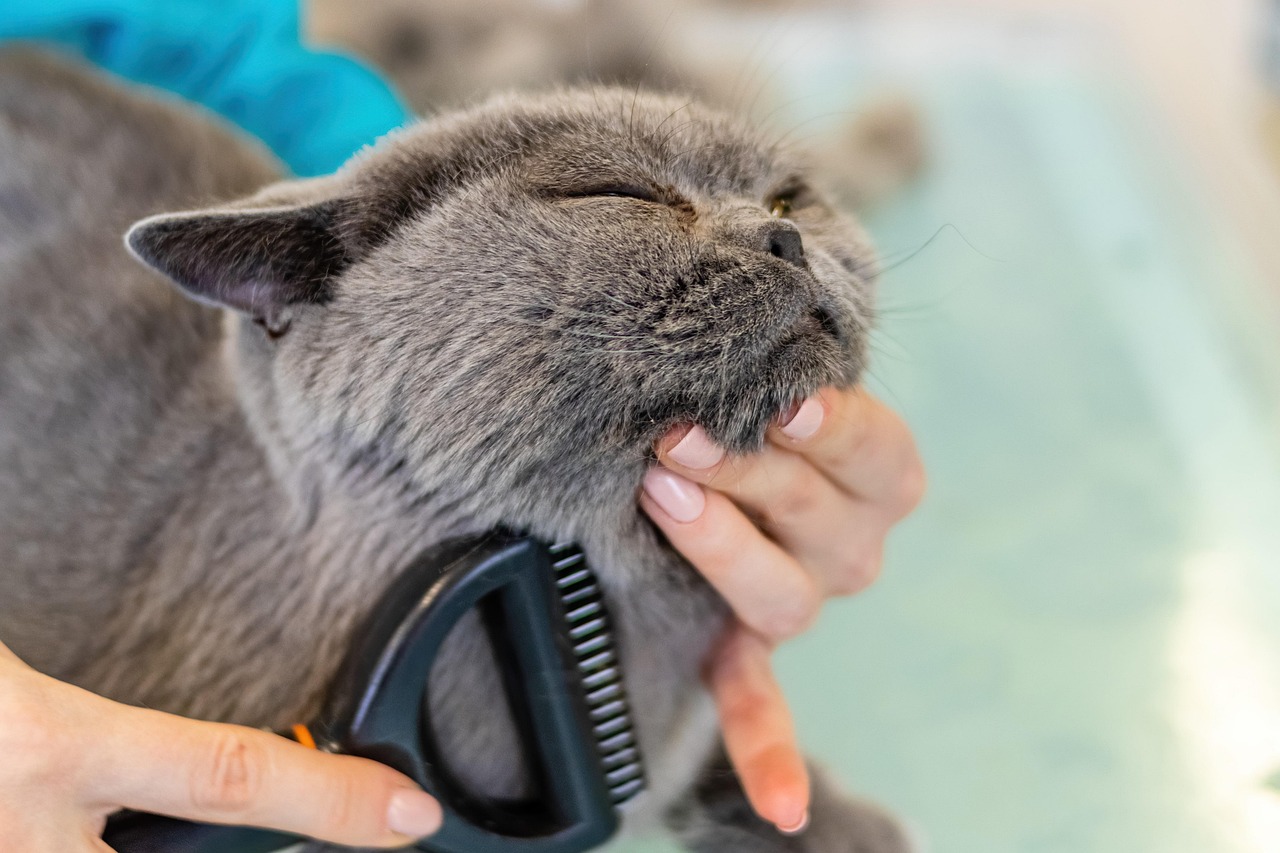
Understanding cat grooming needs involves dispelling myths surrounding the necessity of bathing. Regular brushing plays a critical role in keeping your cat clean and healthy. By maintaining their coat, you can help minimize shedding and avoid matting. In addition to brushing, paying attention to dental care and ear cleaning can contribute to overall well-being. The unique grooming preferences and personalities of each cat must be considered as you assess their needs. While some breeds may thrive with more assistance, others prefer to keep things as natural as possible. Therefore, always tailor grooming practices to suit your individual cat. Also, recognize any changes in their behavior or grooming habits, as these might indicate health concerns. Regular veterinary visits will help you stay informed about what is best for your pet. In conclusion, instead of pushing the need for baths, prioritize understanding your cat’s behavior and preferences. Adopt a comprehensive grooming routine, ensuring comfort and health above all. This approach encourages a positive relationship with your lovely cat.
Moreover, grooming your cat regularly will help you notice any changes in their coat or skin, which can be crucial for early detection of health issues. With regular grooming and proper attention to their needs, both you and your feline companion can enjoy a happier, healthier relationship. Remember to remain patient and follow your cat’s cues during grooming sessions for the best results. Ultimately, embarking on a partnership that prioritizes your cat’s comfort and well-being will yield the best outcomes for both of you in the process. Through understanding and patience, every grooming session can become a bonding experience rather than a chore. Therefore, always make grooming a positive part of your cat’s routine. Whether through gentle brushing or the occasional wash when absolutely necessary, respect their preferences and respond to their needs. This approach yields incredible results while nurturing your friendship. Consistently engaging in these practices will ensure that your cat remains a happy member of your family, confident, and healthy.