
Combining Health and Aesthetics in Dog Cuts
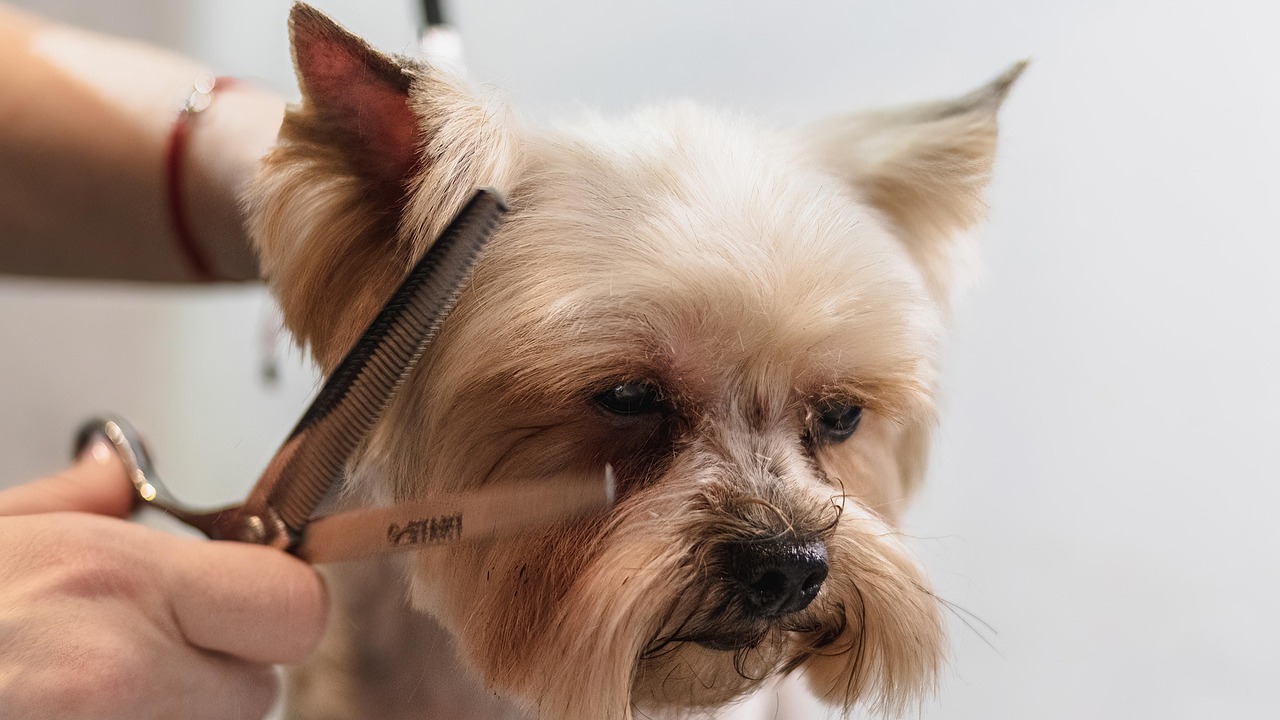
Dog grooming is about more than just looks; it’s about health, comfort, and overall well-being. Styling a dog’s coat can improve their hygiene while enhancing their aesthetic appeal. While grooming focuses on physical appearance, the process can also alleviate matting, dirt accumulation, and parasitic infections. A well-groomed dog can mean fewer visits to the vet, as regular grooming helps detect skin issues or abnormalities early. Moreover, creative cuts can enhance airflow to the skin, providing relief during warmer months. Keeping the coat clean and trimmed prevents skin irritations and infections. Consider choosing styles that allow for easy maintenance at home. When it comes to creative cuts, safety should always be the priority. Use tools that guarantee precision, reducing the risk of accidents. Understanding your dog’s breed characteristics will guide the selection of approaches and techniques. Ultimately, groomers should be committed to maintaining health standards while delivering styling finesse. Seek out grooming services that emphasize both aspects, ensuring that the final look benefits your dog’s health and beauty. An informed approach to dog grooming leads to happy pets and pleased owners.
The choice of grooming products used can significantly impact a dog’s health and appearance. Natural, hypoallergenic shampoos are preferable for dogs with sensitive skin, helping to minimize allergies or irritations during washes. Avoiding harsh chemicals maintains coat integrity while promoting healthy skin. Dogs require specific shears and clippers tailored to their coat types, resulting in clean cuts that reflect professional standards. Groomers need to be trained not just in aesthetics but also in identifying and addressing skin or coat issues. A regular grooming regime fosters an emotional bond between the pet and owner, creating a sense of security and comfort for the dog. Regular handling can reduce anxiety in dog grooming scenarios, making future sessions easier and more enjoyable. Incorporating brain games and interactive techniques during grooming can also maintain the dog’s interest while alleviating any stress associated with the cutting process. Short, positive grooming sessions with established goals can lead to better results while resulting in calmer dogs. Finding the right balance enhances both the aesthetics of styling and the overall health benefits associated with professional dog grooming.
The Role of Professional Groomers
A dog groomer’s expertise goes beyond aesthetics; they play a crucial role in maintaining the health of a pet’s skin and coat. Through regular grooming, professionals are equipped to identify unusual lumps, skin infections, or changes in coat texture. Most pet owners may not notice these early warning signs, reminding us how valuable professionals are in dog care. They perform thorough checks, ensuring every inch of the dog’s body is free from parasites like ticks or fleas. While styles may vary, every groomer should adopt best practices that prioritize both looks and health. They use proper techniques to avoid injury when cutting around sensitive areas like the ears or paws. Additionally, implementing regular schedules for grooming helps keep the dog’s coat healthy and manageable between services. Owners benefit from the groomer’s advice on at-home care techniques suited for each dog’s specific needs. Educating clients about maintaining their dog’s coat at home reinforces health-focused practices. Ultimately, skilled groomers ensure your pet’s grooming reflects beauty while providing lasting well-being.
There is a growing trend of combining styled cuts with health considerations in dog grooming. Creative designs—such as unique patterns or playful shapes—have gained popularity for pet owners looking to make a statement. However, it’s essential that trends do not compromise basic grooming standards or pet well-being. Each grooming session should prioritize the dog’s comfort and not merely focus on aesthetics, which can lead to detrimental outcomes. Guidance from veterinary professionals can inform grooming choices and help avoid harmful trends. Before adopting flashy styles, discuss them with a vet or a qualified groomer who understands your dog’s specific needs. Apart from visual appeal, grooming should also consider the dog’s lifestyle and activity levels. It’s vital that the chosen style does not hinder movement or cause discomfort. As such, communication with the groomer regarding any specific lifestyle factors is important. Access to appropriate information ensures that current trends are safe and suitable before implementation. Most importantly, ensure that all styling methods align with health guidelines while catering to the dog’s distinctive personality, leading to personalized yet healthy grooming.
Seasonal Grooming Considerations
Seasonal changes greatly influence dog grooming requirements and styling choices. In warmer months, dogs may need shorter cuts to stay cool, while longer coats are preferable in colder seasons to retain warmth. Selecting the right style can significantly impact comfort levels, affecting a dog’s overall wellbeing. Regular grooming appointments, ideally monthly, help to keep the coat manageable throughout varying weather conditions. Pet owners need to stay informed about their dogs’ grooming needs that differ seasonally. During summer, consider styles that permit more airflow to the skin, reducing heat stress. In fall, removing shedding hair is crucial to making way for winter undercoats. Moreover, hydration for the dog’s skin is essential as temperatures change. Always emphasize moisturizing products and conditioners to maintain skin health during drying seasons. Adjusting grooming routines to reflect seasonal changes can enhance comfort and health, allowing for full enjoyment of outdoor activities. An overall balanced approach can lead to a harmonious relationship between aesthetics and wellness. Knowing how to adapt your grooming routine can facilitate happiness, leaving both pets and owners satisfied with the process and its results.
Creating customized grooming plans that consider each dog’s unique needs is essential in combining health with aesthetics. Factors such as breed, age, and activity level play significant roles in determining grooming styles and frequency. For instance, high-energy breeds might require more maintenance compared to low-energy ones. A personalized grooming program anticipates and meets the specific needs, such as overcoming shedding or combating allergies. Groomers should work closely with pet owners to document any preferences, previous hairstyles, or even specific cuts preferred by the dog. Regular communication ensures that the grooming experience remains positive and productive, bridging the gap between aesthetics and dog health. Recent studies show that dogs with specific grooming plans experience less anxiety and improved overall health. The key to success lies within tailored strategies that consider each pet’s physical and emotional needs. Regular check-ins can help refine these practices as the seasons change or as the dog ages. Ultimately, building a grooming plan tailors attention to the dog’s unique personality and characteristics while ensuring that both health and styling remain priorities. Happy dogs contribute to happier owners!
The Importance of Ongoing Education
Ongoing education for both dog owners and groomers is paramount in achieving the best outcomes during grooming sessions. Staying updated on new techniques, products, and health standards can significantly enhance the grooming process. Workshops, online courses, and seminars focusing on the latest styles, tools, and canine health offer valuable insights. Groomers should continuously sharpen their skills and knowledge base, ensuring they remain capable of delivering high-quality services while prioritizing health and safety. Engaging with fellow groomers and pet owners also creates a community of support where shared experiences can lead to improved practices. Moreover, dog owners who educate themselves about grooming needs can create manageable expectations, leading to rewarding experiences. Owners should know how to maintain their dog’s style at home, which encourages healthy relationships for both parties. Understanding grooming demands empowers owners to make better decisions on styling, helping to assess when a professional groomer should be consulted. Overall, committed education and knowledge-sharing bolster the health and well-being of dogs while maintaining their aesthetic appeal. Dogs thriving under knowledgeable care enjoy happier lives.