
Using Games to Make Puppy Command Training Fun and Effective
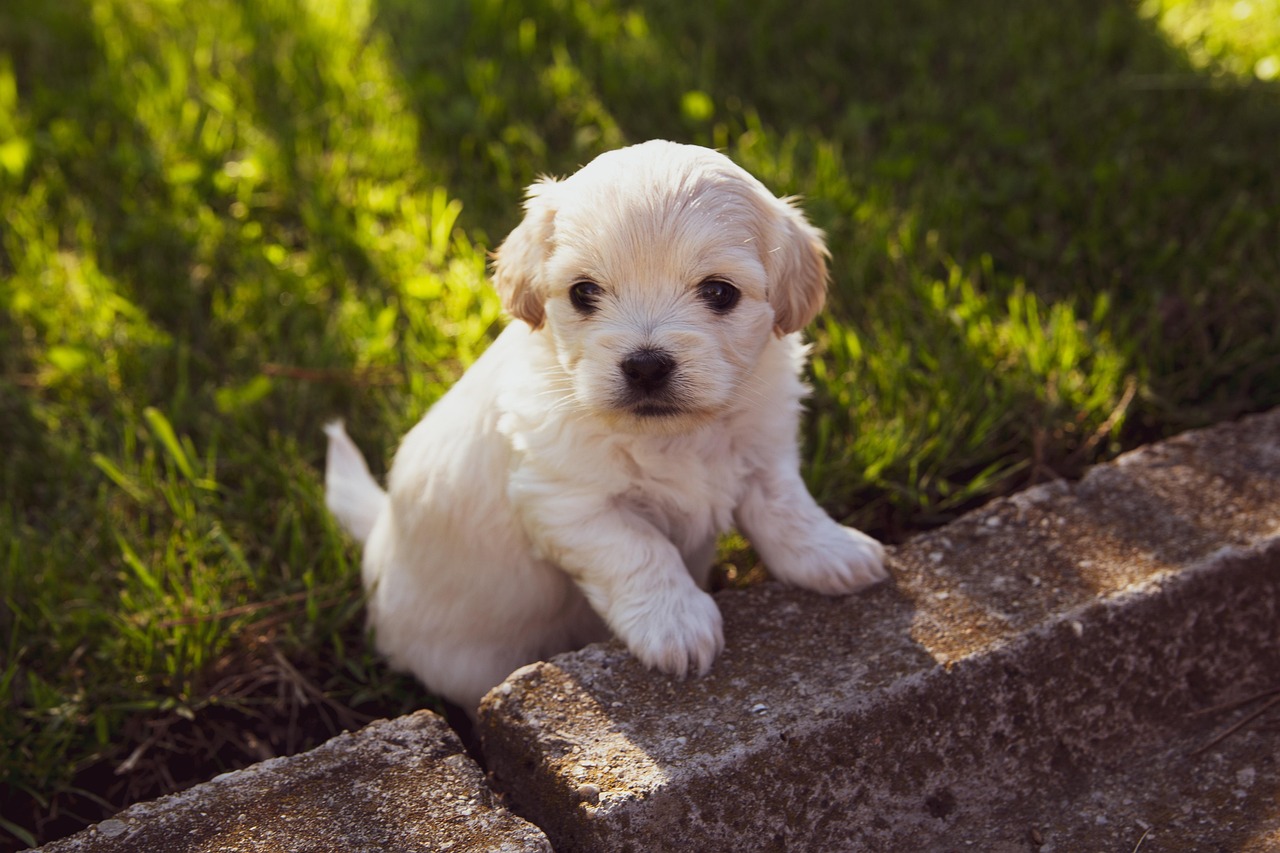
Training your puppy can be a challenge, but incorporating games can make learning enjoyable and effective for both you and your furry friend. First, it’s essential to understand that puppies are naturally curious and playful, meaning they learn best when engaged in activities that stimulate their minds. Games like hide and seek or fetch can turn mundane training into an exciting experience. For instance, while playing fetch, you can introduce commands like “come” and “sit,” rewarding your pup with praise or treats when they follow successfully. After all, a playful learning environment fosters positive reinforcement, which is crucial for effective training.
Similarly, tug-of-war is another fantastic game that can help instill command training. It’s an engaging activity that allows you to teach commands while encouraging your puppy to play. When they hold onto their toy, use commands such as “drop it” or “leave it” and reward them when they respond correctly. Keep in mind that prolonged sessions can lead to overstimulation, so monitor their energy levels. However, short, frequent practice sessions can enhance their focus and responsiveness to commands, reinforcing the learning process. Thus, game-based training ensures that the learning experience is fun and productive.
Incorporating Obstacle Courses for Skill Development
Another innovative way to make puppy command training enjoyable is by setting up obstacle courses. These courses not only require your puppy to follow commands but also boost their physical agility and confidence. You can create your own course using household items like cones, boxes, or tunnels. While they navigate through the course, incorporate commands such as “jump” or “weave”. This hands-on approach makes learning stimulating while helping strengthen the bond between you and your puppy. As they successfully complete tasks, they’ll associate accomplishment with their commands, leading to better retention and performance of the skills taught.
Moreover, agility training serves to develop your puppy’s command responsiveness while providing a rewarding challenge. Utilizing tunnels, jumps, and weave poles can keep the training sessions engaging and dynamic. During this time, introduce new commands related to navigation and direction, such as “over” or “through”. It’s important to provide positive reinforcement when they follow these commands accurately. This method combines physical exercise with mental stimulation, resulting in a well-rounded experience for your puppy. Remember to balance playtime and structured training sessions, maintaining your puppy’s enthusiasm while expanding their skills effectively.
Socialization and Group Games
Group games present another effective approach to training as they enhance socialization while reinforcing commands. Engaging your puppy in playdates with other dogs enables real-life application of commands in a controlled environment. You can incorporate games like “Simon Says” to reinforce commands while ensuring your puppy interacts positively with others. Not only does this provide invaluable experiences that foster communication, but it also helps develop their social skills, essential for a well-adjusted dog. Additionally, gradually introducing distractions allows your puppy to learn focus amidst chaos, a critical skill as they mature.
Practicing these group games bolsters your puppy’s ability to follow commands under distracting conditions. These sessions strengthen obedience and can improve impulse control, which is crucial for maintaining good behavior in various situations. Gradually introduce challenges, such as a group of toys to retrieve or fetch in a park. Always conclude with positive reinforcement, ensuring your puppy associates these environments with fun and achievement. Keeping the atmosphere light-hearted encourages your puppy to engage and comply without fear. Therefore, using group games effectively enhances overall command comprehension and response in day-to-day life.
Consistency and Patience in Game-Based Training
Finally, regardless of the games you choose, remember that consistency and patience are key components of effective training. Consistently using the same commands and rewards helps your puppy make connections between actions and responses more easily. For instance, if you decide to use treats for a tug-of-war command, ensure you always do this, promoting a clear association. Equally important is the need for patience, as every puppy learns at their own pace. Celebrate small victories, understanding that making mistakes is a natural part of the learning journey.
Understanding that each puppy has a unique personality can help tailor your training approach. Adjust your methods and types of games according to their responsiveness. Some may thrive with high-energy activities, while others may prefer calmer games. Keeping this in mind ensures a customized approach that respects your puppy’s learning speed and interests. Over time, game-based training can yield outstanding outcomes, resulting in a well-behaved, responsive, and happy puppy. Harness the joy of games to shape a positive training experience, ensuring your puppy enjoys every session as they learn essential commands.