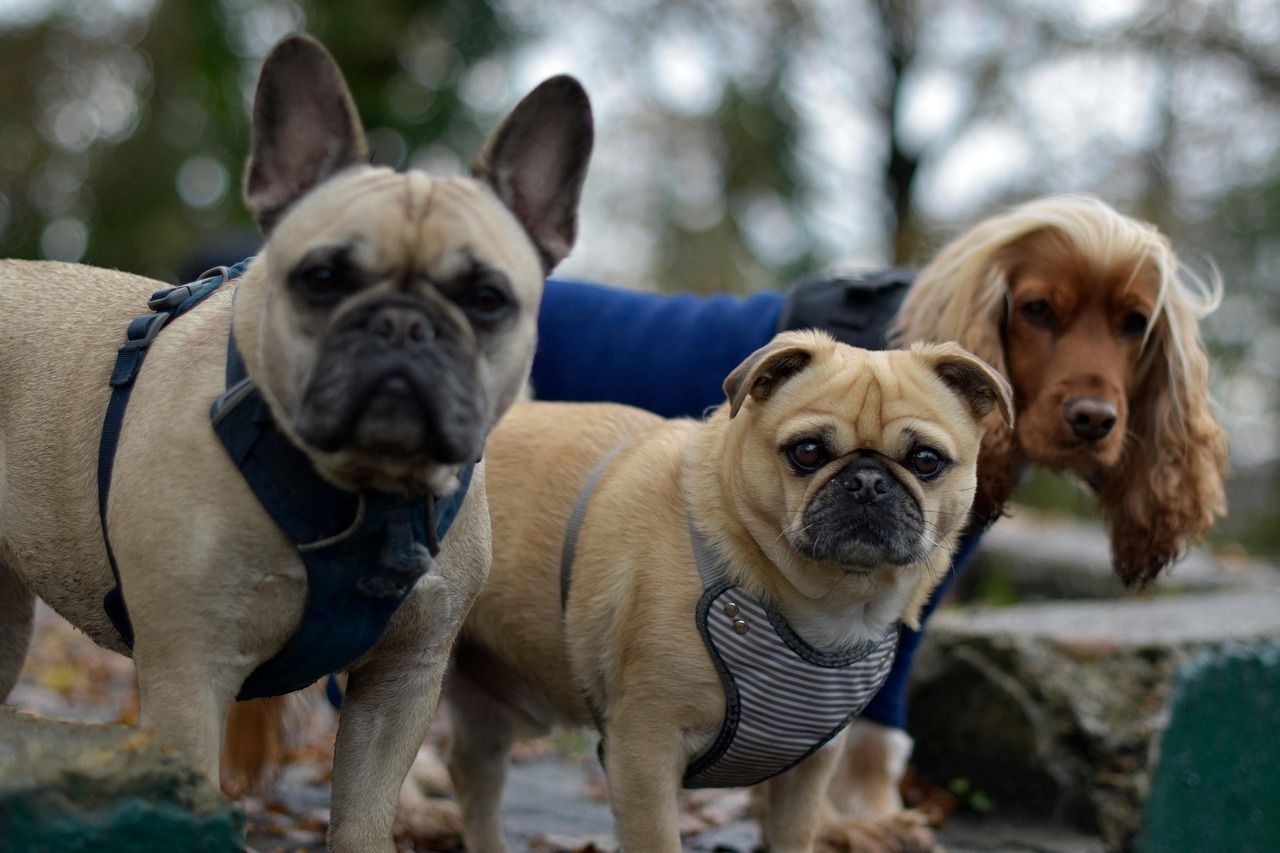

Understanding Pack Dynamics: The Social Structure of Dogs
Dogs are pack animals with a complex social structure that influences their behavior and interactions. Understanding pack dynamics is crucial for dog owners and trainers. In a dog pack, members communicate and establish hierarchies through various signals, including body language and vocalizations. Each dog has a role, whether it is the alpha, beta, or a subordinate member, and these roles dictate the dynamics within the group. Pack structure helps dogs navigate their relationships and understand their place in social settings. Properly socialized dogs are more likely to exhibit balanced behavior. Lack of understanding of these dynamics can lead to behavioral problems and anxiety in dogs. Observing how your dog interacts with others can yield insights into their emotional state and social skills. This article explores the importance of recognizing and nurturing positive pack dynamics. Additionally, it examines how owners can foster healthy relationships among their pets. Understanding these dynamics enhances the bond between dogs and their human families while ensuring appropriate social interactions. This nuanced appreciation fosters a harmonious living environment for everyone involved in your dog’s life, ultimately benefiting their overall well-being.
The Alpha Role in Dog Packs
The role of the alpha dog is vital in the understanding of pack dynamics. Alpha dogs exhibit leadership traits, establishing boundaries and rules within the group. This role is not about dominance but rather responsibility and protection. Alphas maintain order, reducing conflict among pack members. They make decisions about movement, exploration, and safety. This structure is important, as it encourages cooperation and trust among the dogs. Subordinate dogs often rely on the alpha for guidance and stability. It is essential for owners to recognize when their dog assumes this role to ensure that it is exercised positively. An alpha’s leadership should be respected, yet it must not lead to aggressive behaviors. The differences between a true alpha and a fearful dominant dog can sometimes blur, leading to confusion in relationships. Owners must understand these characteristics to maintain harmony in multi-dog households. Dogs look to their human companions for guidance on pack structure too. Owners who set clear boundaries and exercise leadership can foster confidence and security in their dogs, allowing for a healthier pack dynamic.
In addition to the alpha role, the concept of social status within dog packs is essential. Dogs tend to establish a hierarchy that influences their interactions and access to resources. This hierarchy isn’t rigid or permanent but rather fluid, capable of changing based on circumstances. For instance, a younger dog may assert itself to climb the social ladder, which can lead to competition for food, toys, and even attention from humans. Understanding these social standings is critical for dog owners. Recognizing signs of stress or discomfort among dogs can prevent conflicts. Training sessions should be designed to reinforce positive interactions and mitigate rivalry issues. It is also beneficial to provide separate spaces and resources to reduce competition among dogs. Intervention, when necessary, helps maintain stability in a multi-dog environment. It’s crucial that each dog feels secure in its position within the pack. With nurtured social environments, dogs can thrive emotionally and behaviorally. Thus, the benefits of understanding the hierarchy often extend beyond mere social structure. When fostering healthy social relationships, each dog’s well-being improves, leading to a happy and fulfilled life.
Communication Among Pack Members
Communication is a cornerstone of pack dynamics among dogs. Dogs use a variety of vocalizations and body language to convey messages, express emotions, and establish interactions. Barking, growling, whining, and howling can indicate excitement, aggression, fear, or a desire to engage. Visual signals include ear positioning, tail wagging, and overall posture. Understanding these signals helps owners interpret their dogs’ intentions and emotions accurately. For instance, a wagging tail may indicate happiness, but a high, stiff tail can mean readiness for a challenge. Owners should also be attentive to their own body language, as dogs are adept at reading human emotions. The bonds created through effective communication can significantly enhance the relationship between dogs and their owners. Regular interaction and positive communication reinforce trust, allowing dogs to feel secure in their environment. Training can further refine a dog’s communication skills, allowing for smoother interactions and less frustration. By fostering an environment of open dialogue, both human and canine family members can thrive. Consistent communication is the key to nurturing balanced, loving relationships between dogs and their humans.
Another vital aspect of pack dynamics is establishing socialization opportunities for dogs. Early and consistent socialization helps dogs learn how to interact with other dogs and diverse environments. Socialization reduces the likelihood of aggression, fear, and anxiety in adult dogs. Owners should expose their dogs to various situations, including parks, pet stores, and training classes. Positive reinforcement techniques are particularly effective during these experiences. By associating new experiences with rewards, dogs learn to approach them with confidence. Group training classes are an excellent way to facilitate socialization with other canines. Familiarizing dogs with different breeds and sizes boosts their adaptability and resilience. Additionally, allowing dogs to interact with well-mannered dogs can enhance their social skills. Owners should carefully monitor interactions to ensure that they remain positive and healthy. The key to successful socialization lies in continued exposure followed by consistent positive reinforcement. A well-socialized dog becomes an adaptable, confident canine companion. By prioritizing socialization early on, owners can actively contribute to their dog’s behavioral development. Dogs that are comfortable in various situations are more likely to thrive both at home and in public settings.
Conflict Resolution in Dog Packs
Conflict resolution among dogs is crucial for maintaining a healthy pack dynamic. Conflicts can arise over resources, space, or leadership challenges. Understanding the triggers for these conflicts can help owners prevent escalation. To maintain harmony, it is essential to recognize the signs of stress and tension in pack members. Signs may include growling, staring, or raised hackles. Owners should intervene early, redirecting behavior before issues escalate. Proper training and socialization can also preemptively address conflicts, teaching dogs appropriate behavior. Reinforcing commands such as ‘leave it’ or ‘come’ can redirect attention away from potential confrontations. Creating separate spaces for dogs can further lessen competition for resources. Regular monitoring of interactions ensures that conflict does not become a habitual issue. With consistent training and intervention, many conflicts can be avoided altogether. Dog owners should promote a sense of security and stability within the pack, reducing the likelihood of aggressive behaviors. When conflict occurs, a calm approach from the owner can de-escalate the situation quickly. By navigating conflict thoughtfully, owners empower their dogs with the skills needed for peaceful coexistence and establish a harmonious living situation.
In addition to managing conflict, providing structured environments is fundamental in understanding pack dynamics. Structured environments include routine, predictable activities, and consistent rules within the household. Establishing a daily schedule allows dogs to know what to expect, which fosters a sense of security. Regular feeding times, play sessions, and training opportunities create a stable atmosphere. Additionally, providing clear behavioral expectations helps dogs understand their roles within the pack. Engaging dogs in structured training sessions promotes mental stimulation. When owners set boundaries and guidelines, it encourages good behavior. A routine also helps prevent behavioral issues stemming from boredom or anxiety. Owners should be diligent in maintaining consistency so dogs can learn expectations effectively. Establishing clear communication reinforces the pack structure, helping dogs feel confident and secure. A successful structured environment enhances the bond between humans and their dogs. The dynamics created within this structure lead to greater harmony and satisfaction. In turn, happy dogs lead to happy owners. Understanding and implementing stable environments is crucial for both dogs and their human companions.
Finally, understanding the pack dynamics of dogs leads to profound insights into their behavior. They are social creatures that thrive on interaction and structure. Recognizing their needs, roles, and communication styles is essential for fostering a loving relationship between dogs and humans. Owners should stay adaptable, observing how their dog’s personality impacts their interactions. Some dogs may require different approaches to socialization, training, and behavioral reinforcement. Therefore, understanding individual preferences is key. The benefits of successful pack dynamics extend beyond merely keeping the peace; they enhance the well-being of every dog in the pack. Exploring these dynamics deepens the appreciation for dogs’ emotional complexity. As we navigate our relationships with our dogs, a mindset of compassion and understanding allows for growth and fulfillment. Owners who invest in understanding pack dynamics will create a stable and loving environment for their pets, promoting their happiness and resilience. Overall, knowledge of pack dynamics helps shape positive behaviors, leading to more fulfilling lives for dogs. A deep commitment to understanding dog psychology ultimately leads to successful and enriching relationships, full of trust and companionship.