
How to Treat Dog Burns and Scalds at Home
As a responsible dog parent, understanding how to handle burns and scalds is crucial. Burns can occur due to various reasons, such as contact with hot surfaces or scalding liquids. The first step is to assess the severity of the burn. First-degree burns may only cause redness and minor pain, while second-degree burns may have blisters and deeper tissue damage. Taking immediate action can make a significant difference in the comfort and healing of your dog. Always approach your dog calmly to prevent stress and anxiety. Gently restrain your dog if necessary to allow for treatment. Observing your dog for signs of distress, such as whining or aggressive behavior, is essential when handling any painful injuries. Remain calm and soothing, speaking softly to help them relax. This will also help you focus on providing the necessary care without causing additional anxiety. Assess the area affected and prepare to treat it. The right first aid steps can mitigate the damage and initiate healing. In the following tips, we will elaborate on home treatments you can employ for various burn types with a special focus on dog safety.
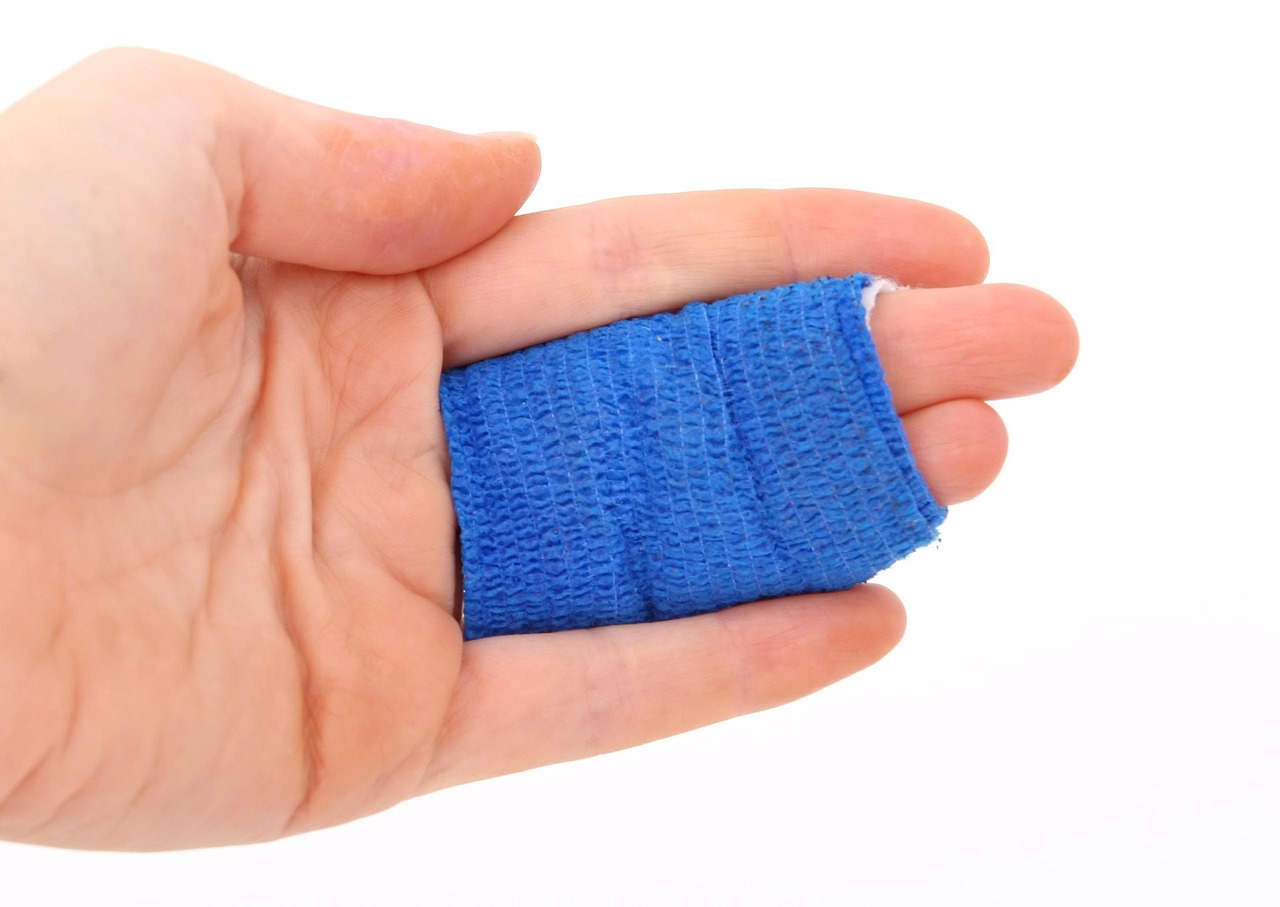
First, cool the burn immediately. Run cool water over the affected area for 10 to 15 minutes. This helps reduce pain and prevent the burn from worsening. Avoid using ice or very cold water, as this can further irritate the skin. When applying water, use gentle pressure to keep your dog’s discomfort minimized. After cooling, make sure to dry the area gently using a clean towel. Avoid any scrubbing, as this can cause more harm. Keeping the burn clean is vital to prevent infection. If necessary, trim any hair away from the wound to improve airflow. Once dried, apply a suitable burn ointment. Consult your veterinarian for an effective product tailored for dogs. Never use human ointments, as some can be toxic to pets. After applying the ointment, cover the burn with a clean, non-stick bandage to keep it protected from further injury. Monitor the area closely for signs of infection, such as increased redness or discharge. If you notice unusual swelling or your dog seems to be in pain despite treatment, seek veterinary assistance promptly for advanced care.
Identifying Burn Severity
Understanding the severity of your dog’s burn is key to determining appropriate treatment. Burns can range from minor to severe, and recognizing the signs is essential. A first-degree burn may appear red and swollen but will heal within a week with proper care. Second-degree burns can produce serious blistering and may take longer to heal, requiring additional treatment. You may also notice your dog licking the area, which indicates irritation. If you encounter third-degree burns, the situation can be critical. These burns penetrate through the skin layers and can damage deeper tissues. The affected area may appear white, charred, or leathery. In such cases, immediate veterinary assistance is vital. Each burn requires specific care, and understanding these differences will allow you to respond effectively. Always keep in mind that the nature of wounds can change if not monitored closely. Prevention is always preferable. Ensuring your dog stays away from known hazards is a good practice. Hence, creating a safe environment will significantly reduce the chances of burns and injuries occurring in the first place.
If your dog has sustained a more serious burn, infection is a significant concern. After providing initial first aid, monitoring the healing process is paramount. Keep an eye out for signs of infection, such as unusual smell, pus, swelling, or increasing pain. You should also watch your dog’s behavior closely. If your dog appears lethargic or is refusing to eat or drink, these could be signs that something is amiss. It is essential to reach out to your veterinarian to evaluate the injury further and recommend appropriate treatment. Depending on the severity, your dog may require antibiotics or additional support. In severe cases, your veterinarian may counsel specialized care to ensure optimal healing. Keeping your dog comfortable during recovery can help them cope with the pain. Providing a calm, quiet space where they feel secure will assist in the healing process. Additionally, consider using an Elizabethan collar to prevent licking and further irritation. A comfortable and safe environment supports recovery and improves your dog’s overall well-being during this stressful time.
Preventive Measures for Dog Safety
Prevention is the best defense against dog burns and scalds. As a dog parent, implementing measures to reduce risks is essential. Creating a safe living space can help in minimizing potential hazards. Ensure that any hot appliances, such as heaters or stoves, are out of your dog’s reach. Also, educate family members about the dangers of leaving hot liquids within your dog’s reach. It’s vital to avoid letting your dog roam freely in kitchens or areas where cooking happens. If possible, designate areas in your home that are strictly off-limits for your dog. Furthermore, using baby gates can aid in restricting access to unsafe environments. Be mindful of hot pavement or sand during warm weather, as it can burn your dog’s paw pads. Take your dog for walks during cooler times of the day and provide soft surfaces for them to rest on. Regularly inspect your dog’s environment for hazards and remove any unwanted materials that pose threats. Engaging in these preventive measures will significantly reduce the risk of painful burns, ensuring your dog’s safety and well-being.
In case your dog is accidentally burned, reassuring them will help. Your emotional state can influence their response to pain and stress. Create a soothing environment to help them feel more comfortable. Gently pet your dog and talk softly to alleviate anxiety. Always interpret their body language. If your dog appears frightened or distressed, adjust your approach accordingly. Gently restraining them will help you provide necessary care while ensuring they don’t accidentally harm themselves. If your dog is small, consider holding them in your lap to keep them calm while tending to injuries. The treatment you provide at home is essential, yet remember that sometimes, professional intervention is necessary. Keeping open communication with your veterinarian is vital throughout this process. Being prepared for emergencies will make handling these situations easier. Having a basic pet first aid kit, including antiseptic wipes, non-stick bandages, and recommended ointments, can expedite initial care. Regularly reviewing your kit and ensuring supplies are stocked and updated will provide peace of mind during emergencies. Thus, being a proactive caregiver ensures you can handle any injury your furry friend may encounter.
Final Considerations and When to Seek Help
As a devoted pet owner, knowing when to seek professional help is crucial. After administering first aid, monitor your dog’s condition closely. If the burn does not improve within a couple of days or exhibits any signs of worsening, contact your veterinarian. Additionally, if your dog seems to experience severe pain, it’s best for a professional evaluation to ensure they receive comprehensive care. Dog burns can have long-lasting consequences, including scarring and skin issues if not treated properly. In extreme cases, specialized treatments may be required to promote healing and restore skin integrity. Be proactive in following your veterinarian’s advice and treatment plans. Keeping an eye on recovering areas will help you catch any issues early, ensuring timely intervention. With proper care, many dogs recover fully from burns without lasting effects. Supporting your dog post-injury is equally important as treatment. Comforting them and keeping their spirits high is essential. Ensuring they have a safe and loving environment will facilitate the healing process. Always remember that your knowledge and care play a significant role in your dog’s overall health and recovery.
Your role as a dog parent includes ensuring their safety and well-being. With awareness of how to handle burns and injuries, you’ll be better equipped to provide necessary care. By having a proactive approach to prevention and treatment, your dog can enjoy a happy and healthy life. Stay prepared and updated on first aid practices, ensuring your canine companion receives the best care possible. Keeping up with vet visits and maintaining a well-stocked first aid kit are also crucial as loving dog owners. Whether addressing injuries or just enjoying the love of your pup, being informed is key. Remember, your furry friend relies on you, making knowledge about their safety and health paramount. Therefore, be informed, stay equipped, and always advocate for your pet’s well-being. Further sharing this knowledge with other dog owners can help create a community of informed caregivers. This adds to better overall pet care and safety. An informed owner leads to a happier, healthier pet. Your awareness makes a difference not just for you but for others too.