
Incorporating Agility Exercises into Group Training
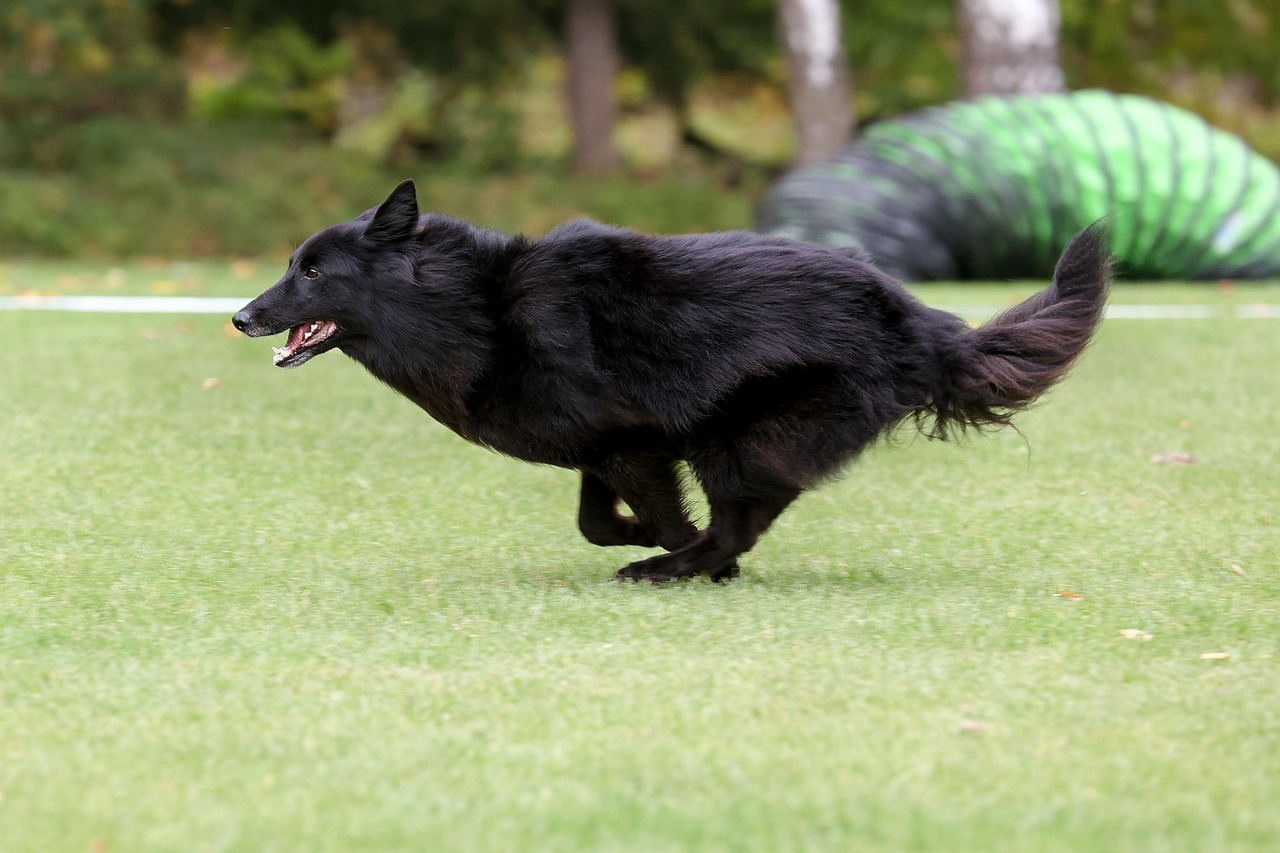
Group training sessions are an excellent platform for enhancing dog socialization while incorporating agility exercises. These sessions not only allow dogs to interact but also enable them to learn essential skills through engaging activities. Agility exercises can include various obstacles like jumps, tunnels, and weave poles, which challenge dogs both mentally and physically. Moreover, such activities promote teamwork among dog owners as they encourage participation and support. Incorporating agility into these sessions can also be beneficial for dogs that may be shy or anxious. With the right encouragement, these dogs may begin to build confidence and resilience. Additionally, a structured environment enables trainers to focus on individual needs while fostering positive group dynamics. Various agility drills can be tailored to accommodate different skill levels. Therefore, trainers should carefully assess each dog to ensure appropriate challenges. Furthermore, introducing these exercises gradually helps prevent overwhelming the participants. Overall, group training sessions enriched with agility exercises pave the way for enhanced social interactions and skill development for both dogs and their owners. Dogs learn to follow commands while navigating obstacles, reinforcing their connection with their handlers.
As group training sessions progress, agility exercises can teach dogs vital life skills, helping them adapt to various environments. These skills are not just physical; they also strengthen the mental bond between the dog and its owner. Consistency and repetition are key elements in facilitating this process. Dogs thrive on routine and clear instructions, which make agility training an effective method to enhance their responsiveness. Over time, agility exercises improve coordination and balance, which are crucial for a dog’s overall well-being. A variety of exercises can be introduced to ensure participants remain engaged. For example, mixing up the course layout can keep both dogs and handlers motivated. Adaptations can also cater to the varying capabilities within a group. This ensures that all dogs can participate, fostering an inclusive atmosphere. Such a training environment promotes cheering and encouragement from owners, enhancing social interaction and satisfaction. Moreover, maintaining a supportive atmosphere encourages dogs to take risks and explore new experiences. All dogs may experience a gradual enhancement in their alertness and enthusiasm. Ultimately, incorporating agility exercises into group training sessions can result in happier and healthier dogs who display improved socialization skills.
One effective way to incorporate agility exercises is to create a structured course layout within the training area. By clearly marking each obstacle, dogs can navigate the course with purpose, improving their focus and dexterity. Owners should lead their dogs through the course, using positive reinforcement to encourage progress. This creates a dynamic environment where dogs can learn to trust their handlers as they tackle each challenge. Using a combination of treats and verbal praise can significantly boost a dog’s performance and willingness to attempt difficult tasks. Trainers can also demonstrate techniques before allowing participants to practice independently. This method ensures that safety remains a priority during the exercises. Furthermore, leading by example and displaying enthusiasm helps to foster excitement around agility. With multiple obstacles in a single course, dogs will experience stimulation, increasing their ability to adapt to various challenges. Additionally, rotating obstacles keeps the training fresh and versatile, allowing for continued development. Group sessions with agility exercises promote interaction among owners as they discuss techniques and experiences. As relationships develop, owner communication and camaraderie improve, complementing the socialization of their dogs immensely.
Creating a Positive Environment for Learning
Creating a positive environment is essential for successful group training sessions focused on agility exercises. Dogs are sensitive to the emotions of their handlers, so fostering a supportive atmosphere is critical. Trainers should emphasize calmness and positivity during the sessions, leading to a more enjoyable experience for everyone involved. When all participants feel comfortable, dogs tend to perform better and engage more. Socialization among dogs is enhanced when they see their peers navigating agility courses successfully, as they may feel encouraged to participate fearlessly. Furthermore, the use of playful competition can motivate groups. Friendly races and challenges yield fun interaction while keeping training light-hearted. Observation skills can also improve when handlers watch how other dogs approach tasks, allowing owners to adapt strategies for their own pets. Group sessions should encourage communication and collaboration among owners to share tips and techniques effectively. Celebrating progress, whether big or small, cultivates a mindset of growth and positivity. Lastly, including breaks during the sessions allows both dogs and handlers to refresh and recharge, promoting long-lasting engagement. Overall, a positive and friendly atmosphere will encourage optimal interaction and learning throughout the training sessions.
As dogs progress through the agility exercises, it is important to monitor their physical and emotional well-being. Recognizing signs of fatigue or stress enables handlers to adjust the training intensity accordingly. Ensuring that each dog enjoys the training experience is crucial for their continued participation. Handlers should be aware of their dogs’ individual preferences and adjust the pacing of the exercises to accommodate their needs. Slow, gradual introductions to new obstacles prevent overwhelming a dog, fostering a more enjoyable learning environment. Trainers can also implement fun games that complement the agility tasks, providing additional positive experiences. For example, using retrieved toys can stimulate a dog’s motivation, encouraging them to navigate obstacles enthusiastically. Additionally, offering ample breaks allows dogs to recuperate and reduce any potential anxiety. Monitoring group dynamics helps ensure that no dog feels threatened or pressured by the presence of other participants. Facilitating healthy interactions within the group encourages dogs to develop socialization skills and experience confidence. With ongoing assessment and adjustments, the benefits of agility exercises become evident through improved behavior, communication, and overall health among participating dogs.
Engaging in Community through Group Training
Engaging in community through group training sessions enriches the experience for both dogs and their owners. Building connections with fellow dog lovers cultivates shared enthusiasm and camaraderie. Networking becomes easier when everyone is working towards the common goal of improving their dogs’ agility skills. These community relationships can provide valuable support, share ideas, and expand training techniques beyond scheduled sessions. Organizing group outings or challenges can further strengthen bonds among participants. For instance, hosting local competitions can create spirited excitement, motivating dogs and owners to shine. Such events not only showcase individual growth but also encourage positive interactions among dogs. Group training fosters an avenue for sharing resources, as community members exchange information about local parks and events. Knowing other trainers allows owners to explore a variety of perspectives and methods. Collaborating on training projects further solidifies relationships, as it promotes accountability and shared responsibility. As community enthusiasm grows, more local resources may develop to support agility training. Overall, the community aspect of group training magnifies the joy experienced by both dogs and their handlers while fostering lasting friendships.
In conclusion, incorporating agility exercises into group training sessions offers numerous benefits for dog socialization and development. These sessions create a fun, engaging environment where dogs can enhance their physical skills while forming connections with other dogs and their owners. The combination of structured training, positive reinforcement, and community interaction leads to healthier, happier dogs. Through agility activities, handlers learn about their dogs’ personalities, individual needs, and preferences. This awareness ultimately strengthens their relationships, fostering deeper trust and understanding. Moreover, a supportive training atmosphere nurtures bonds among participants, while developing a network of fellow dog enthusiasts. As dogs complete various agility challenges, their confidence soars, allowing for smoother integration into different social situations. The skills learned during these group training sessions translate into everyday scenarios, improving overall behavior and adaptability. In this way, selecting the right combinations of agility exercises empowers handlers to maximize each dog’s potential. Consequently, dogs exhibit remarkable growth in their social skills and emotional resilience. So, engaging dogs in these dynamic activities not only elevates their training experience but creates an ongoing path towards lifelong learning. Embrace agility in group training to enjoy the rewards of canine companionship and growth.