
The Impact of Savannah Cats on Local Wildlife and Environment
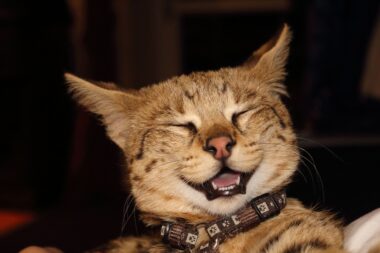
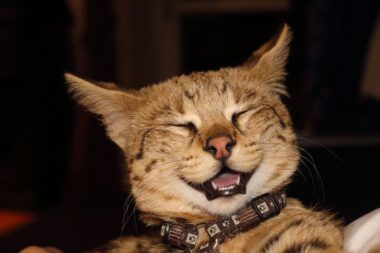
The Savannah cat, a hybrid breed resulting from crossing a domestic cat with a serval, has captured the hearts of many cat lovers due to its striking appearance and fascinating personality. Nonetheless, this breed also raises concerns about its impact on local wildlife and ecosystems. Savannah cats possess a high prey drive and an innate hunting instinct that harkens back to their wild ancestry. This can lead to serious consequences for local wildlife populations, especially in areas with sensitive ecosystems. Cats, in general, are known to pose threats to various species, with studies indicating that domestic and feral cats kill billions of animals annually in the United States alone. The introduction of a breed like Savannah cats, which can further amplify these effects due to their size and agility, raises alarms among conservationists. Wildlife officials often warn about the potential dangers posed by these cats if they escape or are abandoned, as they may adapt easily to new environments. Therefore, understanding and mitigating their impact on local wildlife is crucial, especially in areas already rich in biodiversity.
The behaviors of Savannah cats differ significantly from those of traditional domestic cats. They are known for their playful, energetic nature, combined with intelligent and social traits. Unlike many domestic breeds, Savannah cats often require more space and stimulation, as their wild instincts push them to explore their surroundings. Pet owners may find themselves in a situation where their Savannah cat roams freely, which can lead to unintended consequences. When these cats venture outdoors, they can quickly become a threat to birds, small mammals, and other wildlife. Studies have shown a direct link between the presence of free-roaming cats and declines in local animal populations. Furthermore, the natural hunting abilities of Savannah cats enable them to hunt more effectively than regular household cats. Their speed and agility make them formidable predators, even when compared to native wildlife. To address these challenges, responsible ownership and management strategies must be put in place. Keeping Savannah cats indoors or in enclosed outdoor areas can significantly reduce their impact on local ecosystems, while still allowing them to enjoy their natural instincts in a controlled environment.
Legislation and Ownership Considerations
As the popularity of Savannah cats grows, so do discussions about the legalities surrounding their ownership. Many states and local municipalities are considering regulations or restrictions on the ownership of exotic hybrid animals to protect local wildlife. For instance, states like New York and California have specific laws that govern the ownership of hybrid cat breeds, often based on their generation. F1 and F2 hybrids, which involve closer lineage to the serval, are more heavily regulated than later generations. These regulations aim to prevent potential ecological damage and ensure responsible pet ownership. Owners of Savannah cats should be aware of local laws, which may involve registration permits, health checks, or even restrictions on outdoor access. Additionally, educating potential owners about the responsibilities involved is crucial for ensuring these cats thrive without causing harm to local wildlife. Organizations and breeders often recommend extensive research and commitment before bringing a Savannah cat into a home environment. Pet owners must understand their obligation to provide a safe and enclosed living space that mitigates the risks associated with these exotic hybrids.
When considering the impact of Savannah cats on local environments, community involvement becomes imperative. By educating pet owners about responsible ownership practices, communities can work collaboratively to mitigate the risks associated with these exotic pets. Schools, organizations, and local government can organize awareness campaigns focusing on the importance of keeping hybrid cats indoors or providing secure outdoor enclosures. These initiatives help inform the public, creating better awareness about how hybrid breeds can pose challenges to wildlife conservation. Additionally, community programs can promote spaying and neutering initiatives, ensuring that populations of free-roaming cats do not exceed sustainable levels. Engaging the community in discussions about biodiversity and wildlife conservation can empower residents to take proactive steps in protecting their local environments. Moreover, cooperation between wildlife conservation groups, local shelters, and Savannah cat owners can lead to strategies that benefit both the cats and their ecosystems. By building a network of responsible pet owners and conservationists, communities can work together to create a balanced coexistence between domestic cats and local wildlife.
The Importance of Veterinary Care
Ensuring the health and well-being of Savannah cats is crucial for their success as pets. Regular veterinary care plays a vital role in maintaining the health of these cats while preventing potential environmental impacts. Vaccinations, routine health checks, and parasite control are essential components of responsible pet ownership. By taking their cats for regular vet visits, owners can ensure that their pets are healthy and not carrying any diseases that could pose risks to wildlife populations. Veterinary professionals can also offer personalized guidance on the best practices for keeping Savannah cats engaged while minimizing their impacts on local ecosystems. Furthermore, spaying and neutering Savannah cats can greatly reduce their desire to roam and breed, contributing to a healthier balance within both domestic and wild animal populations. Educating pet owners on the significance of these health measures can help prevent unintended repercussions on local wildlife. Overall, veterinary care is not just crucial for the individual cat’s well-being but serves as a pivotal point in promoting the responsible management of hybrid breeds in the community.
The presence of Savannah cats in neighborhoods can also lead to various social dynamics. The interactions between Savannah cats and local wildlife can influence local perceptions of pet ownership and wildlife conservation efforts. Owners may take pride in having a unique hybrid breed, but that pride can also present challenges in community relations, especially if their pets pose a threat to wild animals. Establishing clear communication between cat owners and neighbors is essential for maintaining peace. Discussions about the potential risks and responsibilities associated with owning Savannah cats can foster understanding and community support. Social media platforms can be utilized to raise awareness of responsible ownership and wildlife protection, leading to greater collaboration among pet owners and wildlife advocates. Furthermore, involving local communities in setting guidelines for hybrid cat ownership can foster a spirit of cohabitation. Ensuring that all members of the community, whether pet owners or wildlife supporters, have a voice in these discussions can lead to harmonious living environments that prioritize both cats and wildlife alike.
Conclusion
The discussion about Savannah cats and their impact on local wildlife and environments remains multifaceted and complex. It is crucial for potential owners and communities to recognize the ecological ramifications of introducing hybrid breeds. With their exceptional hunting abilities, Savannah cats can pose significant threats to local wildlife. The responsibility ultimately lies with the owners and communities alike to navigate these challenges thoughtfully. Educating pet owners, implementing appropriate regulations, and fostering community dialogue can assist in protecting local ecosystems while still embracing the unique qualities of Savannah cats. These measures can create a balance that respects both the needs of pet owners and the integrity of local wildlife populations. As hybrid cats become more popular, ongoing conversations about their effects on the environment will be critical. By taking collective action, communities can ensure that the presence of Savannah cats does not come at the expense of local biodiversity. Only through informed, responsible ownership and community collaboration can we achieve a coexistence that benefits both these fascinating cats and the ecosystems they inhabit.
This paragraph serves as the final element, ensuring all required aspects are covered appropriately.