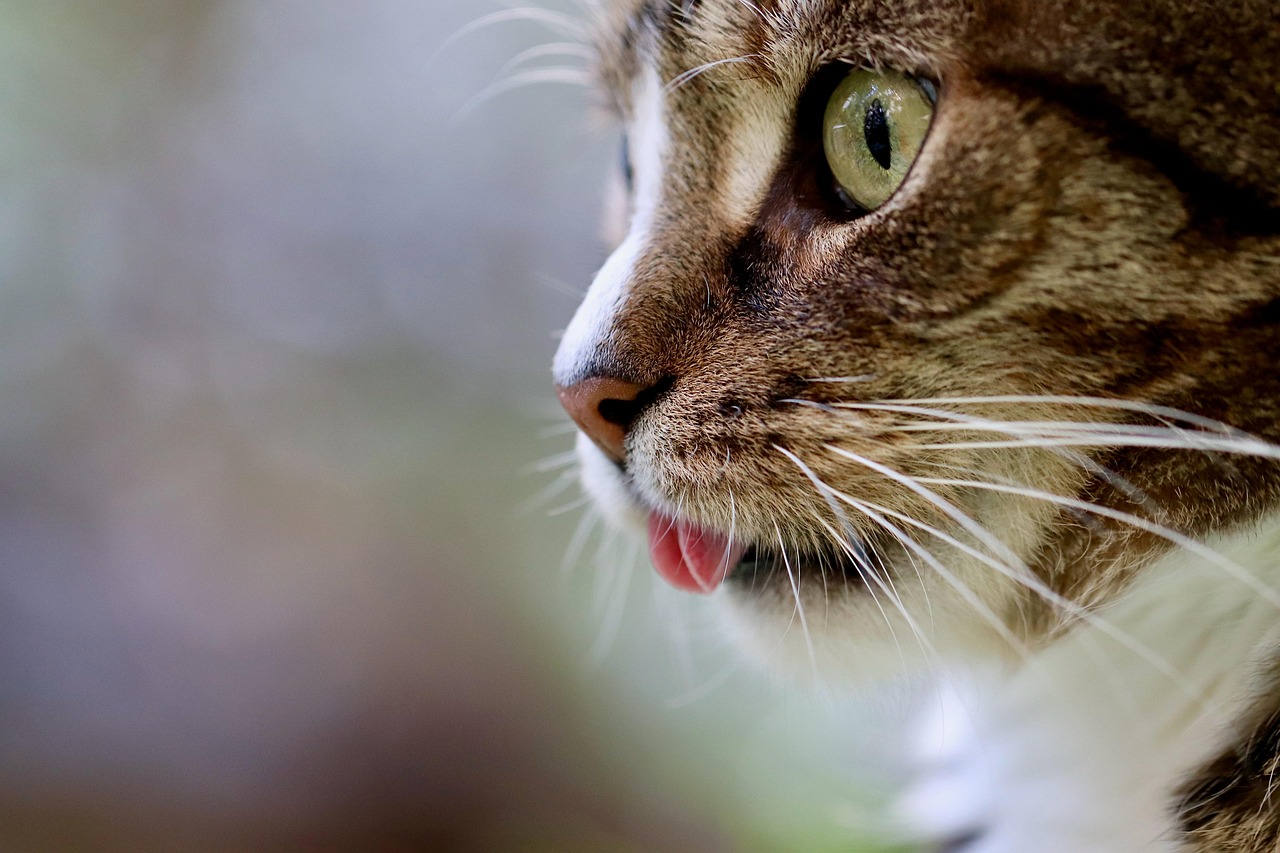

The Ultimate Cat Vaccination Guide: What Every Parent Should Know
As a cat parent, understanding vaccination is critical for your feline’s health. Vaccines protect against various diseases that can be life-threatening. It’s important to follow a vaccination schedule that suits both your cat’s lifestyle and the guidelines provided by your veterinarian. An initial vaccination series is generally given to kittens, starting from the age of six to eight weeks. These shots help prepare their immune systems for the world they will encounter after being weaned from their mothers. Ensuring timely vaccinations is essential to prevent the spread of contagious diseases, including feline distemper and rabies. Your vet will typically recommend specific vaccines based on your cat’s exposure risk and health condition. Regular veterinary checks will help determine if additional boosters are necessary, especially as your cat matures. The benefits of vaccination far outweigh any brief discomfort they may cause initially. Protect your pet and educate yourself on the importance of adhering to procedures for vaccinations. Regular check-ups help ensure the overall health and well-being of your beloved cat.
Types of Vaccines for Cats
Understanding the different types of vaccines available can empower you to make informed decisions as a cat parent. Feline vaccines fall into two main categories: core and non-core vaccines. Core vaccines are considered essential for all cats due to the high risk of exposure. These include vaccines against feline viral rhinotracheitis, calicivirus, and panleukopenia. Non-core vaccines are given based on specific circumstances like geographical location, lifestyle, and risk factors. For instance, the feline leukemia vaccine is crucial for cats that go outdoors and may encounter infected animals. As a loving pet owner, you need to assess your cat’s lifestyle when discussing vaccine types with your veterinarian. Regular vaccination not only protects your cat but also contributes to the overall health of the feline population. Ensure to keep vaccination records updated. This practice can be beneficial if you decide to board them or if health concerns arise. Thorough understanding of vaccination types will help safeguard your cat against potentially fatal diseases. The right vaccination decisions can lead to a healthier life for your feline friend.
Consulting with your veterinarian is crucial when planning your cat’s vaccination schedule and can help you identify your cat’s unique needs. Different breeds may have varying health concerns; therefore, a personalized vaccination strategy may be applied. Annual check-ups are important not only for vaccines but also for identifying any other health issues that could arise. During each visit, don’t hesitate to discuss any concerns regarding your cat’s behavior or health. Your vet can guide you on the vaccination protocol recommended for your specific circumstances. It’s essential to maintain a proactive approach to your pet’s health to ensure longevity. Side effects from vaccinations are usually minimal, but awareness is necessary. Common side effects may include minor swelling at the injection site or mild lethargy. If any unusual symptoms occur, such as difficulty breathing or vomiting, treat it as a health emergency. Quick intervention can be crucial. Keep a close eye on your cat post-vaccination. Ensuring your cat’s health includes understanding risks associated with ignoring vaccinations altogether and being proactive about their well-being.
Common Questions about Cat Vaccinations
As pet parents, you might have several questions regarding vaccinations for your cats. One of the most common queries is: How often should my cat be vaccinated? Kittens typically receive their first vaccinations at 6 to 8 weeks old, followed by boosters until they reach 16 weeks. Once adulthood is reached, many vaccines may be administered every one to three years depending on the vaccine type. Another common concern is whether vaccinations are worth the cost. Investing in regular vaccines is far worth it compared to potential treatment costs for diseases prevented by those vaccines. You also might wonder how vaccines could affect older cats since they may have existing health conditions. It’s important for senior cats to stay current on vaccinations, as their immune systems may be compromised. Always consult your vet regarding the right vaccination schedule considering age and health. Being prepared to answer these questions will ensure your cat receives proper care. Familiarizing yourself with potential health issues can lead to beneficial discussions with your veterinary professional.
A common misconception is that indoor cats don’t need vaccinations. While it’s true that they face less risk than outdoor cats, indoor cats are still susceptible to certain diseases, especially if they ever mingle with other animals. Additionally, human caregivers can unknowingly bring in parasites and diseases on their clothes and belongings, which can expose indoor cats to harmful pathogens. Therefore, it’s essential for all cats, regardless of their living environment, to stay fully vaccinated. Another point of confusion can be regarding the vaccination timeline; some pet parents may forget to keep track due to busy schedules. Using a dedicated calendar or app can help remind you and keep all records organized. This proactive measure ensures your feline’s ongoing protection by helping you adhere to the vaccination schedule. The emotional investment you make in caring for your cat’s health will bolster the bond between pets and owners. Staying informed about vaccinations shows your commitment. A well-vaccinated cat leads to fewer health issues and ensures happy, memorable moments together.
Final Thoughts on Cat Vaccination
Taking the right steps regarding your cat’s vaccination is crucial for their overall health and well-being. Being an active participant in your cat’s healthcare will lead to a long and healthy life. Understanding the vaccinations available, how often they should be administered, and potential side effects can empower you as a pet parent. No pet parent should overlook the benefits of vaccinations when weighing their decisions. The risks of unvaccinated cats are significant, not only for your feline friend but for other animals too. A responsible cat owner understands that vaccination is a tool contributing to the health of the broader community of pets. Regular check-ups and keeping open communication with your veterinarian can enhance your understanding of your cat’s health needs. Knowledge is key, and being well-prepared can prevent health problems before they arise. By following this vaccination guide, you can better advocate for your beloved cat’s health. Take these guidelines to heart, and foster a healthy lifestyle for your fur baby, who brings so much joy to your life.
In conclusion, the vaccination journey for your feline friend should be a priority as it safeguards their health. Keeping a pet is a commitment that involves ensuring they thrive in their environment. Thoroughly researching vaccination options is a responsible approach as a pet owner. Make sure to stay updated on new vaccine recommendations as guidelines change regularly. Engaging with other cat parents can offer insights into the importance of vaccinations through shared experiences and advice from fellow cat lovers is invaluable. Support from an online community can also serve to place emphasis on maintaining good health practices. By staying engaged, you also encourage others to prioritize vaccinations and contribute to the well-being of their pets. Gradually building a network of reliable information will result in informed decisions. Utilize this guide to navigate the essential world of cat vaccinations. Ensure that your cat receives everything they need to keep them protected and healthy. The love and care you invest in their health enrich not only their lives but yours as well.