
Common Myths About Dog Shedding Debunked
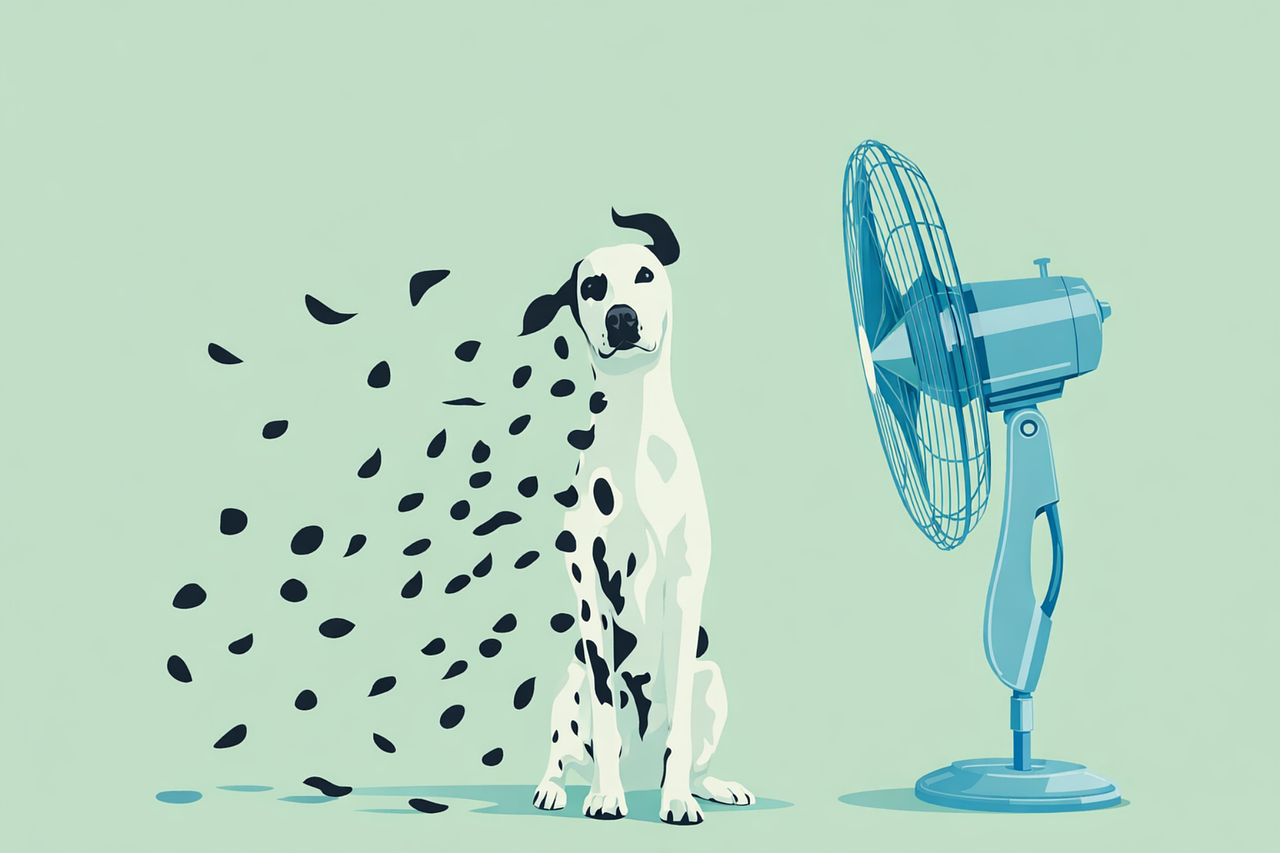
Dog shedding is a common concern for many pet owners, leading to numerous myths and misconceptions. One prevalent myth is that all dogs shed equally, regardless of breed. In reality, certain breeds do shed more than others. Breeds like the Labrador Retriever and Siberian Husky are notorious for their heavy shedding, while breeds such as Poodles and Bichon Frises are considered hypoallergenic due to minimal shedding. Understanding your dog’s breed is essential in managing expectations regarding shedding. A second myth suggests that shedding is solely determined by the seasons. Although many dogs experience seasonal shedding, the amount and frequency of shedding can also depend on factors like health, diet, and grooming practices. Regular grooming can significantly reduce loose hair around your house. Lastly, some believe that shedding indicates poor health in dogs. While excessive shedding can sometimes signal health issues like allergies or skin infections, regular shedding is a natural part of your dog’s life cycle. By debunking these common myths about dog shedding, owners can better care for their pets and maintain a cleaner home.
Another common misconception regarding dog shedding is that it only occurs during specific seasons and that indoor dogs do not shed. This is untrue, as indoor dogs can shed year-round due to climate-controlled environments. Factors influencing shedding may include diet, stress, and hormonal changes. Pet owners should be aware that indoor conditions can lead to increased shedding as temperature and humidity changes affect their dogs’ coats. Another aspect to consider is that pets naturally shed dead hair to make way for new growth. This natural process is vital for keeping a healthy coat and skin. It’s also vital to establish a regular grooming routine to minimize shedding around your home. Using the right grooming tools, like de-shedding brushes, can significantly help reduce loose fur. Additionally, maintaining a balanced diet that supports skin and coat health will promote a shiny, healthy appearance while minimizing excess shedding. Finally, make sure to provide your dog with proper hydration and regular veterinary check-ups to address any underlying health issues that may contribute to abnormal shedding.
The Importance of Regular Grooming
Regular grooming plays a critical role in managing dog shedding effectively. Many dog owners believe that grooming is unnecessary, especially for short-haired breeds. This belief is misleading and can lead to a buildup of loose hair around the house. Establishing a regular grooming schedule not only helps control shedding but also promotes a healthy coat and skin. Different breeds have varying grooming needs, which should be considered when developing a plan. For some long-haired breeds, daily brushing is essential, while others may require less frequent grooming. Regardless of hair length, all dogs benefit from the occasional bath to remove dirt and debris from their fur. Adding grooming sessions into your routine can be relaxing and beneficial for both dogs and owners. Moreover, grooming also allows for the detection of skin issues, lumps, or parasites early on, which may require veterinary attention. Pet owners can also help reduce shedding by using the right brushes intended for their dog’s coat type. By maintaining a regular grooming routine, dog owners can enjoy a cleaner home and a happier, healthier pet.
A myth frequently encountered among pet owners is the belief that all shedding is bad and that a shed-free dog is ideal. While it might sound appealing to have a pet that doesn’t shed, shedding is a natural process linked to a dog’s lifecycle. Dogs require a certain amount of shedding for various reasons, including maintaining skin health and regulating body temperature. Shedding also helps remove dead hair, making way for fresh, healthy growth. Additionally, some hypoallergenic breeds may be less prone to shedding, but they can still lose hair, albeit in smaller amounts. It’s essential for pet owners to understand that choosing a dog based on shedding alone can lead to disappointment, as no dog is entirely shed-free. Instead of seeking a non-shedding breed, owners should focus on their grooming routine and consider how willing they are to manage the cleaning associated with pet ownership. Investing time and effort into grooming can foster a more pleasant environment while embracing the joys of living with a dog that has natural shedding habits.
Understanding Allergies Related to Shedding
Many people assume that dog shedding is responsible for allergies, leading to the misconception that less shedding means fewer allergy issues. This oversimplifies a complex situation. Allergic reactions in humans are often related to proteins found in dog saliva, urine, and dander, not just the hair itself. It’s essential to educate pet owners on this truth to dispel the common belief that shedding directly causes allergies. Aside from grooming and bathing to manage shedding, it helps reduce allergens. Regular cleaning around the house, including vacuuming and washing pet bedding, is crucial in minimizing allergic triggers. For those with severe allergies, choosing a breed that produces less dander may help, such as Poodles or Basenjis. Pet owners should consider their own allergies and choose a dog that fits their lifestyle. Furthermore, consulting with an allergist familiar with pet-related issues can provide valuable insights on managing allergies effectively. Avoiding common myths surrounding dog shedding will aid allergy sufferers in making informed choices about potential companions.
One prevalent myth among dog owners is that grooming removes essential oils from the coat, leading to dryness and skin irritation. This misconception causes many to avoid regular grooming, which can be detrimental instead. In fact, regular brushing helps distribute natural oils throughout the coat, promoting healthy skin and fur. Grooming techniques become essential in achieving a clean and healthy shine for their dogs. Additionally, insufficient grooming can lead to matted fur, fostering skin issues that may require veterinary intervention. It’s important for dog owners to realize that maintaining your dog’s coat through proper grooming practices contributes greatly to its overall well-being. For more comprehensive care, consider learning from grooming professionals or taking a dog grooming class. Owners can gain invaluable skills to better care for their furry companions, ensuring that their dog remains healthy and happy. By demystifying grooming practices and understanding their importance, pet owners become more equipped to manage shedding while supporting their dog’s overall health.
Conclusion
In concluding this discussion on shedding myths, it’s clear that understanding dog shedding and the factors that influence it is crucial. Knowledge about breeds, grooming needs, and how to manage shedding can lead to a harmonious life with your dog. Effective care hinges on a thorough understanding of canine breeds and the natural shedding habits they exhibit. Regular grooming routines and proper skin care contribute to managing shedding, minimizing hair around the house effectively. Additionally, addressing allergies through a better understanding of dog dander and allergens fosters a healthier living environment for both pets and their owners. By debunking common misconceptions about dog shedding, we empower pet owners to embrace the joys of having a dog while preserving a cleaner home and healthier companion. Addressing these myths helps promote a better understanding of our pets and their needs, ultimately leading to a more satisfying dog ownership experience. In summary, stay informed, embrace grooming and maintenance routines, and don’t hesitate to seek professional advice for optimal dog care.
Lastly, dog owners should be aware that shedding patterns can change over time due to various factors, such as age or health status. Puppies often experience more significant shedding as they transition to their adult coats. In older dogs, changes in health can also influence shedding. Increased shedding or unusual bald patches may require veterinary attention, as they could signal underlying health issues. Regular check-ups and observations on your dog’s shedding pattern can provide useful insights regarding its health. Furthermore, adjusting grooming practices according to their current life stage and health needs ensures dogs receive appropriate care and attention. Reducing shedding is not solely a matter of eliminating hair; it involves understanding the entire lifecycle and health of your pet. Educating yourself as a dog owner empowers you to handle shedding effectively and compassionately. You will create a pleasant environment while fostering a strong bond with your furry friend. In conclusion, combating myths surrounding dog shedding leads to a happier, healthier dog and a more enjoyable pet ownership experience.