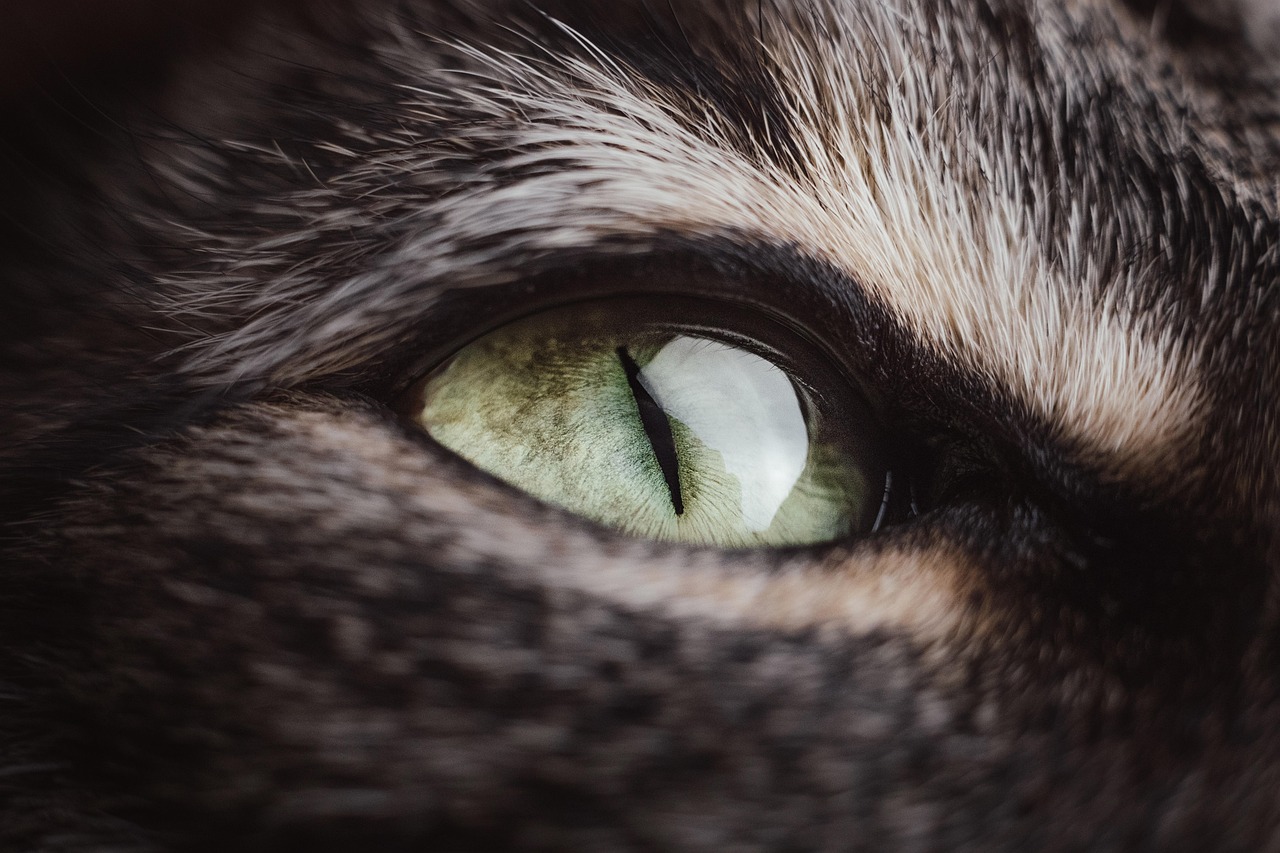

Feline Uveitis: Causes, Symptoms, and Treatment
Feline uveitis is an inflammatory condition affecting the uveal tract of a cat’s eye. This area comprises the iris, ciliary body, and choroid. Uveitis can be caused by various factors, including infections, trauma, or immune system disorders. Additional causes may involve systemic diseases like feline leukemia. Symptoms can vary but typically include redness, swelling, and sensitivity to light. Another indication is excessive tearing or discharge from the affected eye. In severe cases, a cat may squint or close their eye completely. If left untreated, uveitis can lead to more serious complications such as glaucoma or even blindness. Understanding these symptoms can help in seeking timely veterinary intervention. Owners often notice changes in their pet’s behavior, including agitation or reluctance to be handled. This can make it essential to monitor their eye health closely. Addressing feline uveitis also requires a careful diagnosis to differentiate it from other eye conditions, which could affect treatment. Regular veterinary visits can ensure that any emerging issues are promptly identified and effectively addressed.
Diagnosis of feline uveitis often begins with a comprehensive ophthalmic examination. This may include various tests to determine the underlying cause of the inflammation. A vet might perform a slit lamp examination to inspect the degree of inflammation present in the eye. Other diagnostic steps could involve blood tests, imaging modalities, or even ocular ultrasound in complex cases. Once a diagnosis is established, treatment options can be tailored accordingly. Treatment typically includes anti-inflammatory medications, sometimes corticosteroids, to reduce swelling and discomfort. Additionally, topical or oral medications may be prescribed depending on the severity of the condition. Despite treatment, some cats may face ongoing issues, as recurrent uveitis can occur. Therefore, it is crucial to follow up with your veterinarian regularly to monitor the condition. Emergency situations may arise if the cat develops elevated intraocular pressure or other complications due to untreated uveitis. Proactively seeking care can minimize risks and enhance the feline patient’s quality of life. Early intervention can prevent long-term adverse effects and foster successful outcomes.
Identifying Uveitis Symptoms in Cats
Many signs of feline uveitis can be subtle and may evolve gradually. Cat owners should remain vigilant and attentive to any changes in their pet’s behavior or health. Common symptoms of uveitis may include redness of the eye, cloudiness, and excessive blinking. Cats may also show signs of discomfort, such as hiding or avoiding bright lights. Over time, some cats may develop changes in appetite or activity levels, indicating they may be experiencing pain. It’s essential for pet owners to be proactive when they notice these symptoms. Prompt veterinary attention can be invaluable, as early detection can facilitate better treatment outcomes. Visual changes can sometimes go unnoticed until they become severe, highlighting the need for regular eye examinations. Pedigreed cats may be more prone to certain eye conditions, including uveitis, making them require thorough examinations. Maintaining an open line of communication with your veterinarian is fundamental. Ask questions, express concerns, and share any observed changes. Each feline’s situation can be unique, and your vet can tailor advice to effectively manage your cat’s eye health.
In light of a uveitis diagnosis, treatment plans may be diverse, as each case requires individualized care. The primary goal of treatment is to alleviate inflammation while addressing any underlying issues. In many instances, anti-inflammatory medications, both topical and systemic, can prove effective. These may be complemented by medications to control intraocular pressure if necessary. If an infectious cause is identified, antibiotic or antiviral therapy may also be required. In more complex cases, referral to a veterinary ophthalmologist may be warranted to explore advanced treatment options. Additionally, supportive care is critical during recovery. Ensuring that a cat remains comfortable and free from stress can contribute positively to its healing process. Moreover, maintaining hydration and proper nutrition is vital, as these factors can influence overall well-being. Regular follow-up appointments will be instrumental in ensuring the treatment is working as intended. Adjustments may need to be made based on the feline’s response to therapy. Monitoring and ongoing assessments are crucial components in navigating through a feline’s uveitis journey.
Long-Term Outlook for Cats with Uveitis
The long-term outlook for cats diagnosed with uveitis can vary significantly based on several factors. Early detection and prompt treatment play critical roles in determining outcomes. While some cats may fully recover from uveitis, others may encounter recurring episodes or develop chronic conditions. Therefore, owners should remain vigilant throughout their cat’s recovery and beyond. Regular veterinary check-ups can help in identifying any changes early on. Owners are often urged to monitor for new symptoms even after treatment has concluded. Additionally, keeping a consistent schedule for follow-ups is essential, particularly for cats that display any predisposing factors. If uveitis is secondary to a systemic disease, managing that underlying condition is pivotal. Lifelong management may be necessary in such cases. Moreover, some cats may experience vision changes following episodes of uveitis, leading to adjustments in their living environment. Ensuring that homes are safe and navigable can significantly improve the quality of life for affected cats. Engaging your feline companion through interactive play may also reduce stress and enhance their well-being.
In summary, feline uveitis is a serious eye condition requiring close monitoring and timely intervention. Recognizing its causes and symptoms can significantly impact treatment outcomes. Pet owners are encouraged to become informed advocates for their cats, seeking veterinary advice at the first sign of eye issues. Awareness of the potential consequences of untreated uveitis can motivate quick action. Additionally, establishing a strong relationship with a veterinarian can ensure regular assessments and personalized care throughout your cat’s life. Using preventative measures, like keeping up with vaccinations and regular health checks, can contribute to a feline’s eye health. Always remain proactive and knowledgeable regarding your cat’s health needs to reduce potential risks. By fostering a healthy environment and lifestyle, owners can support their cats in maintaining optimal ocular health. Other factors, such as diet and stress levels, also play important roles in overall health. Being attentive to your feline’s needs, especially regarding eye care, can make all the difference. Take the time to provide adequate education on feline uveitis for better understanding in the future.
The Importance of Early Detection and Treatment
Ultimately, awareness of feline uveitis is key to its management and treatment. Early detection is vital for improving the prognosis and preventing complications that can arise from this condition. Engaging regularly with your veterinarian can help in keeping abreast of potential issues. Education on the symptoms to remain vigilant for is imperative in safeguarding your cat’s health. By being proactive in your cat’s health care, you can help mitigate long-term consequences and promote a healing atmosphere. Additionally, encouragement and positive reinforcement play important roles during recovery. Providing a calm space is beneficial, as stressed cats may have more difficulty recovering. Strategies to minimize distress can include creating a quiet area for them to rest and recuperate. Focusing on their diet and hydration can also enhance their recovery process while promoting overall well-being. Long-term eye health is deeply connected to general health, and taking a comprehensive approach fosters better outcomes. Consulting with a veterinarian on how to support eye health can be invaluable. Maintaining open communication with your vet is beneficial for managing ongoing care. Together, you can navigate the complexities of feline uveitis.
In conclusion, feline uveitis is a significant health issue that warrants immediate attention. Feline ocular health should be a priority for all cat owners, as prolonged inflammation can lead to severe consequences. Adding regular eye checks as part of a cat’s healthcare routine can foster early detection of potential problems. Additionally, educating yourself on eye conditions specific to cats can empower owners to take charge of their pet’s health. Timely interventions, after an acute diagnosis of uveitis, can lead to promising outcomes. Ensuring a supportive environment during recovery may not only help the cat heal but can also strengthen the bond between pet and owner. The shared experiences and dedicated care that entails resolving health concerns can enhance a feline’s quality of life. Maintaining a spirit of vigilance can contribute significantly to your cat’s well-being, making it vital to stay informed on the latest in veterinary care. All cat owners should be proactive in observing changes and seeking readily available resources. With a focus on education and compassion, the journey through uveitis can become more manageable for both cats and their humans.