
Understanding Breed Standards for Show Dogs
Show dogs are evaluated based on specific breed standards that outline the ideal physical and behavioral traits expected of each breed. These standards are established by kennel clubs and breed organizations and serve as guidelines for breeders, judges, and dog owners. Adhering to these standards ensures that the breed maintains its distinct qualities while also promoting the health and well-being of the dogs. A well-bred show dog should exemplify the characteristics detailed in the breed standard, allowing judges to assess them fairly during competitions. In addition, the breed standards help prospective owners select suitable dogs that fit their lifestyle. Understanding these standards is essential for anyone involved in breeds as a show dog, whether they are breeders, handlers, or aspiring owners. Key factors outlined in these standards include size, coat type, color, temperamental traits, and movement. This comprehensive understanding helps ensure that the dogs not only look impressive but also behave appropriately in the show ring. Without a clear understanding, it becomes difficult to maintain the quality and integrity of distinct breeds, making education critical in this specialized field.
The importance of breed standards in the dog show circuit cannot be overstated. Judges rely heavily on these standards to determine how closely each dog matches the ideal, which has a direct impact on their placement in competitions. For breeders, understanding the nuances of breed standards helps them make informed decisions when pairing dogs for breeding. It guides them in selecting the best mating prospects to produce offspring that are true representations of the breed. Moreover, staying informed about changes and trends in breed standards can lead to discussions within the breeding community about health and genetic diversity. This ensures that breeding practices not only focus on aesthetics but also consider the health implications of physical traits. The broader dog community benefits immensely from the continued education regarding breed standards, ensuring that all involved—be it for companionship or competitive purposes—are well-informed. Furthermore, the guidelines help prevent the proliferation of health issues that can arise from poor breeding practices, creating healthier long-term populations of show dogs. Therefore, it is essential for all stakeholders in the dog show world to familiarize themselves with and respect these vital standards.
Key Components of Breed Standards
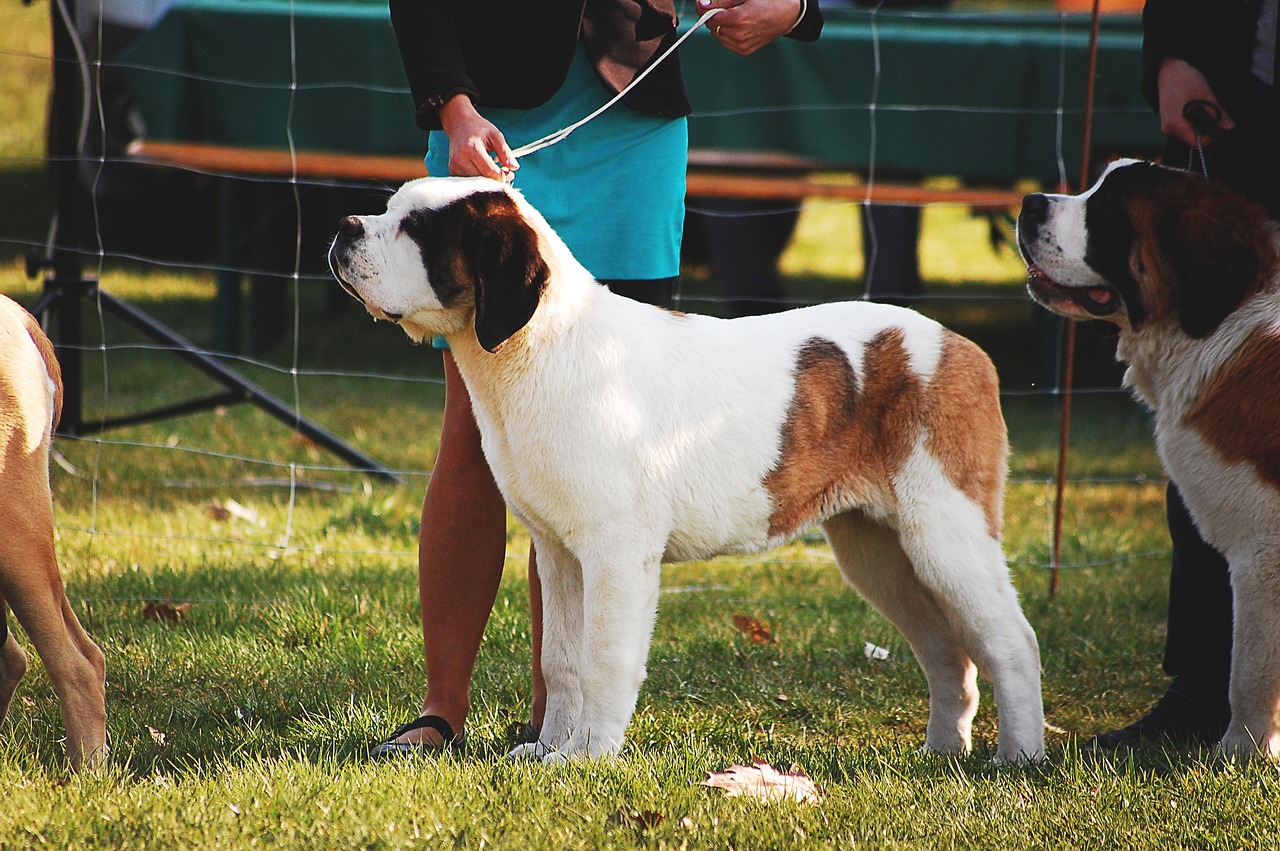
Understanding breed standards requires knowledge of their key components: conformation, movement, and temperament. Conformation refers to the physical build and appearance, defined by specific dimensions and proportions that create the breed’s outline. Each breed has a unique ideal shape, which should be adhered to ensure they function properly. Movement, on the other hand, evaluates how a dog moves and should convey power and efficiency. Specific gait types are preferred, which can vary greatly among breed types. Lastly, temperament covers behavioral traits expected of a breed, with particular emphasis on stability, friendliness, and protective instincts. For example, some breeds are expected to be sociable and outgoing, while others may exhibit more reserved traits. These guidelines are vital for judges to ensure fair evaluations and for breeders to improve their lines over time. The better the understanding of these components, the more likely individuals will find success within the show ring. By ensuring adherence to established guidelines, the overall experience for dogs and their handlers can produce respectful and formidable entries during exhibitions.
When it comes to selecting a show dog, it’s crucial to consider breed standards to find a dog that fits your lifestyle and needs. For instance, some breeds might be excellent family pets, while others may require more specialized care and training. Those planning to participate in dog shows should thoroughly research the breed standards to ensure they can provide the appropriate environment and training necessary for the dog to thrive in competitions. This means understanding the unique characteristics of the breed, whether they are activity levels, grooming requirements, or health concerns. It is advisable to consult with seasoned breeders and trainers who can offer insights into what it takes to compete successfully. By engaging with these knowledgeable professionals, new handlers can align expectations while learning about the demands involved in training and showing a dog. Being informed, prepared, and committed to the process can lead to both an enriching personal experience and a successful show dog journey. Ultimately, choosing a dog that aligns with your lifestyle will contribute to a favorable outcome in the competitive dog show world.
Training Techniques for Show Dogs
Training show dogs effectively is crucial to achieving high performance in the competitive scene. A comprehensive training program focuses on obedience, socialization, and familiarization with the show environment. Obedience training is the foundation, ensuring dogs respond excellently to commands which are essential for presenting themselves in the show ring. Socialization is equally important to expose dogs to various environments, sounds, and people, allowing them to be calm and confident in diverse situations. Familiarization with the show environment helps dogs understand what to expect during competitions, which can significantly reduce anxiety levels. Ideally, owners should start training at a young age, as puppies are generally more receptive to learning and can develop good habits over time. Consistency, patience, and positive reinforcement are vital training principles, which encourage the dog to engage and learn willingly. Transitioning from basic training to advanced show preparation includes practice running through established routines and understanding breed-specific presentation styles. Engaging trained professionals can also be beneficial to achieve exceptional outcomes in training goals while ensuring dogs remain motivated and enthusiastic throughout the process.
In conclusion, understanding breed standards for show dogs is essential for successful participation in dog shows. These standards play a pivotal role in judging, breeding practices, and owner expectations. By educating themselves about the intricacies of breed standards, dog owners can better appreciate their breed’s uniqueness and work towards improving their lineage. This knowledge also encourages responsible breeding practices that prioritize health alongside conformation. Moreover, as trends in show dog breeding evolve, remaining flexible and informed can yield positive changes in the breed. Those engaging in the show circuit should actively participate in discussions surrounding breed standards to advocate for change and enhance the well-being of dogs. Ultimately, a firm grasp of breed standards not only impacts individual competition success but also contributes to the broader dog community. Encouraging responsible ownership and breeding practices reinforces the importance of breed preservation while minimizing the adverse effects of dog shows. By promoting a culture of knowledge and advocacy, we can ensure show dogs continue to thrive and represent their breeds effectively for generations to come.
Furthermore, embracing innovations within the dog breeding and show circuit can lead to improved outcomes for both dogs and owners. Many organizations now harness technology for better record-keeping, training programs, and effective communication. The digital age allows for wider sharing of knowledge regarding breed standards, helping novices learn from experienced breeders and judges. Educational seminars, webinars, and online communities provide a wealth of resources. These platforms encourage collaborative discussions regarding breeding ethics, health practices, and emerging trends. Utilizing these resources can help aspiring show dog owners and breeders remain competitive and knowledgeable. Engaging with more experienced individuals in the community often brings a depth of understanding that goes beyond standard information. Networking at dog shows can also open doors for mentorship opportunities, leading to richer experiences in the industry. As people collaborate and share their experiences, the collective growth fosters a sense of community appreciation for show dogs’ importance. Therefore, utilizing technology and embracing collaboration can greatly enrich the show dog breeding experience while upholding breed standards that contribute to responsible ownership and care.
The Future of Show Dog Breeding
Looking ahead, the future of show dog breeding will require adaptation and a strong commitment to maintaining the standard. As discussed, adapting to modern expectations demands a broader perspective that encompasses genetic health, sustainability, and ethical breeding practices. There is increasing advocacy surrounding the health concerns associated with specific breeds due to inappropriate breeding practices that may lead to health issues. Addressing these pressing concerns will necessitate a collective effort from breeders, owners, and organizations alike. Therefore, promoting awareness about ethical breeding practices will be essential for the sustainability of all show breeds, ensuring we make well-informed decisions. As we move forward, it’s crucial to balance standards with the evolving knowledge of health and genetics and breed performance expectations. Collaboration among breed clubs, veterinarians, and researchers will yield healthier dog populations that remain competitive within the show circuit. Ultimately, this alignment can help preserve breed integrity while adapting to the future needs of dogs and their owners. By fostering a culture of responsible ownership, we can inspire the next generation of breeders and handlers to champion breed standards that promote health, preservation, and ethics.