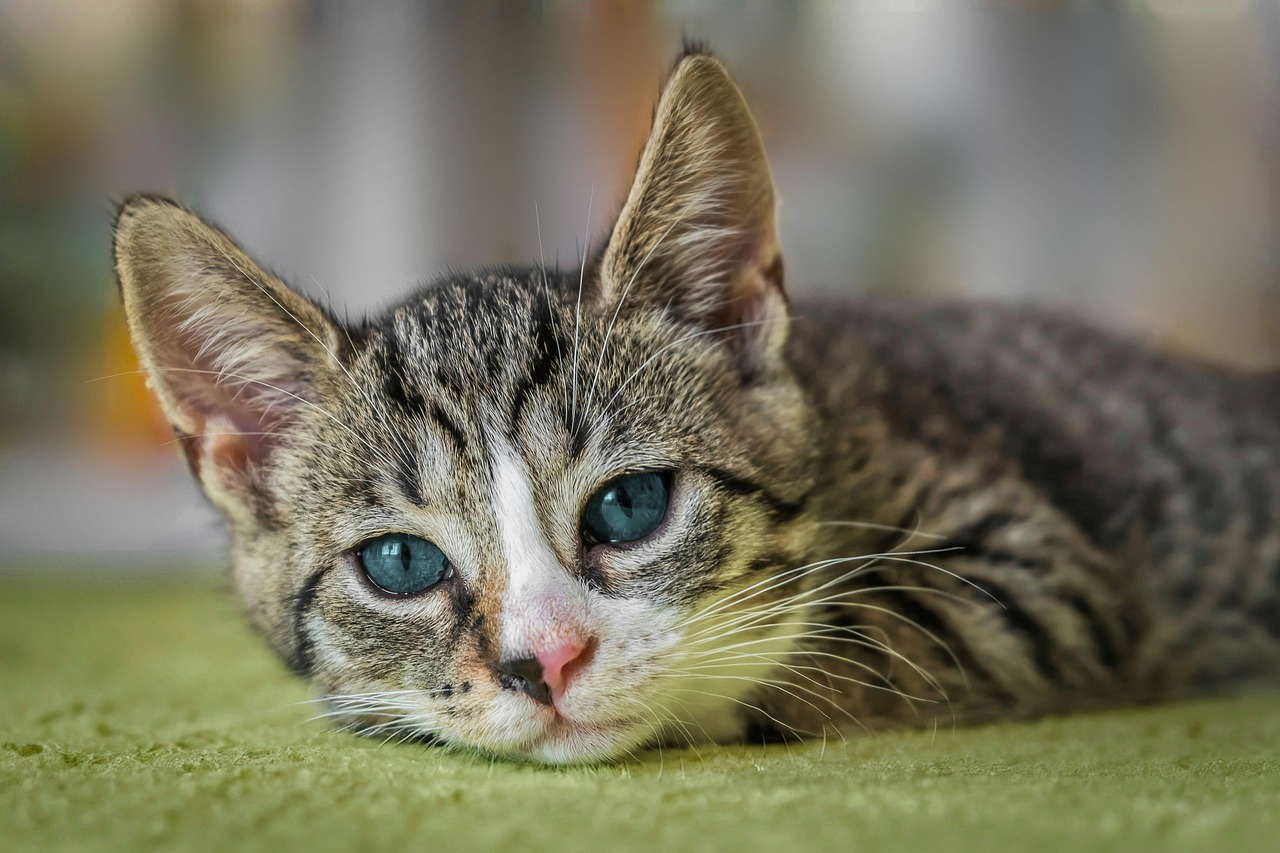

Using Cat Body Language to Improve Travel Experience
Understanding your feline friend’s body language during travel can significantly enhance the experience for both of you. Cats communicate their feelings and needs through their body posture, tail position, ear orientation, and vocalizations. For instance, when a cat’s tail is held high, it indicates happiness and confidence. Conversely, a low-hanging tail signifies anxiety or fear. Being attentive to these cues allows ensure effective communication with your pet. During trips, pay attention to their whiskers. Forward-facing whiskers suggest curiosity or excitement about their surroundings. If the whiskers are pulled back against the face, your cat is likely feeling threatened or unsure. Observe the ears, too; pointed ears show alertness, while flattened ears indicate aggression or discomfort. Knowing these signs is key in preventing stressful situations. Settle your cat in a familiar carrier that feels secure during travels. Bring along their favorite blanket or toy for comfort. Moreover, remain calm and speak softly to reassure your pet in unfamiliar environments. Their body language will guide you; adjust how you handle them based on their comfort levels for a happier journey.
Traveling with a cat means understanding their needs and providing a safe environment. Always ensure the carrier is secure, ventilated, and spacious enough for your furry friend. Cats can feel claustrophobic, which might lead to stress and anxiety. Hence, consider placing the carrier in a familiar part of your car or home where they feel secure. Furthermore, regularly stopping during long trips allows them to stretch and relieve themselves. This helps maintain their comfort. Always check the humidity and temperature of your vehicle, as extreme conditions can be hazardous for your cat. Hydration is crucial; provide water at regular intervals, especially during warm weather. If you notice signs of distress like excessive meowing or hiding, take a break. Scents are significant for cats; familiar smells can help them feel at ease. Consider keeping their favorite toys or blankets close at hand. In addition, keeping relevant identification on your cat, such as a collar tag or microchip, provides reassurance in case they escape. Cats are curious animals, so providing an enriching environment during travel can minimize anxiety and foster a smoother process for both of you. Observing their body language enhances the travel experience.
It’s important to recognize that every cat has a distinct personality, which can affect how they react during travels. Some cats are naturally adventurous and eager to explore new spaces, while others are quite the opposite, preferring their home comforts. Understanding these differences will help you choose the right approach for traveling. For example, a confident cat may enjoy exploring new surroundings on a leash, while a timid cat might feel safer staying in their carrier. It’s essential to take cue from their body language; a relaxed cat will exhibit a calm demeanor, while a tense cat will show signs of distress, such as hiding or excessive grooming. Be sure not to push them into uncomfortable situations; remember that patience and gradual exposure to new environments work wonders. Introduce new locations slowly, allowing your cat to explore at their own pace. Always reward them with treats or positive reinforcement to build trust. Creating a positive association with travel will influence how they feel about future experiences. This preparation makes travel smoother for both of you, leading to an enriching experience filled with adventure and exploration.
Benefits of Reading Cat Body Language
Being able to interpret your cat’s body language can enhance your travel experience profoundly. Understanding these signals empowers you to meet your cat’s emotional and physical needs effectively. When traveling, stress can arise from changes in surroundings; thus, reading body cues becomes essential. For example, if your cat is crouching low or hiding, they may be feeling vulnerable. In contrast, a confident cat will stand tall, showcasing open paws and a relaxed tail. By paying attention to how your cat communicates, you can take proactive steps to alleviate anxiety during the trip. You could adjust their environment by dimming lights or playing soothing music for comfort. Furthermore, understanding when your cat feels settled is critical. A cat that is kneading its paws and purring can be seen as calm and comfortable. Conversely, visible signs of trouble, such as hissing or swatting, should never be ignored. These negative signals can provide insight into your cat’s emotional state during travel. Providing breaks for exploration and familiarizing your cat with new locations can create a pleasant travel journey, which will enhance bonding as well.
Preparing your cat before travel means observing how they respond in previous journeys. Use past experiences as a guide to facilitate smoother transitions. If your cat has displayed nervous behavior previously, ensure that you implement additional comfort measures this time. For instance, consider using pheromone sprays or collars that can promote calmness and reduce anxiety levels. Introducing travel gradually at home can also break the ice; allow your cat to explore their carrier freely in familiar surroundings. Create positive experiences by rewarding your cat with treats as they show interest in the carrier. This helps them associate travel positively. Familiarization can extend beyond mere carrier use. Adjusting to your car rides beforehand allows your pet to adapt more successfully to upcoming journeys. Monitor their reactions during practice runs to identify possible stress factors, ensuring you make adjustments promptly. Redirect any anxious behavior by offering distraction through interactive toys or treats that stimulate through travel. Previous bad experiences in vehicles may haunt them, but understanding their body language during travel can lead to more manageable trips that are beneficial for both of you.
During any travel adventure, continuity is vital for ensuring your cat feels secure. Having consistent routines, even during changes, can ease their anxiety. For example, cats are creatures of habit; maintaining feeding times and play sessions, even when on the go, can help keep their mind on structure. If you typically feed your cat at noon, try to maintain the feeding schedule as closely as possible during trips. Plan routes that allow for regular stops, permitting you to build small breaks into the routine. Allowing your pet to stretch, sniff around, and hydrate is essential for an enjoyable experience. Keep items that associate with comfort on hand, such as their favorite blanket or bed to provide a familiar scent and feel during travels. Moreover, approach conversations about upcoming trips with positivity. Speak gently and reward their calm behavior with pets or treats. Comfort them if they seem uncertain about the changes ahead. Purring cats are relaxed cats, so motivating your furry friend to express comfort and enjoyment indicates that the journey is progressing positively. By focusing on body language, you promote ease during travel, which will create a lasting and enjoyable experience.
Conclusion
Using cat body language to guide your travels and understanding your cat’s preferences is essential in ensuring a pleasant experience. Attention to nonverbal signals can facilitate communication that makes travel more enjoyable and stress-free. Traveling can open your feline’s world to new experiences, friendships, and environments. However, underlying anxiety can complicate these adventures. Being observant and responsive to their unique needs proves beneficial. Over time, your cat will recognize cues offering reassurance and connection. The joy of traveling with your cat becomes more profound when their signals guide your choices. Hence, prioritize their comfort through understanding and observing body language cues, adapting the environment to suit their preferences. Embrace your cat’s personality and engage in constructive practices that facilitate enjoyable experiences. Knowing when to intervene, and providing reassurances can cultivate a rewarding rapport between you and your pet. Traveling together fosters lifelong memories; thus, recognize, adapt, and appreciate your furry friend’s needs. Doing so will transform your travels into magical bonding adventures. With the right practices and awareness, every trip can become an unforgettable journey filled with love and fun.
Each and every travel adventure is marked by the unique experiences shared with your beloved cat. Learning to read their body language and cues will give both of you the chance to thrive during travels, reinforcing trust between you and ensuring minimal stress. After all, regardless of where you are headed, it’s essential to focus on creating positive memories together, strengthening your bond. Understanding how your cat feels will empower decisions that resonate comfortably with their instincts, allowing for enjoyable exploration and adventures. Your cat trusts you to make travel pleasant, and as responsible pet owners, it’s upon us to ensure that they feel secure. Regardless of how long or short the trip is, equipping ourselves with knowledgeable, innovative approaches to improve the overall travel experience provides mutual joy. Combining your effort, attention, and care during travels balances between exploration ambition and fulfilling your cat’s needs. Remember to practice patience and allow time for adjustments, as every cat acclimatizes differently. Maintain excitement for the journey; ultimately, your cat’s body language will tell you if they are ready for adventure. Positive reinforcement makes each travel experience remarkable, ensuring memorable times ahead.