
Target Sticks vs Other Cat Training Tools: Pros and Cons
When exploring various tools for training your cat, it’s essential to weigh the benefits and drawbacks extensively. Target sticks have gained popularity due to their efficacy in guiding a cat’s behavior. They can be used to teach your feline friend a range of tricks, from simple commands to advanced maneuvers. Target sticks engage a cat’s curiosity and promote active participation. They consist of a stick with a distinctive target at the end, making it easy for the cat to focus. However, not all cats may respond positively to such methods. Some felines might be intimidated, requiring patience. Also, other tools like clickers or treats provide immediate feedback that target sticks cannot compete with directly. Ultimately, the preference will depend on the cat’s personality and the owner’s training style. It’s worth experimenting with target sticks alongside other tools. Make sure to observe your cat’s reactions closely to adapt the training process adequately. Finding the right combination of tools can lead to success in creating a well-trained feline companion that responds and follows commands effectively.
Target sticks are versatile tools suitable for various training purposes. They allow for precision training by directing your cat towards specific behaviors. When considering target sticks, it’s important to note the advantages they offer. The visual target can lure a cat into desired actions, making it an interactive experience. Cats are naturally curious; therefore, the process becomes engaging. In contrast with traditional methods which may rely heavily on verbal commands, target sticks encourage action through visual cues. However, the challenge arises if your cat lacks interest or focus. In these cases, supplementing target sticks with enticing treats or affection can motivate your pet to cooperate. It’s also crucial to create a training environment free from distractions. Cleanliness and comfort in the location can significantly impact your cat’s focus. On the other hand, training tools like clickers provide immediate positive reinforcement, establishing a firmer connection between behavior and reward. Each approach has its merits. Ultimately, success depends on the unique dynamics between you and your cat, coupled with consistent training.
Comparison of Training Tools
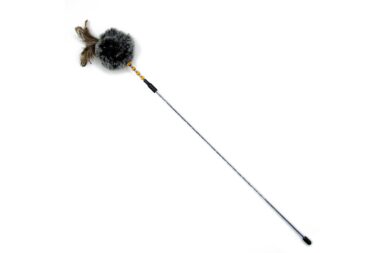
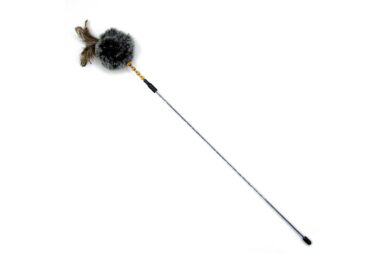
When comparing target sticks with other training equipment, several factors come into play. Clickers, for instance, offer a different mechanism for encouraging obedience. They emit a distinct sound that signifies a reward is coming, establishing a clear cause-and-effect relationship for your cat. This auditory signal can sometimes be more motivating than visual cues. Additionally, toys like feather wands can enhance playtime while also reinforcing good behavior as you train. They allow cats to use their natural hunting instincts during sessions, blending learning with fun. Conversely, target sticks rely solely on visual prompts, which might not be effective for every cat. Some might find target sticks boring or fail to recognize their purpose during training. That said, combining methods effectively can lead to better outcomes. For instance, introduce a target stick to a cat that has already mastered basic commands with a clicker. You may find that this dual approach enhances their learning experience. Recognizing the strengths of each tool helps you build an effective training strategy tailored to your cat’s unique personality.
Another major aspect to consider when choosing training tools is longevity and flexibility. Target sticks are typically durable and can be easily adjusted in length, which makes them suitable for various training scenarios. Their simple design is conducive to portability, allowing for training indoors, outdoors, or during travels. For trainers who prefer simplicity and efficiency, target sticks deliver. However, this doesn’t imply they are the only effective option. On the contrary, other tools may also offer unique advantages worth exploring. For example, clickers are affordable, easily accessible, and compact enough for you to carry everywhere. However, they require a good amount of synchronization between click and reward, which some may find challenging to master initially. Similarly, treat dispensers offer a hands-free way to reward your cat, allowing it to explore new behaviors independently. While target sticks can be incorporated into broader training strategies, ensuring they fit your pace and style is crucial. No single tool is a catch-all solution; exploration enhances your experience and results with your cat. Combining elements from multiple training aids tends to yield better results.
Understanding Your Cat’s Behavior
Moreover, familiarity with your cat’s unique behavioral patterns plays a crucial role in successful training. Target sticks can be excellent for fostering active engagement when used alongside a solid understanding of a cat’s reactions. Each feline possesses distinctive traits; some may thrive under verbal direction supplemented by target pointers, while others prefer a quiet and more relaxed training atmosphere. Observing how your cat interacts with a target stick can inform your adjustment strategies. If your cat seems hesitant or uninterested, it may be wise to pair the target stick with favorite toys or treats. Thus, effectively using a target stick goes beyond merely having the tool; it involves understanding what your cat enjoys. Additionally, patience during the learning curve is necessary. Avoid rushing sessions, giving your cat ample time to associate the target stick with positive outcomes. Celebrating small victories builds self-confidence in your cat. Remember that each feline’s pace of learning varies significantly. Your insights into their personality can provide key tactics for implementing training successfully. These adaptations can create a palpable bond between you and your feline friend, essential for successful cat training.
Cats generally exhibit reactions based on previous experiences with specific objects during training. If your cat has had negative encounters with similar tools, you could observe anxiety or avoidance. In such cases, desensitization techniques may be beneficial. Start with minimal exposure by allowing your cat to simply sniff the target stick without any pressure to perform. Gradually introduce it into training sessions only after you notice signs of comfort. Also, consider employing other methods to reinforce positive behavior. Toys, scratching posts, and even puzzle feeders can help diversify the environment and keep your cat engaged. A proactive approach remains crucial while training. Using multiple methods gives your cat adaptive skills to foster independence while still observing commands. As you explore the plethora of training tools available in the market, recognizing what resonates best with your feline is vital for your success. Building trust forms the foundation of effective training sessions. A relaxed and inviting atmosphere leads to enhanced focus and interest in training, ultimately making the experience enjoyable for both you and your cat.
Final Thoughts on Training Tools
In conclusion, the decision to incorporate target sticks into your cat training toolbox should consider various factors. Each cat possesses a unique personality characterized by traits that shape their interactions with training tools. Thus, while target sticks may provide an effective training modality, other tools such as clickers, toys, and treats can complement their use. It’s about finding an effective combination that works best for you and your pet. A successful training journey is dependent on assessing your cat’s reactions and adapting your methods accordingly. The significance of positive reinforcement can’t be overlooked. Whether you opt for target sticks or other equipment, being consistent is critical. Ensure that each session remains enjoyable and stress-free, allowing your cat to associate learning with positive outcomes. As you embark on your training adventure with your feline companion, remember patience is key. Building trust between you and your cat enhances cooperation and accelerates the learning experience. Ultimately, the goal of training is to enrich both your lives, ensuring your relationship grows stronger through shared activities and mutual understanding.