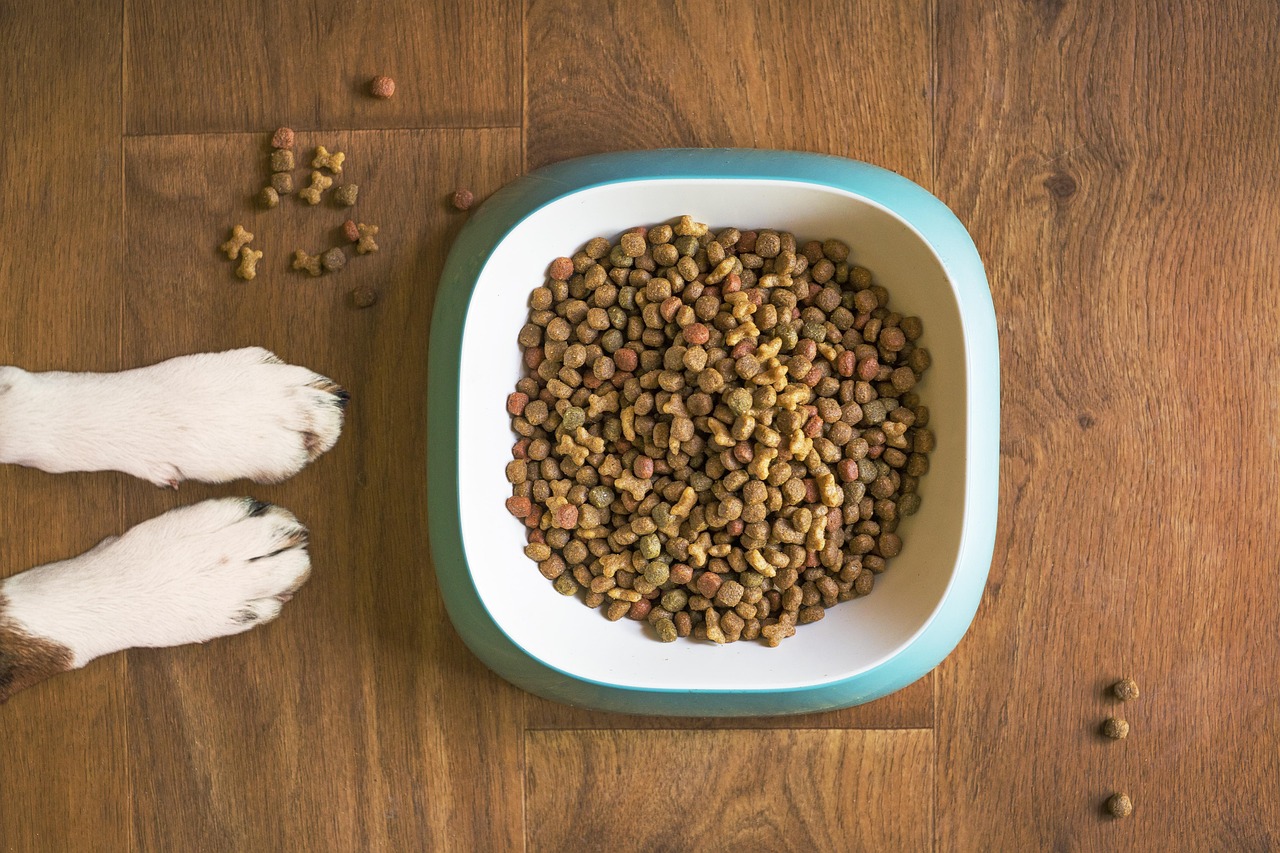

Convenience vs. Customization: Feeding Your Dog at Home or Store-bought?
Choosing between home-cooked meals and commercial dog food can be challenging for pet owners seeking the best nutrition for their furry friends. **Commercial dog foods** offer convenience and are formulated to meet the nutritional needs of dogs, while **home-cooked meals** provide an opportunity for customization. Dogs, like humans, have various dietary requirements, and what works for one dog might not suit another. Convenience-oriented owners may prefer pre-packaged foods, which save time and effort, while those who are passionate about their pet’s diets might opt for fresh, home-cooked options. However, it’s essential to consider factors such as your dog’s age, weight, health conditions, and food preferences when making a choice. Healthy dogs might thrive on either option, but dogs with specific health issues, such as allergies or obesity, may benefit more from tailored home meals. Understanding the pros and cons of both approaches will enable you to make a well-informed decision that promotes your dog’s health and happiness.
Commercial dog foods come in various formulations and are scientifically balanced to ensure that your dog gets all essential nutrients. They can be conveniently purchased at any grocery store or pet shop, providing a quick solution for busy pet owners. Store-bought foods are often fortified with vitamins and minerals, which can support overall canine health. However, concerns surrounding ingredient quality, processing methods, and the potential presence of harmful additives often arise. Owners must spend time reading labels and researching brands to ensure they are providing a safe and nutritious product. On the flip side, it eliminates the need for meal planning or cooking, making it easier for those with hectic lifestyles. While convenience plays a significant role, it is worth remembering that not all commercial foods are equal. Premium options might be pricier, but they often use better quality ingredients that could ultimately be worth the investment for your dog’s well-being.
The Benefits of Home-Cooked Dog Meals
One of the most significant advantages of preparing homemade meals for your dog is that you can control the ingredients used. By carefully selecting meats, vegetables, and carbohydrates, you can ensure their meals are fresh and devoid of preservatives, fillers, and artificial flavors. Additionally, cooking at home allows you to tailor the recipes to your dog’s specific health requirements and food preferences. Dogs with allergies can benefit from customized diets that exclude irritants, while picky eaters might enjoy trying various flavors and textures. Moreover, many owners believe that homemade meals provide a sense of variety that dogs find appealing. A routine of rotating ingredients can help avoid boredom and keep your pet excited about mealtime. However, preparing meals requires research to achieve a nutritionally balanced diet. To ensure healthy choices, consult with your veterinarian or a pet nutritionist when planning home-cooked meals. This professional guidance will help you establish safe and healthy recipes that meet all your dog’s needs.
Despite the various benefits associated with home-cooked meals, some challenges can accompany this choice. Preparing fresh dog food often requires significant time and effort. Owners must dedicate time to meal planning, shopping for ingredients, and cooking, which can be overwhelming, especially for those with busy schedules. Additionally, achieving balanced nutrition is more complex with homemade meals. Dogs have specific nutritional needs that must be met to maintain health and well-being. Without proper guidance, it is easy to overlook essential nutrients or create imbalanced meals. You may also need certain kitchen tools for meal preparation, which adds more complexity to the process. Moreover, while home-cooked foods can be appealing for your pet, they may not be a practical long-term solution for every owner. Ultimately, consider your lifestyle and ability to commit time for meal preparation when weighing this option alongside commercial dog food.
Understanding Dietary Needs
When comparing home-cooked diets and commercial pet foods, understanding the unique dietary needs of your dog is paramount. Factors such as age, breed, weight, and health condition influence an individual dog’s requirements. Puppies typically necessitate more energy and nutrients compared to adult dogs, while senior dogs may require fewer calories and easier-to-digest meals. Additionally, health conditions like food allergies, diabetes, or kidney disease can further dictate dietary choices. While commercial foods are designed to address these varying needs, they can still lack individualization. On the other hand, home-cooked meals allow you to adjust ingredients according to your dog’s health status and preferences. For example, if your dog requires a low-protein diet, you can easily alter the ingredients in home-cooked meals. Understanding these needs will help you make a choice that aligns with your dog’s health and ensures they receive the nutrients necessary for a happy, active lifestyle.
Another essential factor to consider when deciding between home-cooked and commercial dog food involves your budget. Commercially available options vary widely in price, from affordable kibble to premium grain-free options. Your budget might steer you towards specific brands or formulations. On the other hand, while home-cooked meals may seem cost-effective in theory, this requires considering time and effort spent cooking, along with quality ingredients. Buying fresh produce and high-value protein can add up quickly if you want to formulate healthy meals. Moreover, creating a balanced recipe based on your dog’s specific nutritional needs may require more expensive components than anticipated. Additionally, a commercial diet might allow for precision in terms of portion control and calorie count, which can help with your dog’s weight management. However, regardless of the costs involved, the ultimate goal remains providing your dog with the best possible nutrition and health outcomes, regardless of the route you choose.
Conclusion: Finding the Right Balance
In conclusion, the decision between home-cooked and commercial dog food ultimately relies on the needs, preferences, and lifestyles of both the pet and owner. Each option has its unique advantages and disadvantages that can impact your dog’s health. While commercial foods offer convenience and are specifically formulated with a balanced nutrient profile, home-cooked meals allow for personalization and control over ingredients. It is crucial to carefully assess your dog’s dietary needs, lifestyle, and financial situation when weighing your options. Many owners may even consider a combination of both, offering prepared meals on occasion while relying on commercial products for daily feeding. This hybrid approach can provide the best of both worlds—convenience without compromising on the benefits of home-cooked meals. Whichever route you choose, consult with your veterinarian regularly to ensure that your chosen method supports your dog’s health and happiness, ultimately leading to a long, fulfilling life for your beloved pet.
This is another paragraph with exactly 190 words…