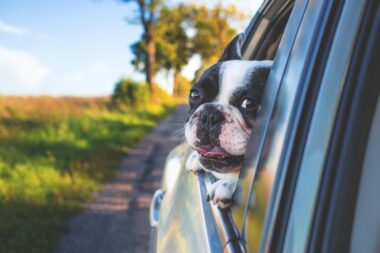

Understanding Customs Procedures for Dogs During Travel
When traveling internationally with dogs, it is crucial to familiarize yourself with the specific customs procedures of your destination country. Each country has distinct regulations concerning the importation of pets, which can include vaccination requirements, health certificates, and quarantine protocols. Before embarking on your journey, make sure to consult the official government website of the country you are visiting. This site often holds essential information regarding the necessary documentation for your dog. Additionally, there may be specific breeds that are restricted or require special permits, so review these details thoroughly. The World Organisation for Animal Health (OIE) is a useful resource for determining the regulations that apply to specific locations worldwide. Moreover, consider contacting your airline, as they may provide their own set of policies concerning pet travel. Prepare ample time to gather all needed veterinary documents and ensure compliance with health regulations to avoid potential problems at the border. Remember, failure to adhere to these requirements can result in delays, additional fees, or even denial of entry for your canine companion. Make dog traveling an enjoyable and stress-free experience by preparing in advance!
One important aspect of traveling with dogs is ensuring they are properly vaccinated according to the regulations of the destination country. Most countries require that dogs be up-to-date with their rabies vaccinations, sometimes administered at least 21 days before travel. It may also be necessary to have proof of vaccination ready for inspection. This documentation usually includes a vaccination certificate from a licensed veterinarian, stating the dates of vaccinations and the identity of the dog. When planning your travels, consult your veterinarian to ensure all necessary vaccinations are administered ahead of time. They can also assist with obtaining a health certificate, which may be required for entry into some countries. The health certificate serves as proof that your dog is healthy and free from diseases, protecting both your dog and other animals. Additionally, some countries may ask for a tapeworm treatment to be administered shortly before departure, so check the specific requirements for your destination. Keep all pet documentation organized and easily accessible during your journey, as customs checks at borders can often be thorough and time-consuming.
Documentation and Health Certificates
When traveling with your dog, maintaining organized documentation is essential to streamline the customs process. A health certificate, sometimes known as an international pet passport, is one of the key documents required in many countries. Your veterinarian must complete the health certificate within a specified number of days before your departure, usually within 10 days. This certificate indicates that your dog is healthy and received all necessary vaccinations. Aside from the health certificate, you will also need proof of rabies vaccination and possibly other documentation related to additional vaccinations required by your destination country. Keep copies of all documents handy, both physical and digital, in case you encounter issues at various checkpoints. Having your paperwork organized can ease concerns and make the customs process smoother. Be sure to check for any specific documents needed based on your airline’s policies as well. Some airlines require additional documentation or may have their own rules regarding pets on board. Contact their customer service for clarification, ensuring your dog enjoys the flight with you without complications.
In addition to documentation, consider the type of pet travel carrier suitable for your dog’s comfort and safety during transit. Airlines and countries have specific regulations requiring that carriers meet certain dimensions and safety standards. A well-fitted carrier not only helps keep your dog secure but provides them with a sense of safety during travel. Be sure to acclimate your dog to the carrier before the journey. Spending time allowing them to explore it, enjoy treats inside, and even short trips can help reduce anxiety and ensure a calmer experience. Make sure the carrier is well-ventilated and secure, preventing any escape attempts during the journey. Pack necessary items within the carrier such as a favorite blanket, toys, or items that smell like home to further comfort your dog. During layovers or extended travel times, allow your dog to stretch their legs and take bathroom breaks in designated areas. Pre-planning rest stops or checking for pet-friendly locations during long road trips can also alleviate stress. Remember that maintaining your dog’s routine as closely as possible will help them feel settled while traveling.
Customs Inspections and Quarantine Procedures
Upon arrival at your destination, customs inspections will be a critical part of the process to ensure compliance with local regulations. Depending on the country, customs may require immediate documentation checks and inspections. Be prepared for possible delays at border checkpoints, especially if your paperwork is not readily available or if there are discrepancies in the health certificates or other documents. Treat customs inspections as routine; remain calm and provide the required documents as requested. In certain instances, dogs may be subject to further inspections or even quarantine if there are concerns about their health or documentation. Understanding the specific customs policies and procedures of your destination can prevent delays and facilitate a smooth entry for your dog. Some countries impose mandatory quarantine periods based on vaccination status or country of origin. Research these requirements before traveling, as you would not want to face unexpected costs or lengthy delays on arrival. Allocate additional time into your travel itinerary, as customs procedures can extend beyond what is initially anticipated.
An essential part of being prepared for dog travel is staying informed about updates related to your destination’s regulations. It’s wise to follow relevant government and non-profit pet organizations, as they often share vital information regarding travel restrictions. These organizations may also provide updates on temporary restrictions due to health crises, such as pandemics or outbreaks, which may significantly affect pet travel. Early awareness of any changes can help you adjust your plans accordingly and prevent last-minute scrambles. Moreover, it is a good idea to connect with other pet owners traveling to the same destination, as they may share valuable insights based on their experiences. Participating in pet traveler forums or social media groups can be an excellent way to gather information, advice, and support. These connections can provide tips on navigating customs and dealing with potential challenges. Plan out your journey and stay on top of regulations, ensuring a smooth transition for both you and your furry friend. Adopting a proactive approach will enhance your ability to respond to any unexpected circumstances that may arise during your travels.
Conclusion: Making Travel with Dogs a Joyful Journey
Traveling with your dog can be a delightful experience when you prepare for the legal requirements involved thoroughly. Familiarity with customs protocols and necessary documentation is crucial to avoid potential pitfalls. By staying organized and knowledgeable about vaccinations, health certificates, and inspections, you can ensure that both you and your furry companion enjoy stress-free travel. In summation, always do your research regarding regulations specific to your destination country, as well as the airlines you will use for travel. Proper planning goes a long way to creating a smooth travel experience and establishing a joyful journey for both you and your dog. Remember to provide comfort, maintain regular feeding, potty breaks, and allow your dog space to relax while traveling. These strategies can help reduce anxiety, benefit your pet’s overall experience, and promote a peaceful adventure. Therefore, education and preparation are key to making your travels fulfilling and enjoyable. With attention to customs and legal requirements, you can look forward to many happy travels ahead with your canine companion!