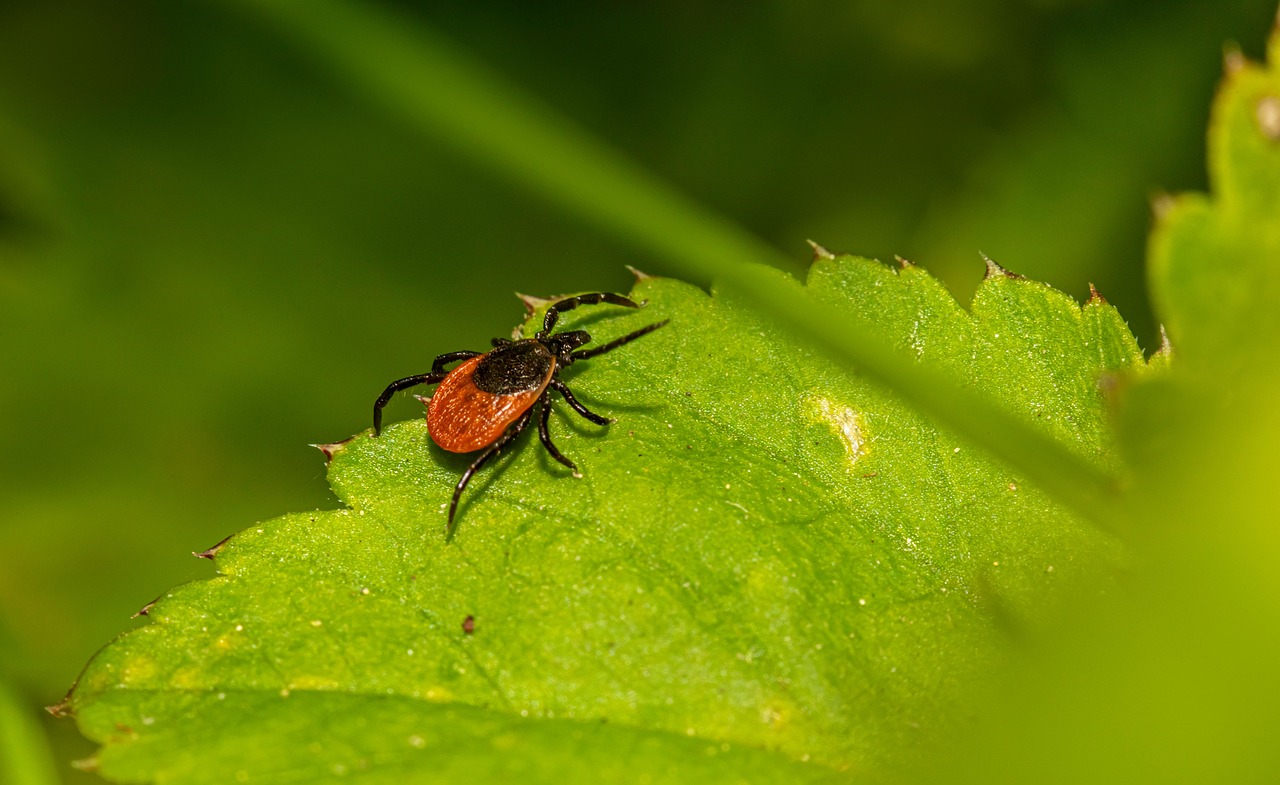

Educating Cat Owners About Lyme Disease and Tick Safety
Lyme disease has become increasingly recognized as a serious complication for cats. This condition arises from infections transmitted by ticks, which can attach to pets during outdoor activities. These ticks can harbor numerous pathogens, leading to various health concerns that every cat owner should be aware of. As they emerge from hibernation, tick populations may flourish, increasing exposure risks for outdoor cats. This necessitates regular checks for ticks after outdoor excursions, which can help mitigate the chances of Lyme disease transmission. Educating yourself about Lyme disease and its symptoms is critical. Keep vigilant for signs such as lethargy, lack of appetite, and joint pain. Every cat has individual reactions to Lyme, so awareness and prompt action can prevent complications such as chronic illness. Protecting your cat doesn’t only involve timely vaccinations but also engaging in preventive measures. Regularly consult your veterinarian to discuss the best tick prevention methods and treatments available. Remember, healthy pets thrive in environments where they are actively protected against these tiny but impactful pests, ensuring they lead happy and active lives.
Another critical aspect involves understanding the tick lifecycle. Ticks progress through several stages, including larva, nymph, and adult, each presenting unique risks to pets. When they’re in the nymph stage, they are particularly dangerous due to their small size, making them hard to detect. Ticks live in grassy and wooded areas, and can easily latch onto cats when they brush against bushes or tall grass. Sometimes, ticks might be carried into your home by other pets, which increases the likelihood of contact between ticks and your cats. Regular grooming not only enhances your cat’s appearance but creates chances for early detection of ticks. Tips for thorough checks include regularly examining areas such as the neck, underarms, and between toes, as these spots are tick favorites. Additionally, employing tick-repellent products suitable for cats can significantly minimize the chances of tick attachment. Products vary in effectiveness, so it’s beneficial to consult your vet for recommendations tailored to your cat’s needs. Committed vigilance now can save your cat from significant health issues in the future, ultimately delivering peace of mind.
Recognizing the Symptoms of Tick-borne Illnesses
Once Lyme disease or other tick-borne illnesses take hold, prompt recognition of symptoms is essential. Early signs can often be mistaken for general fatigue or malaise, making observation vital in the diagnosis process. Symptoms can vary; however, the most commonly reported include fevers, joint swelling, and noticeable discomfort during movement. Such signs should not be taken lightly. If your cat exhibits any unusual behavior or symptoms like excessive grooming, restlessness, or extreme changes in behavior, contact your veterinarian urgently. Laboratory testing can confirm diagnoses through blood tests that check for the presence of the Lyme bacteria. Many tick-borne diseases can have lasting impacts if left untreated. Early diagnosis can lead to better outcomes with appropriate courses of antibiotics. In addition, lost appetite and sudden weight changes can alert owners to possible underlying issues linked to Lyme disease or similar conditions. Always be proactive about these attributes. Unfamiliarity with these symptoms may cause unnecessary delays in treatment, leading to serious complications down the road. Ultimately, staying educated about your pet’s health and wellness is vital for effective preventive care.
Prevention of tick-related issues begins with proper habitat management around your home. Keeping your yard tidy and reducing tall grasses and shrubbery can help diminish tick populations. Additionally, creating a barrier between wooded areas and play zones may deter ticks from moving into grassy spaces. Consider using landscaping practices that minimize the likelihood of ticks proliferating, such as gravel or wood chips to create dry areas that are less attractive to ticks. Fencing may also limit interactions between your cat and tick-prone zones, therefore reducing exposure. Create a tick control schedule based on peak tick season in your area. Utilize sprays or topical products proved safe and effective for cats. Furthermore, make outdoor activities safer by restricting roaming. Leashed walks can offer adventure while maintaining control over exposure levels. Work with your veterinarian to develop personalized strategies for your overall plan to combat tick-borne illnesses. Being systematic about these approaches can greatly curtail potential health risks posed by ticks and allow you to enjoy safe outdoor experiences with your feline companion.
Importance of Vaccination and Routine Check-ups
Maintaining a vaccination schedule for your cat against Lyme disease is vital to combat health implications. Although certain vaccines may not provide complete immunity, they significantly lower the risk of severe disease and can be an essential part of an ongoing health strategy. Consult your veterinarian to understand the specific vaccines available and suitable for your cat, based on risk assessment for exposure. Routine veterinary check-ups are also crucial in managing overall health related to tick-borne illnesses. During these visits, discuss any behavioral changes you may have noticed and update your vet on existing preventive measures. Professionals can examine your cat thoroughly, looking for potential issues linked to ticks or other parasites. Early intervention tends to yield positive conclusions, enhancing the likelihood of successful treatment. Remember that a preventive approach enriches your cat’s life and develops a stronger bond as you both engage in their health care. Doing all possible to defend against Lyme impacts can advance your cat’s health and overall quality of life significantly. Invest time in understanding how vaccination interacts with holistic pet care.
In addition to vaccinations and preventions, home care plays a paramount role in maintaining your cat’s health against tick-related diseases. Regular grooming not only enhances hygiene but provides opportunities to bond with your cat while serving to identify ticks promptly. Use a fine-toothed comb to finish the grooming process, particularly focused on areas frequently targeted by ticks. While combing, take time to feel for lumps or abnormalities that may indicate health issues requiring further investigation. If a tick is found, remove it carefully using tweezers, making sure to grasp the head to prevent any parts from breaking off in the skin. Always consult your veterinarian for proper removal techniques if needed. Post-removal, be vigilant for any signs of infection at the site. Be sure to monitor your cat closely for behavioral changes or new symptoms. Keeping adequate records of findings can prove useful during vet visits. Remember, remaining engaged in your feline companion’s health enhances their well-being significantly. Your diligence significantly affects their happiness and longevity, especially during outdoor adventures.
Conclusion and Final Thoughts on Cat Well-being
Ultimately, safeguarding your cat from Lyme disease and tick-borne illnesses warrants proactive engagement from owners. Building an arsenal of preventive measures, maintaining open communication with your veterinarian, and fostering an understanding of your pet’s general health create a holistic approach to their safety. Your dedication to educating yourself about potential health risks, understanding effective preventive treatments, and monitoring your pet can contribute immensely to their quality of life. Regular assessments for ticks, combined with effective grooming and habitat management, set the foundation for providing a safe living space. Be vigilant about symptoms and ensure timely veterinary intervention when necessary. The efforts put forth today can positively affect your beloved cat’s health for years to come. As you prioritize their well-being, remember that knowledge leads to empowerment, enabling you to create a supportive environment for healthy living. Feeling equipped to handle potential threats will create peace of mind for both you and your cat. Serve as advocates for their well-being—dedication now ensures lifelong companionship.
In summary, the integration of knowledge and practical measures will keep your feline friend safe from ticks and Lyme disease. Stay informed, develop strong health routines, and actively prevent exposure to harmful pests in outdoor environments. Resilient cats thrive in well-managed habitats, lending peace of mind to pet parents who diligently seek to enhance their cats’ lives, providing them with the happy, healthy existence they deserve.