
Why Removing Standing Water in Yards Matters for Dog Parasite Control
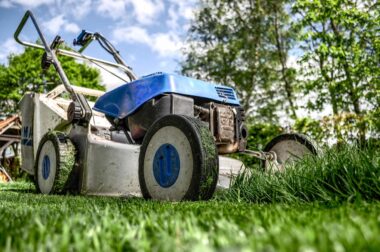
Standing water in your yard can create a breeding ground for parasites, which poses a serious threat to your dogs. When water accumulates after rainfall or irrigation, it attracts various pests like mosquitoes, ticks, and fleas, which can transmit dangerous diseases. These parasites are not only uncomfortable but can also endanger your pet’s health and well-being. It’s crucial to regularly inspect your yard for any pooling water. Common areas where water can collect include low spots in the lawn, flower pots, clogged gutters, or retaining walls. Each of these spots should be evaluated to mitigate risks effectively. For instance, after mowing your lawn, the grass might clump, holding moisture, so aim for even cuts. Furthermore, installing proper drainage is essential. Consequently, being proactive in removing standing water can help reduce parasite populations dramatically, ultimately leading to a healthier environment for your furry friends. To ensure your yard is parasite-free, consider implementing strategies such as routine cleanup and using pet-safe mosquito and tick treatments.
The Link Between Standing Water and Dog Parasites
The correlation between standing water and the rise of dog parasites cannot be overstated. Mosquitoes, especially, thrive in stagnant water, leading to rapid population growth in your yard. These mosquitoes are known carriers of heartworms, a severe and potentially fatal ailment for dogs. Even a small amount of standing water can lead to significant increases in mosquito populations, thereby raising your dog’s risk of infection. Additionally, ticks are often drawn to moist environments where they can find shelter and ambush passing pets. Fleas also find ideal breeding conditions in damp spots, multiplying quickly and causing infestations. Regular inspection for standing water serves as the first line of defense against these unwanted pests. By keeping your yard dry and well-maintained, you can help diminish these threats significantly. In turn, this will lead to improved health and comfort for your dogs. Consider examining areas like bird baths, pool covers, or children’s toys that may collect rainwater. Action taken today will pay off in the long run, contributing to a safer environment for your pets and family.
One effective strategy for controlling standing water is to improve the drainage system of your yard. If your lawn has consistently wet spots, adjust its slope to ensure proper drainage towards a designated area. Installing perforated pipe systems can provide excellent runoff for excess water. Furthermore, using dry wells is another viable solution to direct rainwater safely away from areas where pets roam. This will not only help in managing water levels but also reduce mud and soil erosion, creating a healthier landscape. Actively engaging with your landscape with plants that require less water will retain moisture minimal, while native plants thrive in local conditions, needing less irrigation altogether. Drought-resistant plants are ideal since they naturally survive with limited water. Maintain your landscaping to help avoid places where standing water can form, and use mulch sparingly, which can retain moisture. By implementing these strategies, the overall landscape of your yard will improve and remain optimal. Thus, reducing the risks posed by parasites and making it a safe zone for dogs to play freely and comfortably.
Regular yard maintenance extends beyond just draining standing water; it also involves vigilant waste management. Pet waste can accumulate moisture that attracts parasites like hookworms and roundworms through fecal contamination. To prevent this, pick up after your dog promptly and dispose of waste properly. If pet waste is left in the yard, it can lead to healthy soil for parasite larvae to thrive and significant risks when dogs dig and play in those areas. Therefore, incorporating a routine waste cleanup into your yard maintenance practices is essential. Consider investing in waste disposal options such as compostable bags and dedicated bins to make your cleanup routine more manageable. Train your dogs to eliminate in designated areas, which can simplify the process. Utilize disinfectant sprays over surfaces where your dog might come into contact with waste, additionally ensuring that all turf areas remain parasite-free. With diligent waste management strategies, you will help keep your yard cleaner and safer for your canine companions to enjoy their outdoor adventures, promoting a healthier environment for their playtime.
Utilizing Natural Remedies in Yard Care
Incorporating natural remedies into your yard care can significantly aid in managing parasites without harmful chemicals. Consider using essential oils that deter certain pests, helping to protect your dogs from potential threats. Oils such as peppermint, lavender, and eucalyptus can repel mosquitoes and flies effectively. Dilute these oils with a carrier oil and apply them in your yard, focusing on areas where pets play frequently. Additionally, you might explore planting specific herbs like rosemary and basil that are known to deter insects naturally. Marigolds are another excellent choice for keeping pesky garden pests away. Furthermore, promoting beneficial insects in your yard, like ladybugs and lacewings, can help control insect populations naturally without harming your landscaping. Create habitats for beneficial insects by leaving organic mulch or native wildflower patches, supporting an ecosystem that limits pests while sustaining natural beauty. Regularly inspect your plants and your yard for signs of insect infestations, allowing you to respond rapidly. These organic strategies will not only create a safe haven for your dogs but also promote environmentally friendly practices.
Monitoring your dog’s environment and behavior is equally important in keeping them free from parasites. Regularly check your pet for any signs of flea or tick infestations after playing outdoors. Look for bites, scratching, or area redness on their skin—common symptoms if fleas or ticks have visited. Additionally, consider incorporating routine veterinary check-ups to catch any potential infestations before they escalate. Consult with your vet about the most effective tick and flea preventatives suited for your dog’s lifestyle. Engaging in a weekly grooming routine can also aid in spotting and removing parasites before they have a chance to thrive. Use fine-toothed combs that can help catch any fleas or ticks; this keeps your dog comfortable while offering you piece of mind. Educate yourself on any seasonal parasite patterns in your area to better prepare for potential outbreaks and ensure your dog stays protected year-round. By maintaining a close relationship with your vet and being proactive about checking your dog regularly, you can keep your animal happy and healthy, and minimize parasite exposure.
In conclusion, the impact of standing water on dog parasite control is significant and requires diligent attention. Your backyard can be a safe, inviting space for your pets when you take proactive measures to eliminate potential hazards. Implementing strategies such as improving drainage, managing pet waste, and employing natural remedies can create a healthier environment for your pets. Regular inspections and maintenance are essential to identify problem areas quickly, ensuring you can take appropriate action before issues arise. Additionally, invest time in nurturing protective vegetation and barriers that can deter pests while creating a calming landscape for your dogs. Keep an eye out for seasonal changes that may influence parasite activity, adjusting your yard care routine accordingly. Ensuring cooperation with local veterinarians can also improve your pest management efforts significantly. Remember that every small effort counts in the fight against dog parasites. With commitment and consistency, your yard can be transformed into a safe haven for your furry friends, fostering their health and happiness on your property.
For more tips on dog care and pest management, consider exploring additional resources available online or at local pet stores. Staying informed and continuously learning about dog health and safety will allow you to enhance your pet ownership experience further. Take action today, and help your dogs enjoy parasite-free outdoor time!