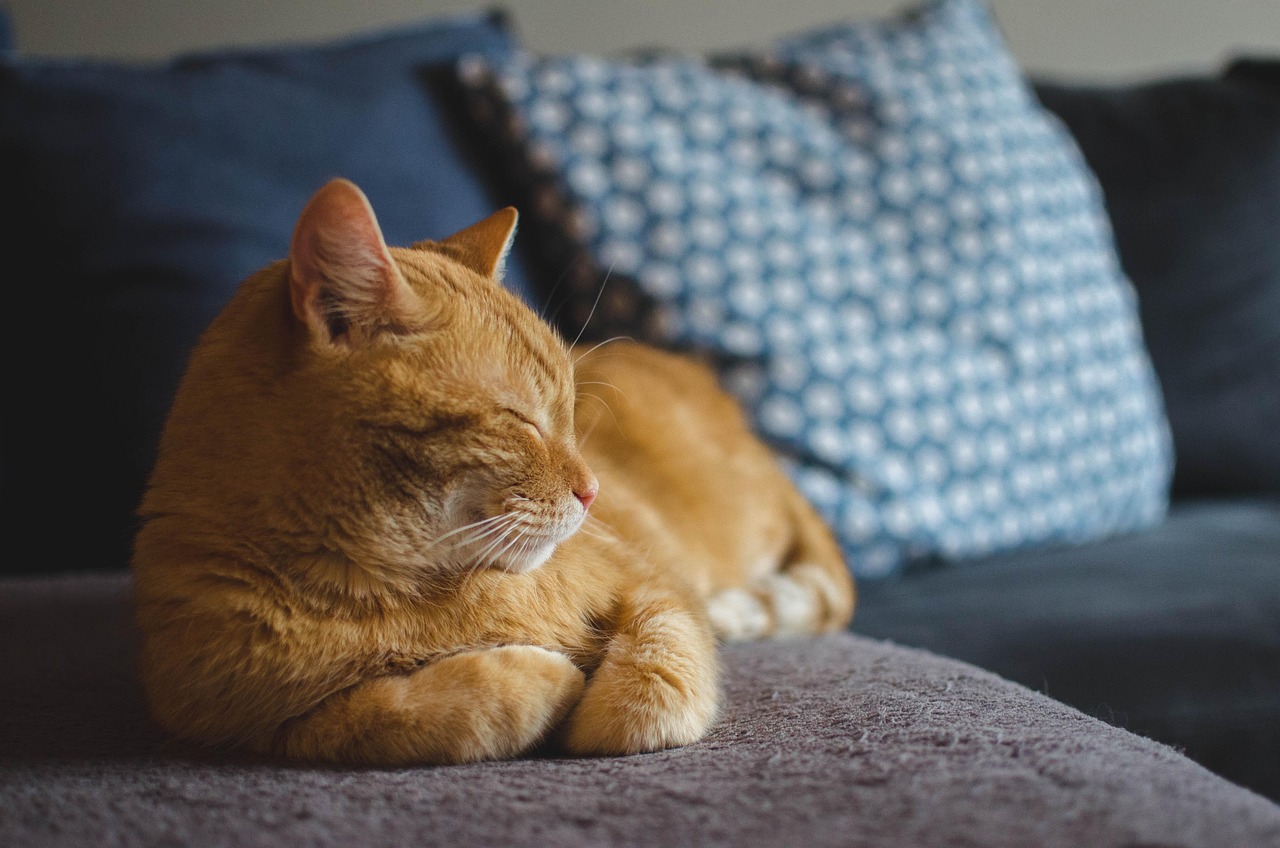

Building Patience: Teaching Your Cat to Stay Calm and Still
Teaching your cat to sit and stay can be an essential part of keeping them calm in various situations. The first step in this process is creating a peaceful and conducive environment. Make sure to eliminate any distractions in the room where you will be training your cat. Pick a quiet area where your cat feels comfortable and safe. It helps to use a mat or a specific spot that indicates where they should sit. Start by letting your cat explore the area before beginning any commands. Once you’re ready, gather some tasty treats to reward them for positive behavior. This will make it easier for them to associate commands with rewards, reinforcing the desired actions. Cats learn differently than dogs; patience is crucial. In the early stages of training, keep the sessions short to maintain your cat’s attention and interest. Aim for ten minutes of training to avoid overwhelming them. Consistency will be key in establishing the desired behaviors, helping your cat grow in confidence and enhancing their learning experience. Always remember to end each session on a positive note, providing a lot of affection.
Understanding the Cat Commands
Commands such as “sit” and “stay” require your cat to understand what you are asking of them. Using a clear and distinct voice will aid in their comprehension. Start with basic commands before moving on to more complex behaviors. For the command “sit,” hold a treat just above your cat’s nose and gradually move it upwards. As their head goes up to follow the treat, their bottom should naturally lower to the ground. This is the perfect moment to say the command “sit” and reward them immediately when they comply. Reinforcement must happen quickly to help them connect the command with the action. For the command “stay,” once your cat is sitting, take a few steps back while confidently saying the command “stay.” If they remain in position, come back and reward them. If they move, simply reset them without showing frustration. Training sessions should be repeated regularly until your cat grasps the concepts. Repetition with this kind of exercise is key, and your cat will learn over time to stay calm and still in multiple situations.
Creating a consistent routine is important while teaching commands to your cat. Setting aside specific times during the day for training helps to establish a rhythm. Try to keep to a schedule that works for both you and your cat. This could be before mealtimes or after they wake from a nap when they are relaxed and more receptive to learning. Additionally, using their favorite toys or treats during training can significantly enhance their engagement. This adds a level of fun to the process that helps to maintain their interest. It’s critical to remain patient and positive throughout the training as cats can pick up on their owner’s emotions. If they sense frustration or impatience, they may become anxious or unwilling to follow your commands. Likewise, celebrate small victories! Even if they only stay for a few seconds, reward them immediately. Use a happy tone to let them know they are doing well. Over time, you’ll see improvement in their ability to sit and stay on command. Remember, training is a bonding experience, leading to a more obedient and relaxed cat.
Positive Reinforcement Techniques
Positive reinforcement is fundamental when teaching your cat commands. Unlike punishment, which can lead to fear and anxiety, positive reinforcement promotes trust and a strong bond between you and your cat. When your cat successfully follows a command, such as sitting still, immediately provide a reward. This could be a small treat they love or extra affection, like petting or cuddling. This immediate reward helps your cat understand that staying calm and still yields positive outcomes. Additionally, varying the rewards can keep your training sessions interesting. For example, alternate between treats, praises, and playtime to avoid monotony. Gradually increase the difficulty of your commands, such as asking your cat to stay for longer durations. Make sure that your cat is mentally stimulated throughout this process, as challenges can provide them with pride in their achievements. Keeping a journal of their progress can also help track milestones, making adjustments to your methods more manageable. Keep sessions upbeat and fun, ensuring the overall experience remains a positive one for your feline friend. In conclusion, maintaining this joyful approach will foster curiosity and eagerness in your cat.
Throughout the training process, consistency in your commands and approach is essential. Using the same verbal cues and hand signals for commands will help reinforce your cat’s learning. Cats may not always respond perfectly, and that’s okay. Whenever mistakes occur, simply reset your cat and calmly repeat the command. Over time, they will begin to recognize the cues you consistently use. It’s also critical to remain flexible; some days your cat may grasp the commands better than others. Always adapt your training sessions to their mood and energy level. If they seem particularly restless one day, consider engaging in a brief, energetic play session first to tire them out, making them more receptive to training later. Try not to become discouraged if progress seems slow; patience is key. Remember that every cat is an individual with its own learning pace. Additionally, incorporating play and other activities into their routine can keep them engaged and relaxed. Training should always be a fun interaction that enhances your relationship, making both you and your cat feel accomplished.
Common Challenges and Solutions
Training your cat to sit and stay may present some challenges along the way. Some cats are naturally more stubborn or independent than others and might take longer to grasp commands. When faced with setbacks, identify any patterns. If your cat consistently struggles with a command, spend additional time reinforcing it. Adjust your technique to better suit your cat’s learning style. For instance, your cat may respond better to visual cues instead of verbal ones. Additionally, distractions can hinder your cat’s ability to concentrate during training sessions. Ensure you are choosing times and places with minimal interruptions. Outdoor distractions, such as other animals or noises, can be overwhelming for some cats, so transitioning to a quieter area indoors can help. If your cat leaps up or breaks command, don’t panic. Calmly reset the process without reprimanding them, as negative reinforcement can hurt their motivation. Always keep an eye on your cat’s body language, as this will provide insight into their comfort levels. Addressing these challenges with understanding will ultimately foster a successful learning environment.
Another common challenge faced when training cats is their fluctuating attention span. Cats, by nature, can be easily distracted, making it necessary to be aware of their focus levels. A great strategy is to conduct training sessions when your cat is likely to be more alert and engaged, such as after a meal. Additionally, varying the length of your training sessions can sustain their interest. Instead of lengthy sessions, opt for shorter, more concentrated bursts of training. Frequent, short sessions can lead to better retention of commands and behaviors. Adding interactive elements—like toys or multisensory tools—can also help focus their attention. Incorporating fun into training makes it feel less like a chore and more like a game for your cat. Be observant and adaptable. If your cat stops responding, take a break. Engage them with something they enjoy, whether it’s playtime or a relaxing cuddle session. This approach can rejuvenate their focus and make them more inclined to return to training with enthusiasm. Lastly, be sure to stay positive and encouraging while they learn.
Building Long-Term Habits
Creating lasting habits in your cat regarding commands like sit and stay takes diligence and commitment. As each training session builds upon the last, long-term reinforcement after successful sessions remains crucial. Incorporating these commands into everyday life will help solidify the learning process. For example, when you engage in everyday activities, like meal prep or playtime, practice asking your cat to sit before giving them food or toys. Consistently rewarding them for obedient behavior during these moments will reinforce their training in organic ways. Additionally, continuously challenging your cat to stay when distractions arise—letting them watch out the window or see new people—will further strengthen their ability to remain calm. This realistic practice is more effective than isolated training sessions. As your cat becomes more adept at sitting and staying, you can introduce new environments—like the yard or a pet-friendly space—for practice. Over time, you’ll find that your cat grows increasingly confident in responding to commands. Their capacity to maintain calm will benefit both of you, enhancing your interactions. Celebrate significant milestones throughout this journey for you and your cat!