
Building a Beginner’s Dog Photography Portfolio
Creating a stunning dog photography portfolio starts with some initial preparations and understanding. Begin by deciding on the kind of dogs you want to shoot, as this will guide your portfolio’s focus and style. Research various dog breeds and gather inspiration by exploring other photographers’ portfolios. Think about the locations you will choose for your sessions; natural environments often enhance the beauty of pets, allowing them to shine. Prepare a shot list that includes essential poses, angles, and features to capture. Most importantly, involve dog owners by consulting them about their pets. By using various techniques and styles, reflect on how to portray each dog’s personality. You can also take candid shots at dog parks, making them feel at ease. Experiment with lighting, angles, and compositions, and don’t hesitate to take hundreds of photos during each session. This may improve your shoots tremendously, providing ample options to select the very best. Spending time studying canine behavior will assist you in creating a stress-free atmosphere during photo shoots with your subjects, leading to a successful portfolio. In essence, your portfolio will evolve as you gain new experiences.
Having established the groundwork, the next step involves equipment selection for dog photography. Beginners should start with an entry-level DSLR or mirrorless camera that offers flexibility in settings. Pair the camera with a versatile lens, such as a 24-70mm or a 50mm prime lens, as these can effectively capture varying shots. Invest in a sturdy camera strap and consider other accessories such as reflectors and tripods to ensure stability and creativity during shots. Learn about your gear thoroughly; every camera generally comes with an instruction manual that provides useful features and settings. Familiarize yourself with basic photography terminologies such as aperture, shutter speed, and ISO. These terms can significantly influence the final outcome of your images. When shooting dogs, fast shutter speeds are crucial to freezing their fast movements. Additionally, natural light can enhance the quality of your photos—try shooting during the golden hour for naturally lit and visually appealing photographs. As you advance in your dog photography journey, evaluate the necessity of additional gear. It’s ideal to gradually expand your toolkit as your skills improve and your style develops.
Establishing a Shooting Style
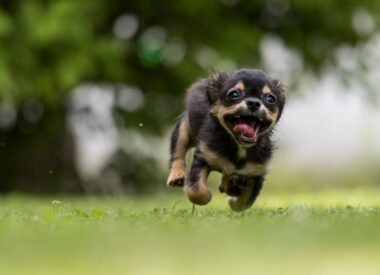
As you delve deeper into dog photography, developing a unique shooting style becomes essential for creating a stand-out portfolio. Think about what sets your work apart from others and how to capture the essence of each dog through your lens. Consider artistic themes, such as capturing dogs in action versus tranquil, posed settings. Make use of different angles—the lower you go to the ground, the more immersive the shots become, giving a genuine perspective from a dog’s point of view. Always pay attention to backgrounds; they should complement, not distract from your subject. When starting, taking candid shots during playtime often leads to the most genuine expressions. Incorporate props or outfits for additional character in some photo sessions, but ensure they are comfortable for the dogs. Engaging in post-processing can enhance your final images, allowing you to create a consistent look across your portfolio. Editing software like Lightroom or Photoshop can be valuable tools for minor adjustments. Continued practice and exploration will help solidify your photographic style, ultimately reflecting your passion for dog photography while capturing the joy dogs bring to our lives.
The importance of branding in building a portfolio is often overlooked by beginners. A consistent and appealing visual identity can significantly enhance your portfolio’s professional appeal. Decide on a business name that resonates with your style and audience. Create a logo that embodies your brand; this will be useful for watermarking images and marketing purposes. When showcasing your work online, utilize a dedicated website or social media platforms to display your photographs effectively. Platforms like Instagram and Facebook are excellent for sharing images and connecting with potential clients. Craft engaging captions to tell a story behind each photograph and encourage interaction from viewers. Regularly update your online presence by posting new content, ensuring it reflects your current work and showcases your growth in skills. Furthermore, don’t hesitate to network with other photographers and participate in dog-related community events; this networking can introduce you to various clients while expanding your reach. Over time, this strong branding helps establish you as a go-to dog photographer, leading to more opportunities and enhancing your portfolio’s visibility in the competitive marketplace.
Client Relationships and Communication
Good relationships with clients are paramount in dog photography; effective communication is key to understanding their expectations and shaping successful photoshoots. Begin by outlining your services, including shooting styles, pricing, and the deliverables they can expect. Maintain transparent discussions about their preferences, the dogs’ personalities, and any special requests they may have. Showing genuine interest in their pets and building rapport will foster trust, making them more comfortable environment during the session. Preparing a detailed questionnaire for clients can help you gather essential information about the dog’s behavior, favorite activities, or specific traits they wish to showcase. By establishing this personal connection, clients are more likely to recommend your services to others in their circles. Be professional yet approachable in all communications—prompt responses, addressing concerns, and seeking their feedback post-session can improve satisfaction. Always express gratitude for choosing your services and encourage them to share their experiences. This rapport-building can remarkably lead to repeat business and referrals, essential components for a thriving dog photography career, ultimately enriching your portfolio with diverse and many beautiful photographs of different dogs throughout your journey.
In addition to building relationships, it is vital to ensure a smooth photoshoot day for both the dog and its owner. Creating an outlined plan detailing logistics—such as the meeting point, timing, and any required items—helps keep everyone informed and ready. Encourage clients to bring their dogs’ favorite toys, treats, or blankets, as they can provide comfort and motivate the dogs during the shoot. It’s also wise to scout the location beforehand, considering various backdrops and lighting conditions to enhance the day’s shoot. Scheduling the session at times when dogs are most energetic can lead to more dynamic and lively images. Use positive reinforcement while photographing; this can involve lots of patience and gentle encouragement to coax out the most endearing expressions. If challenges arise, adapt your approach accordingly and creatively problem-solve on the spot. After the session, maintain communication by updating clients on the progress of their images. Ensuring a satisfactory experience for clients will result in lasting relationships that contribute to a flourishing dog photography business and an outstanding portfolio full of diverse works.
Building a Diverse Portfolio
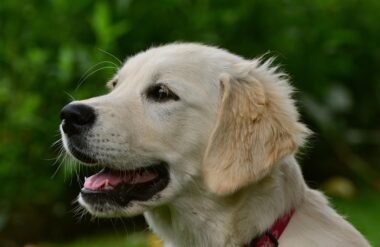
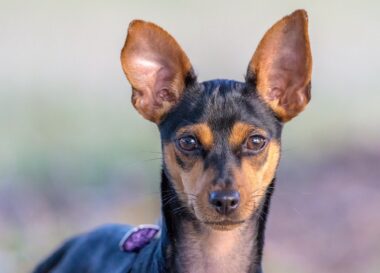
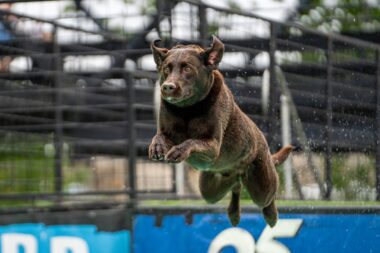
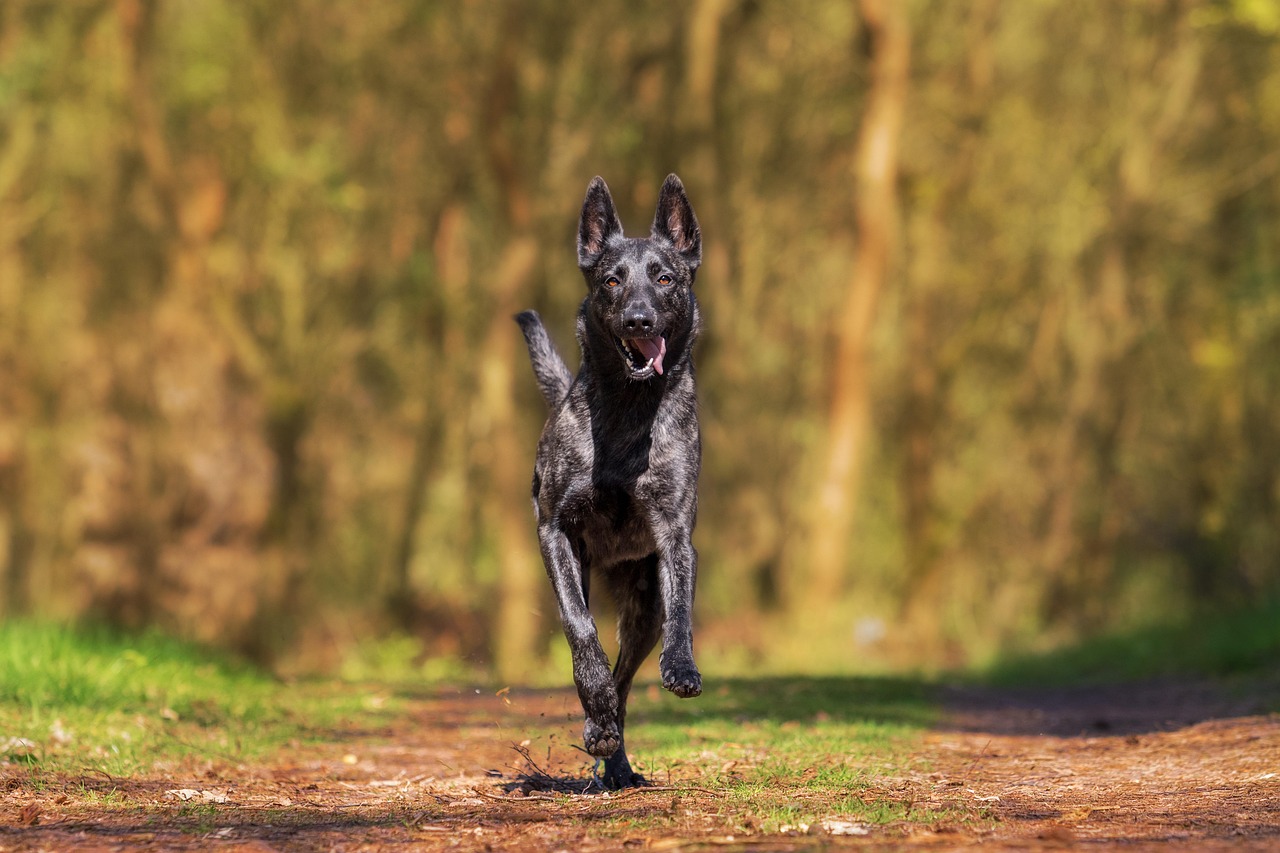
One critical aspect of constructing a dog photography portfolio is diversity. Aim to photograph various breeds and sizes to not only display versatility but also to appeal to a broader audience. Capturing dogs in different environments, such as parks, beaches, or urban settings can bring life into your portfolio. This variety showcases your ability to adapt to various lighting conditions, backgrounds, and canine behaviors. Ensure you include both portrait-style shots and candid moments, showcasing the unique energy that an individual dog brings. Consider partnering with local shelters or rescues; this collaboration could yield opportunities for incredible photographs while supporting a noble cause. You can build real connections while also gaining varied experiences and images of diverse breeds. Additionally, conducting themed shoots or seasonal projects can increase diversity and keep your portfolio fresh. Incorporating various styles, like black and white photography or artistic edits, can further enhance your works. Remember, the richness of your portfolio contributes to your growth as a photographer and sends a strong message of your capabilities in dog photography. Continual exploration and learning will ensure your portfolio remains captivating and engaging to viewers.
Finally, reflect on how to present your work effectively. Think about your portfolio’s layout, whether you prefer a digital portfolio or a physical album. A well-organized online portfolio on a dedicated website or gallery can captivate audiences instantly. Segment your photos into categories based on breeds, locations, or even shooting styles, allowing viewers to navigate with ease. Including a brief description of each session can add context and connect viewers with the images further. Always ensure that your images are of the highest quality, avoiding over-compression while showcasing each shot’s best features. Highlight testimonials from previous clients as social proof, reinforcing the quality of your work and fostering trust for potential clients. Optimize your website for search engines, using relevant keywords and compelling meta descriptions so people can find your work more easily. Prepare to showcase a selection of your finest shots—these often represent your skills and should engage viewers as they scroll through your work. A well-structured presentation of your dog photography portfolio not only enhances your visibility but establishes a strong foundation for a successful career in this fulfilling field.