
Holistic Approaches to Senior Cat Cancer Care
Caring for senior cats with cancer can be incredibly challenging for pet owners. It is essential to employ a holistic approach that considers not just medical treatment, but also the emotional and physical well-being of the cat. Balancing conventional therapies with alternative treatments can enhance the pet’s quality of life. Regular check-ups and open communication with veterinarians, specializing in oncology, can provide vital insights. These professionals can formulate a tailored treatment plan that may include chemotherapy, nutritional adjustments, and pain management. It is essential to monitor any side effects and alter the approach as necessary. Additionally, many owners find that incorporating holistic methods such as acupuncture, herbal supplements, and homeopathic treatments can significantly enhance their cat’s comfort during therapy. Although certain natural remedies may aid well-being, specific advice from veterinarians is crucial to avoid potentially harmful substances. Engaging in a supportive community, like pet owner forums, can also offer guidance and share experiences. Advocating for their cats through informed decision making is vital, which can lead to positive experiences during treatment.
Nutrition and Dietary Considerations
Nutrition plays a pivotal role in supporting the overall health of senior cats battling cancer. High-quality, nutritious food can help maintain energy levels and ensure sufficient hydration, which is often required during treatments. Specialized diets that are high in protein and vital fats can aid in recovery and maintain muscle mass. Owners should consult with veterinary nutritionists who can recommend appropriate diets tailored specifically for senior cats with cancer. Using a combination of wet and dry food tailored to the needs of the cat can promote optimal intake and encourage appetites. Supplementing their diet with Omega-3 fatty acids and antioxidants can also have positive effects. However, caution must be exercised to avoid foods that contain fillers or harmful additives, which can exacerbate health issues. Observing the cat’s eating habits and making adjustments can improve their overall comfort. Moreover, frequent, smaller meals can ease digestion, particularly if vomiting or nausea occurs. Customized meal plans focusing on nutrition can offer a supportive pathway in managing the physical challenges imposed by cancer treatment while focusing on enhancing their life quality.
Environmental Factors for Comfort
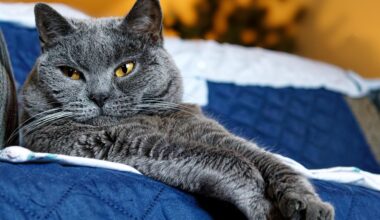
The environment plays an essential role in the care of senior cats diagnosed with cancer. Creating a calming space can help alleviate stress and anxiety, which can exacerbate health issues. A serene environment includes comfortable resting places that are away from excessive noise and disturbances. Providing soft bedding in warm areas can enhance comfort, particularly for cats experiencing pain or discomfort. Furthermore, ensuring easy access to food, water, and litter boxes can simplify their daily routines. Limiting interactions with overly energetic pets may reduce stress. Owners should also consider using tools like pheromone diffusers or relaxing music to create a tranquil atmosphere. Regular gentle handling and gentle play can reinforce emotional bonds while avoiding stressful situations. A familiar environment aids in minimizing anxiety, which is pivotal for recovery during intense treatments. Additionally, incorporating safe, interactive toys may stimulate mental engagement without overwhelming them. Daily interactions, such as grooming or gentle petting, can further cultivate a feeling of safety. Together, these practices can significantly enhance the well-being of senior cats, providing them with a peaceful home during challenging times.
When addressing medical treatment, a balance between conventional and alternative approaches can often yield positive results. While chemotherapy and surgeries are common choices available through veterinary oncologists, supportive care options prove essential as well. Some owners may explore acupuncture, which can provide pain relief and is an effective complementary therapy. Similarly, herbal treatments like milk thistle or spirulina can support liver health and mitigate side effects from conventional treatments. However, it is crucial to communicate with veterinarians about any natural remedies administered to ensure safety. Adequate pain management is critical for maintaining a good quality of life and may include medications or natural pain relievers, depending on the condition’s severity. In essence, caregivers should remain vigilant regarding their cat’s behaviors and health, providing feedback to the veterinarian for adjustments in treatment. Regular follow-ups are key to evaluating drug response, health changes, and pain levels. By modifying treatment plans and pain management strategies as needed, pet owners can greatly improve their senior feline’s life quality. Combative approaches in treating cancer can foster better recovery and emotional experiences in these cherished pets.
Emotional support is crucial for both senior cats experiencing cancer as well as their owners, as stress and anxiety can significantly impact recovery. It is essential to create an emotionally stable home by remaining sensitive to the cat’s needs. Routine remains significant; establishing predictable feeding times, play, and quiet times fosters a sense of stability and normalcy. Caregivers should pay close attention to how the cat reacts to interactions or changes in the environment and adjust accordingly. Noticing signs of stress or discomfort helps in making necessary changes to routines or environments promptly. Offering quiet areas equipped with soothing touches aids in their mental well-being. Engaging in gentle interactions, such as petting or soft talking, can also reassure the cat while fostering emotional bonds. Regular exercise is beneficial but balanced and gentle to prevent overexertion. Simple playtime can provide emotional releases and foster positivity, even for short durations. Ultimately, a nurturing, compassionate approach is key in helping senior felines navigate emotional challenges. Additionally, the emotional connection established can further benefit owners by alleviating their concerns while fostering a healing environment.
Lastly, tapping into community support resonates positively for caregivers of senior cats battling cancer. They can share valuable insights, experiences, and emotional relief through discussion forums or local support groups. Joining pet owner communities provides access to diverse perspectives and may reveal alternative treatments that have succeeded. These interactions can nurture relationships with peers who share similar challenges. Education on pet cancer through workshops or online resources empowers owners to make informed decisions regarding treatments and care. Additionally, discussing specific issues openly often provides a sense of relief from shared feelings of frustration and worry. Learning from fellow caregivers offers fresh coping strategies that can ease stress in day-to-day care. Many community groups further provide resources for holistic treatment recommendations or local providers offering specialized services. Cultivating relationships within these circles not only benefits pet care but also allows emotional support networks that benefit every participant. Engaging in advocacy or raising awareness about senior cat cancer fuels efforts directed toward combating its concerns. By rallying resources, creating awareness, and fostering community bonds, together caregivers can provide enhanced care for their beloved feline friends facing cancer.
In conclusion, caring for senior cats with cancer requires a multifaceted approach balancing medical intervention, emotional support, dietary needs, and community engagement. Owners play a crucial role in significantly affecting their cats’ quality of life during these challenging times. They must prioritize regular veterinary consultations and explore holistic options that go hand-in-hand with conventional treatments. Environmental factors also greatly influence recovery, setting up a comfortable and serene space catered to their feline friend’s needs. Paying close attention to behavior and changes allows for tailored responses to treatment and ensuring emotional well-being. Furthermore, engaging with community support networks can reinforce knowledge, creating bonds among like-minded individuals. Together, these strategies can foster a safe and nurturing environment, making a positive impact on the life of senior cats battling cancer. The emotional and physical journey through cancer is undoubtedly challenging, yet with compassion and informed decisions, owners can enhance the overall experience. Investments made in care and love cultivate lasting bonds while ensuring that senior cats live their final days with dignity, comfort, and joy.