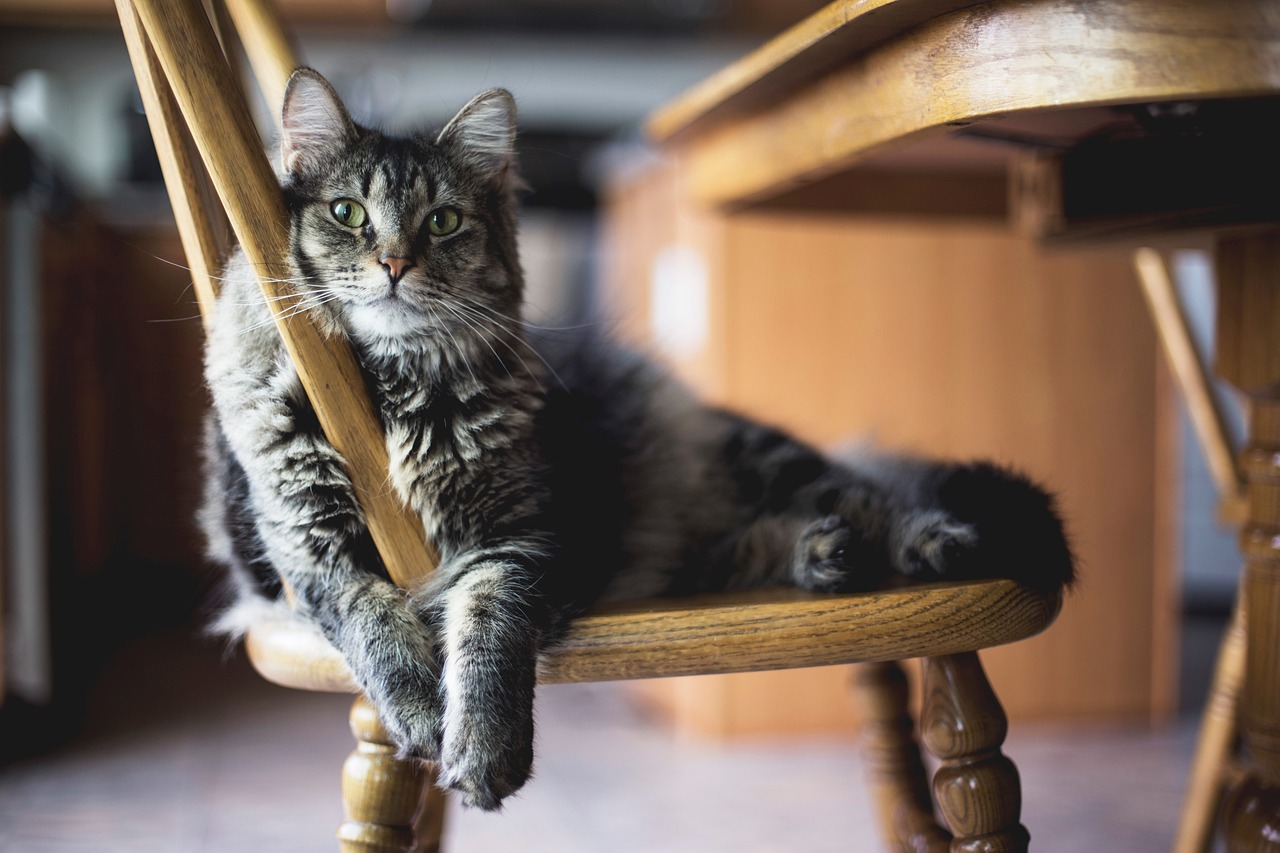

Arranging Your Furniture to Accommodate Your Cat
When welcoming a cat into your home, it is essential to arrange your furniture thoughtfully. Cats are adventurous creatures, and they enjoy exploring high places. Providing ample room for them to navigate without getting stuck is crucial. Start by analyzing your living space, noting where your furniture might cause obstacles. Cats typically appreciate having open pathways and areas for jumping. Ensure that the furniture layout allows them to hop from one surface to another, especially if you have tall cat trees or shelves. Make sure to consider cat-friendly materials that can withstand clawing, like upholstered furniture that is durable. You should also limit the number of small decor items on shelves where a cat might leap. Additionally, think about providing soft bedding options and cozy nooks where they can retreat. Creating a designated spot for the cat will provide them comfort and security. This can also minimize potential disputes with your other furnishings. Besides, designing your space with your cat’s needs in mind creates a harmonious atmosphere for everyone involved.
Another significant factor is ensuring that your living room and other common areas are cat-proof. Cats are naturally curious, and it’s essential to safeguard your belongings while accommodating your new pet. Start by selecting furniture with rounded edges to reduce injury risks. Move delicate or valuable items to higher places, away from curious paws that may knock them over. Placing heavy books or displays on more stable furniture reduces the risk of breakage. Furthermore, consider incorporating scratching posts or mats conveniently around furniture, which allows your feline friend to engage in natural behaviors without damaging your items. Designating areas for these posts can help keep them entertained and content. If you have plants, opt for cat-safe varieties, as some common household plants can be toxic to cats. Always research beforehand to retain a safe environment. Establishing boundaries and routes through your space will also allow your cat to feel secure. Cats thrive in environments where they can easily escape if something frightens them, which is why navigating furniture intelligently is necessary.
Flexible Furniture Arrangements
Flexibility in your furniture arrangement enables you to adapt your space over time to suit your cat’s needs. As they grow older, their adventures and activities may change, impacting how your home should be organized. Begin by examining furniture pieces that can be easily moved, such as lightweight chairs or ottomans. Keeping some areas adaptable allows you to create larger open spaces when needed. You might also consider investing in furniture that serves multiple purposes, such as storage ottomans or side tables that double as climbing spots. Cats appreciate being able to explore various levels, and low tables can be great platforms for them. Also, ensure that your seating arrangements maintain pathways allowing your cat unobstructed access to their favorite locations, with potential hiding spots nearby. These arrangements will ensure that your cat does not feel restricted. Ensuring that they have access to windows also allows for an enriched environment where they can observe wildlife outside. Models often change as your cat grows, ensuring a safe and happy space for your feline friends.
Including cat-friendly elements in your furniture layout will create a stimulating environment for your new pet. Consider placing their food and water dishes in easily accessible areas that are far from litter boxes. Keeping these essentials clean and away from smells improves their eating habits. Also, use elevated spaces like shelves to add climbing opportunities, stimulating their natural instincts. Cats enjoy perching on heights to observe their realm, significantly enhancing their well-being. Additional cat trees or wall shelves contribute to maximizing vertical space as well. You might also consider including cozy hideaways or bedding underneath furniture where they can retreat, fostering security and comfort. Moreover, keep wiring and cables out of reach to avoid potential hazards. Use cable management solutions to secure anything hanging or lying around your furniture. Don’t forget the significance of incorporating play areas in your layout, as they can be incredibly enriching for your pet. Toys should be scattered across the house to encourage exploration and interaction. This can help both cats and owners bond through play, making your home more enjoyable and cat-friendly.
Creating Safe Zones and Cozy Retreats
Providing safe zones within your home is vital for a new cat, as these spaces allow them to feel secure and comfortable. Designate specific areas that are quiet and induce relaxation, and make them more inviting by placing blankets or cushions down. Areas close to family activity might seem overwhelming, so consider spots less trafficked in your home; this could work best in basements or quiet corners. Avoid crafting elaborate hideaways that could block exits; open spaces create feelings of safety. Additionally, you can include soft lighting in specific zones to enhance the ambiance and comfortability for your cat. When your feline friend has the ability to retreat to cozy locations during louder moments, this can help in reducing stress levels. Many cats also enjoy warmth, so ensure to have blankets they can curl up in. Regularly check these areas for cleanliness and change bedding materials occasionally to maintain hygiene. Establishing cozy retreats also assists in behavioral training, as they can develop a strong connection with their environment while feeling safe and secure.
Furniture safety is overseen not just for the convenience of your cat but also for the longevity of your belongings. Using furniture anchors protects against tipping, ensuring the stability of shelves and cabinets. This is especially crucial if your cat is playful and tends to jump on surfaces. Assess your belongings continuously and ensure nothing is placed in a way that promotes accidents. Regularly inspect your furniture for wear and maintain it accordingly so that it lasts longer and remains safe for your pet. Incorporate mats or throw rugs to add comfort and traction across your floors, decreasing slips and falls. Regular dusting will also ensure fewer allergens remain in the air, allowing your cat to breathe easily. Promoting a safe space helps you create a nurturing atmosphere where your cat can explore and feel secure. This encouraging behavior will lead to happiness for your cat and reduced stress for you as an owner. Share experiences with your cat through comfort, acceptance, and learning to coexist harmoniously within your living space.
Conclusion: Cat-Centric Living
In conclusion, arranging your home to accommodate a cat requires a thoughtful approach that integrates considerations for safety and comfort. While you make your living space cat-centered, remain flexible and open to modifications as your cat settles in. Each cat has unique preferences, and understanding them will help you create a space where they can thrive. Open spaces, hideaways, and pathways ensure that your home becomes a delightful environment for exploration. It is crucial to seek harmony between your furniture arrangement and your furry friend’s needs. This symbiotic relationship can make your space intuitive for both you and your pet. The result will be a mutually enjoyable home where both pet and owner can coexist happily. Remember, taking care of these essentials contributes to your cat’s emotional stability and overall health. Keep an eye on potential hazards and consider their behavior carefully throughout the adaptation phase. With thoughtful planning and creativity, you can create a cat-friendly home environment that reflects both your personality and your pet’s needs.
As you reflect on the transformations of your living space, remember that your furry friend deserves the best. This journey is not solely about modifying your home, but also about embracing the companionship of a cat and the joy it can bring to everyday life. Observe and interact with your cat during this process, paying attention to its choices and tendencies. A successful cat-friendly environment grows from a blend of awareness, adaptation, and love. Transitioning to a cat-inclusive lifestyle might require some effort initially, but the rewards of companionship, love, and joy will far outweigh any inconveniences. By creating a welcoming atmosphere, you facilitate a bond that can grow immensely throughout the years. Remember, the arrangement of your home reflects your willingness to embrace this new addition into your life. Stay patient, as it will take time for both of you to adjust to the changes in routines. The love and commitment you show your pet will foster an ambiance that promotes happiness for years ahead.