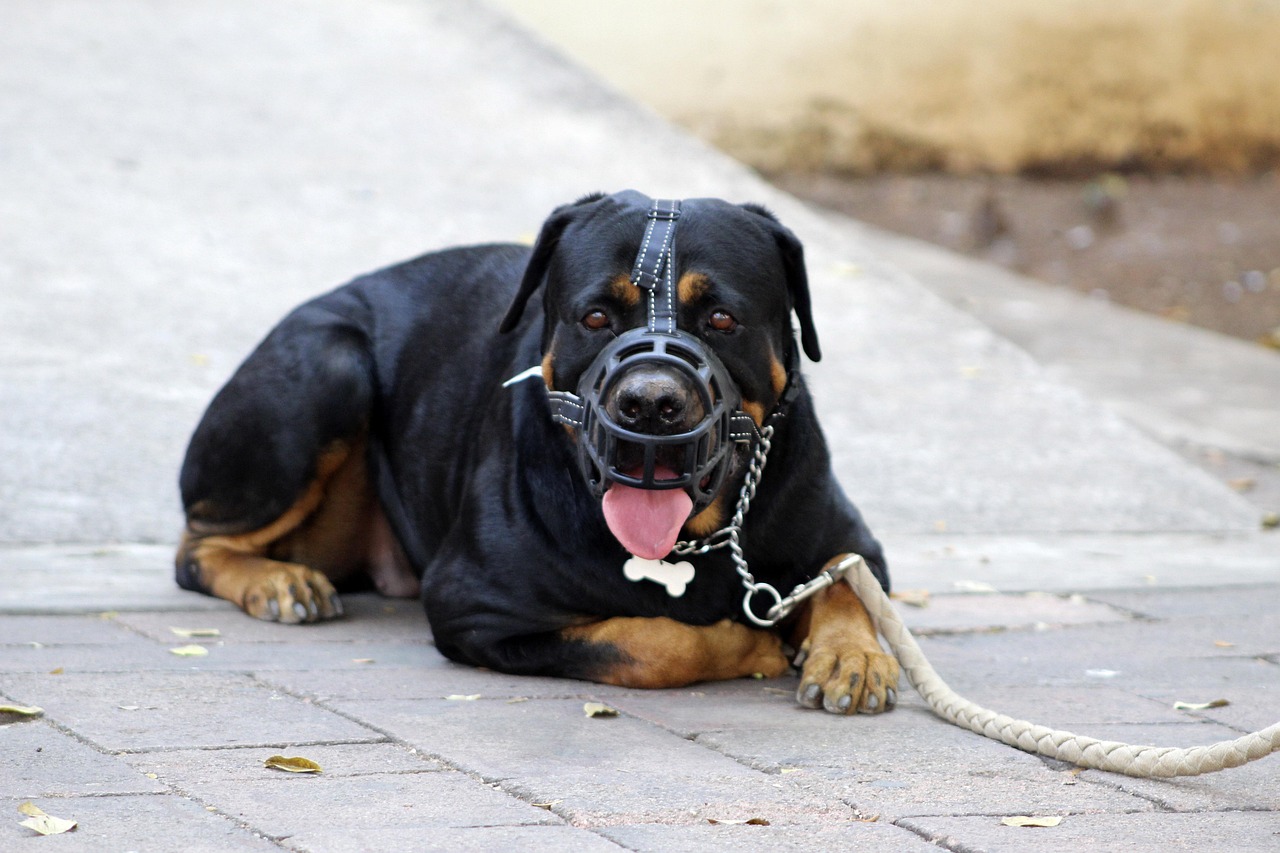

Training Tools to Prevent Aggressive Behavior in Dogs
Understanding aggressive behavior in dogs is crucial in ensuring their safety and that of others. Various factors, including genetics, environment, and lack of socialization, contribute to these tendencies. By identifying signs of aggression early, owners can implement effective strategies to mitigate risks. The first step involves recognizing common triggers, such as unfamiliar people or animals. Once identified, owners can utilize training tools that foster a peaceful coexistence between dogs and their surroundings. Essential tools include muzzles, which prevent biting while allowing for safe socialization. Leashes are vital for controlling a dog in public spaces, especially those prone to aggression. Training harnesses can provide added stability when correcting behavior. Additionally, consider using calming collars or sprays, which can reduce anxiety levels. Teaching commands such as ‘leave it’ and ‘sit’ can also be effective in redirecting a dog’s focus. Those transitioning from aggressive behavior should be patient and persistent. Professional training programs offer specialized approaches for handling aggression. Combining these tools creates a comprehensive safety plan, promoting a more harmonious environment for dogs and humans alike. Investing in training pays off significantly for all involved.
Effective Training Strategies
Incorporating effective training strategies can significantly minimize aggressive behavior in dogs. Positive reinforcement remains one of the most successful approaches, rewarding the dog for displaying desirable actions. Rewards can be treats, praise, or toys, depending on what motivates the specific dog. Consistency is crucial; training sessions should be brief and frequent, reinforcing desired behavior regularly. Gradually increasing the difficulty of commands helps the dog understand better what is expected of them. Socialization with other dogs is necessary for fostering friendliness and reducing fear or anxiety. Behavioral modification techniques should also be explored, focusing on desensitizing the dog to triggers that cause aggression. Controlled exposure to these triggers, coupled with reward-based training, can decrease reactivity over time. Maintaining a routine during walks, feeding, and play helps dogs feel secure and confident, reducing the likelihood of aggressive incidents. Enrichment activities, such as puzzle toys and interactive games, keep dogs engaged and mentally stimulated, which can alleviate frustration that may lead to aggression. Ultimately, patience and understanding will go a long way toward significant improvements in behavior, ensuring a better quality of life for dogs.
Another aspect of preventing aggressive behavior in dogs involves the choice of equipment and tools utilized during training. Selecting a proper collar or harness greatly impacts the dog’s comfort and ability to learn. The use of a head halter can provide added control without compromising the dog’s comfort. Ensure that leashes are of appropriate length and material; retractable leashes, while convenient, can lead to uncontrollable situations. Investing in high-quality equipment designed for strength and safety makes all the difference in training. For example, sturdy muzzles should be well-fitted and allow the dog to pant and drink while offering necessary protection. When introducing a muzzle, ensure the dog associates it with positive experiences, making it a valuable tool rather than a source of fear. Additionally, leash training should be conducted systematically, rewarding the dog for walking calmly beside the handler. Practice short excursions into environments where potential triggers exist, allowing dogs to learn appropriate responses gradually. Consistently introducing these tools in safe and controlled settings is essential, as it lays the groundwork for allows dogs to react appropriately in real-world situations, ensuring heightened safety.
The Role of Professional Help
In some instances, dog owners may find it challenging to manage aggression independently, prompting the need for professional guidance. Training classes conducted by experienced dog trainers can provide invaluable insights and specialized techniques tailored to a dog’s specific issues. When seeking out a trainer, prioritize those who use positive reinforcement strategies rather than aversive approaches, which may exacerbate fear and anxiety. Ensure the trainer has relevant experience with aggression and can demonstrate a successful track record. Group classes can also enhance social skills as dogs learn to interact positively with peers. If aggression is severe, consulting a veterinarian or a certified animal behaviorist might be necessary to rule out health issues. Proper diagnosis can reveal underlying conditions, allowing for a more comprehensive approach to treatment, including medication if needed. Collaboration with professionals ensures that training efforts align with an overall wellness plan. Furthermore, continuous evaluation and adjustment of training techniques can lead to long-term improvements. Consistent communication with trainers fosters better ownership practices and encourages owners to remain active in the process, ultimately leading to a well-adjusted dog.
What’s essential in dog training is not only the tools and strategies you employ but also the owner’s mindset and approach to training. Creating a positive environment contributes significantly to a dog’s success during the training process. Dogs thrive on consistency, patience, and love during challenging times. Owners should aim to be calm during training sessions, reflecting a composed demeanor that their dogs can mirror. Attention must also be given to the dog’s body language; signs of stress or discomfort should not be ignored. Giving them time to acclimate to different situations as training progresses can help alleviate pressure. Introducing gradual changes in their environment fosters adaptability and resilience, enhancing their ability to cope with stressors. Consistent feedback allows the dog to learn properly and reinforces their trust in their handler. Tracking progress through journals or apps can be beneficial for both owners and trainers. Observing improvements, however minor, serves as motivation to keep pursuing effective strategies. Remember, significant changes don’t happen overnight; dedication and understanding lead to enduring transformation, providing a secure, happy home for both owners and their beloved pets.
The Importance of Routine and Structure
Implementing a structured training routine greatly reduces instances of aggressive behavior in dogs. Dogs are creatures of habit and respond positively to established schedules for feeding, training, and exercise. Regular routines help dogs feel secure and reduce anxiety, which is often a precursor to aggression. Schedule training sessions at consistent times, ensuring dogs know what to expect. Incorporate simple commands into daily activities to reinforce learning organically. For example, asking a dog to sit before meals or during play can help establish authority and reinforce obedience. Exercise plays a crucial role in a dog’s ability to manage stress and frustration; regular walks, playtime, and mental stimulation reduce pent-up energy. Consider incorporating interactive toys that challenge your dog mentally, providing sufficient outlet off-leash. Extend the process of learning by introducing variations to these structures once your dog is comfortable with the basics. Consistent reinforcement of rules and boundaries fosters a respectful relationship. Ensuring you maintain established limits helps your dog recognize acceptable behavior while cultivating mutual trust. This foundational structure promotes cooperation and understanding between dogs and owners, creating an environment free from aggression.
Finally, developing effective communication between dogs and owners significantly impacts preventing aggressive behaviors. Understanding canine body language, vocalizations, and behaviors fosters a deeper bond. For instance, recognizing a dog’s fearful signals, such as growling or baring teeth, is essential to prevent dangerous situations. Owners must respond appropriately to these cues, redirecting dogs into more controlled environments if necessary. Employ signals like consistent commands and tone of voice to encourage obedience and cooperation. Inconsistent communication confuses dogs and can lead to frustration that may escalate into aggression. Use clear and direct commands to guide behavior effectively, allowing the dog to grasp the expected response. Regular feedback, whether verbal or physical, aids dogs in understanding their roles within the household. Always ensure positivity reigns in interactions; the more positive experiences a dog has, the less likely they are to react aggressively. Engage in quality bonding time with your dog, nurturing a healthy relationship based on trust and understanding. Ultimately, proactive measures taken now can yield lasting improvements in behavior, leading to a peaceful coexistence that benefits everyone involved.
Conclusion: Building a Safe Environment
Establishing a safe environment entails combining training techniques with comprehensive management strategies. As aggressive behavior often stems from anxiety or discomfort, addressing these underlying issues is critical. Utilizing appropriate training tools effectively, implementing routines, and fostering communication creates a foundation for long-term behavior improvement. Remember to be patient; behavioral change takes time. Regular socialization, coupled with positive reinforcement, helps breed confident dogs that can navigate various situations without resorting to aggression. Acknowledging each dog’s unique personality aids in creating tailored training regimens. Informed decisions about professional help ensure that accurate methods are employed in addressing aggression concerns. Owners must remain consistent and observant, adapting strategies as necessary to achieve optimal outcomes. Bear in mind that a well-adjusted dog reflects the owner’s dedication to training. Building a safe haven enables dogs to thrive while reducing risks to the community. Through effective training, understanding, and commitment, aggressive behaviors can be managed successfully. Ultimately, everyone stands to benefit from well-trained, well-socialized dogs in our neighborhoods. Your commitment to understanding your dog’s needs will ensure a harmonious existence for you and your furry friend.