
Safe Cleaning Products Around Cats: What You Need to Know
Cats are curious creatures, and it is crucial for cat owners to ensure a safe living environment for their feline companions. Many common household cleaning products pose hazards to cats, so understanding what to avoid is vital for every cat parent. Always read labels on cleaning supplies to assess their safety. Look for terms that indicate potential risk, such as “toxic” or “hazardous.” Instead of traditional cleaners, consider opting for natural alternatives. Vinegar and baking soda are excellent natural disinfectants that are much safer for pets. Moreover, ensure that all cleaning products are stored out of your cat’s reach, particularly under sinks or in cabinets. Cats can easily access low shelves or open cabinetry. Always take care to supervise them, especially after using chemical products. Ensure your home has adequate ventilation during and after cleaning, allowing harmful fumes to dissipate. You should also avoid products with strong scents, as they can irritate your cat’s respiratory system. Following these tips will help create a risk-free environment for your furry family member while maintaining cleanliness in your home. Adequately educate yourself about safe alternatives.
Avoiding Toxic Ingredients
Many cleaning products contain toxic ingredients that can harm cats, resulting in various health issues. Ingredients such as bleach, ammonia, and certain phenols are particularly dangerous. Avoid using any cleaning agent that lists these as major components. Instead, choose cleaning supplies labeled as non-toxic or pet-safe. When purchasing products, look for organic options that utilize natural ingredients. These items are generally less harmful to both animals and the environment. Additionally, you can make your own cleaning solutions at home using simple ingredients like water, vinegar, and lemon. These alternatives can effectively clean surfaces without posing a threat to your cat’s health. In addition to cleaning solutions, consider the implications of air fresheners and scented candles. Many contain hazardous compounds that can be detrimental to pets. If you must use them, make sure they are specifically marked as pet-friendly. If unsure about a product, contact the manufacturer for ingredient disclosure. Regularly check your storage for any outdated products that may become hazardous. Understanding these aspects will ensure you are well-prepared to keep your feline friend safe while maintaining a clean home.
While many commercial products may seem convenient, they often include unlisted ingredients that can impact your cat’s health. Always prioritize transparency in products you use. Look for reputable brands that provide full ingredient disclosure and prefer items with minimal synthetic additives. Furthermore, recognize that the cleaning effectiveness of your products doesn’t have to come at the expense of safety. Often, with a little ingenuity, you can find efficacious natural cleaning methods that pose no threats. For instance, a combination of vinegar and baking soda can help tackle tougher stains while being entirely safe around your cats. When shopping, also keep an eye out for specific certifications related to pet safety, such as those from The Humane Society or the ASPCA. These organizations often endorse products that meet strict safety criteria for pets. Remember to test any new product on a small area first to ensure it doesn’t cause adverse reactions in your animals. Lastly, train your cat to stay away from recently cleaned areas until they are dried and free from residues. Developing such habits ensures a sustainable relationship between cleanliness and the safety of your furry companions.
Understanding Labeling and Safety Seals
It is imperative for cat owners to become familiar with the labeling of the cleaning products they use. Products that are safe for pets will typically carry specific labels or seals indicating their pet-friendliness, giving consumers confidence in their choice. Check for certifications like the ‘USDA Organic’ or seals from pet safety organizations for reliable information. Verifying whether the products are biodegradable can also indicate whether they are less harmful to your home environment. Even if a product is labeled as “non-toxic,” ensure you read reviews and research user experiences. Forums and pet owner communities can provide invaluable insights into the real-world safety of these products. If you ever disconnect with what you find on a label, it’s wise to consult your veterinarian for specific advice regarding cleaning product safety. Regularly revisiting your cleaning routine and the products you utilize is a responsible practice that reflects your commitment to your pet’s wellbeing. Neglecting to update your knowledge can inadvertently expose your furry friends to hazards. Keep an open dialog with your veterinarian about pet-safe products, ensuring you stay informed and vigilant.
Long-lasting effects from harmful cleaning products can sometimes go unnoticed until it’s too late. Cats may show symptoms of distress through vomiting, lethargy, or changes in behavior. If any of these signs appear after cleaning, it is essential to contact your veterinarian immediately. Some cleaning agents can have adverse effects even if ingested in small amounts due to their potent formulas. Even if a product did not specifically target pets, reactions might still occur due to sensitivity in cats. To further reduce risks, dedicate certain areas of your home to cleaning without your cat’s presence, especially after using harsh chemicals. As an extra precaution, always schedule cleaning tasks when your feline friend is preoccupied, such as during food time or when playing. Furthermore, be conscious of leftover residues on surfaces that cats frequently come into contact with, such as counters or floors. Regularly check these areas for any lingering chemical smells or residues. Always allow cleaned surfaces sufficient drying time before letting your cats roam freely again. Following this guidance will minimize the likelihood of exposure to harmful substances while ensuring your home remains pristine.
Cleaning Fabric and Upholstery Safely
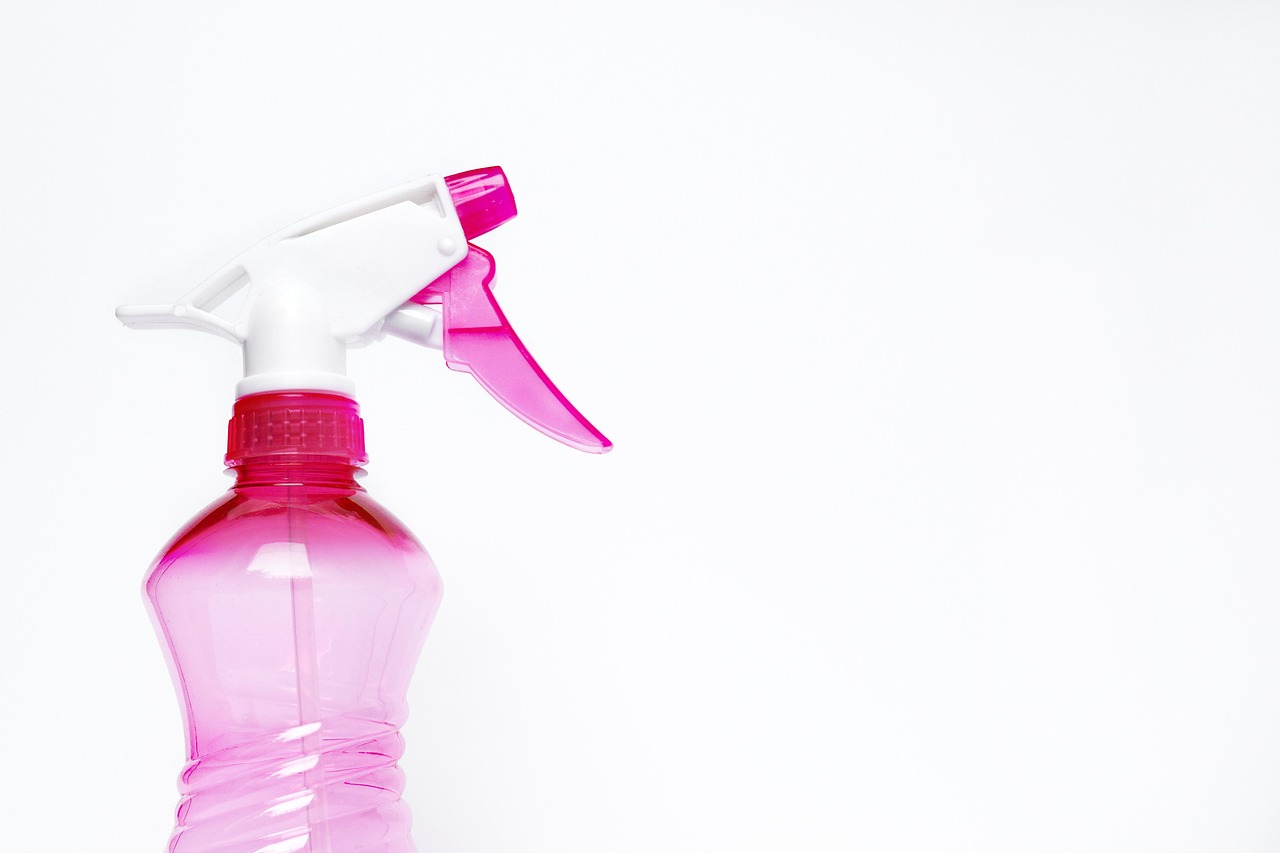
Fabric and upholstery present unique challenges for pet owners, particularly during cleaning. Many fabric cleaners contain harsh chemicals that can be harmful if ingested or inhaled by cats. Always seek out fabric cleaning solutions that are specified as pet-safe. When using these products, ensure the area is well-ventilated to minimize risks. Moreover, opt for spray cleaners that use natural ingredients to reduce chemical exposure. If you are unsure, test any new fabric cleaner on a small patch of your upholstery first. This way, you’ll prevent unwanted reactions on important furniture. Additionally, regularly review your upholstered items for signs of wear or damage, which could indicate the need for a more significant cleaning approach. If you must employ professional cleaning services, inform them you have pets and emphasize the use of non-toxic chemicals. An effective step is to plan cleaning sessions when your cats are away, minimizing their exposure to any products used. Allowing sufficient time for fabrics to dry after cleaning is also crucial. The well-being of your cats should always be a priority while preserving the aesthetic and hygiene of your home.
Cats can also be sensitive to the remnants of cleaning products on toys and other items they frequently interact with. Ensure to choose appropriately safe cleaning options for these vital components of their environment. Any product that promises exceptional results but contains hazardous substances should be scrutinized and often avoided. Instead, opt for safe cleaners specifically labeled for pet toys or select non-toxic alternatives. Regularly cleaning your cat’s toys with soap and water, or using natural detergents can mitigate the risk of health issues. It is also beneficial to routinely inspect each toy for any signs of wear, such as frayed edges or loose parts. Dispose of any toys that cannot be cleaned effectively or that show visible damage. Encouraging a healthy play environment ensures your cat remains engaged and safe simultaneously. Observing their patterns and preferences can also guide you in selecting suitable toys. Always aim to rotate toys to keep your feline friend mentally stimulated. By applying these strategies, you will create a comprehensive approach to cleaning your home while prioritizing both hygiene and the safety of your adored pets.
In conclusion, ensuring a safe environment for your cat in relation to cleaning products requires diligence and attention. Be proactive about understanding both the ingredients in the products used and the behaviors exhibited by your pets. Recognizing which items pose potential risks allows you to make informed choices. Always seek safe alternatives, and consult with professionals when in doubt. Educating yourself on effective methods and alternatives will help to create a home in which pets can thrive without unnecessary health risks. Meanwhile, maintaining a routine for extensive cleaning will ensure your home remains hygienic. Regular communication with other cat parents can also aid in sharing knowledge about safe cleaning practices. Set the standards high in your home, even while adopting greener choices in cleaning. Take pride in knowing your living space is safe for your beloved pet. Always remember that your actions directly influence their health and happiness. Let their needs guide you in maintaining cleanliness while prioritizing their safety. By implementing these practices, you can enjoy a welcoming space that is free from harmful chemicals and full of love.