
Safety Measures for Running with Multiple Dogs
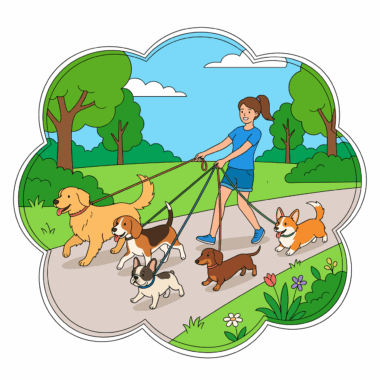
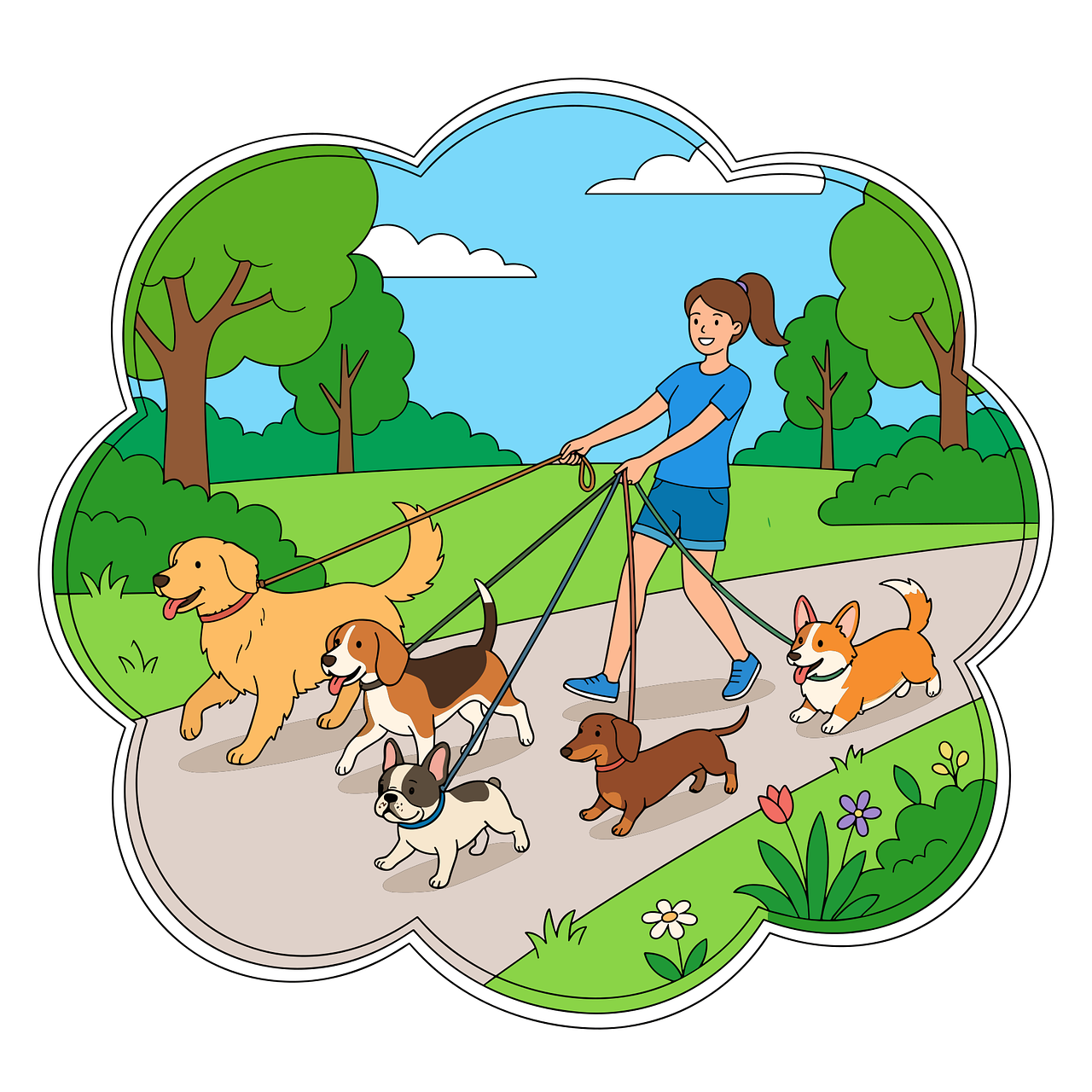
When exercising multiple dogs, safety should be the primary concern. Many aspects must be considered, from the dogs’ temperament to the environment in which you are exercising. Here are some essential practices to ensure a safe experience for both you and your pets. Start with the right equipment. Use sturdy leashes that can withstand pulling and consider using a multi-dog leash system for better control. Harnesses can also be beneficial for dogs that tend to pull. Before running, ensure that all dogs are well-socialized. Conduct an introductory session to evaluate how they interact and identify any potential conflicts. Practice commands like “heel” and “stay” so they understand their boundaries and your instructions. Always prioritize the environment you choose for exercise. Select a safe, enclosed area away from heavy traffic and potential hazards. Carry fresh water for hydration, as running may cause excessive panting and dehydration, so allow breaks when necessary. Lastly, stay vigilant about your surroundings. Look out for obstacles, other animals, or changes in surfaces to avoid slips or injuries. That way, you will ensure a fun and safe workout for everyone involved.
In addition to choosing the right location, it’s crucial to adapt the exercise routine according to each dog’s needs. Not all dogs require the same amount of exercise; consider their age, breed, and energy levels. Some dogs may be high-energy breeds that can run for quite some time, while others may prefer a more leisurely stroll. Try to schedule sessions focused on individual dogs sometimes to ensure that none feels overwhelmed or under-exercised. While exercising multiple dogs, consider implementing a buddy system. Pair dogs with similar temperaments and energy levels together. This helps create a balanced dynamic during the exercise. Be mindful of your dogs’ behavior and adjust accordingly; should any dog show signs of fatigue or discomfort, it is paramount to take a break. Watch out for positive body language cues among the dogs, like wagging tails or relaxed ears, indicating that they enjoy the experience. Besides physical exercise, consider including fun activities like fetch in a safe, secure area. This keeps the workout engaging while maintaining the dogs’ focus. With a little preparation, exercising dogs can become an exhilarating activity for everyone.
Observe Canine Behavior
Understanding dog behavior is vital for a successful exercise routine. Observing how dogs interact can provide insights into their compatibility and comfort levels. Even dogs that seemingly get along may have different play styles, affecting their overall behavior during exercise. Watch for cues that indicate stress or excitement. For example, a dog that frequently barks or lunges might signal anxiousness, while another that displays a relaxed body posture may be more at ease. Identifying these behaviors can help you gauge when to intervene. Frequent stopping to check on the dogs is also advisable. This ensures everyone remains content, preventing negative interactions. Create opportunities for breaks to recharge and hydrate. During breaks, assess their condition and engagement levels; this will indicate if the exercise session is effective and enjoyable. If you notice escalating tension between dogs, don’t hesitate to separate them and reassess the dynamics. Having a plan to manage conflicts and potential distractions like squirrels can be beneficial. Establish clear commands that indicate to the dogs to refocus whenever necessary. Prioritize their emotional well-being, as this contributes significantly to a positive exercise experience.
To emphasize the importance of safety measures, ensure that you are familiar with local leash laws and regulations. Compliance with these rules is essential when exercising in public areas and can help prevent accidents and misunderstandings with other dog owners. Make it a point to always have identification tags on the dogs’ collars. Additionally, consider microchipping them for added safety. This provides peace of mind should a dog escape the area. When preparing for outings, consider organizing your gear methodically. Always carry a first aid kit equipped to handle common canine injuries that may occur during exercise. Be prepared for mishaps that can happen, such as cuts or sprains. Knowing basic dog first aid can be invaluable in emergencies. Another safety aspect is monitoring the weather. High heat and extreme cold can be hazardous to dogs while active. Look for signs of heat exhaustion or frostbite risk; if temperatures become extreme, scale back or shorten the exercise routine. Every season offers unique challenges, but adequate preparation ensures your dogs remain healthy and happy throughout their outdoor activities. Staying proactive is always preferable to addressing issues reactively.
Creating a Positive Environment
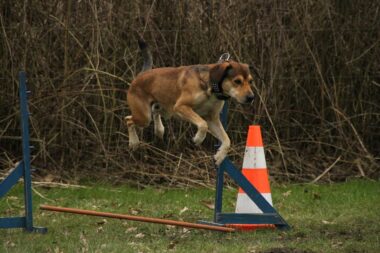
A crucial safety measure while exercising multiple dogs is creating a positive environment. This involves understanding each dog’s behavioral tendencies and ensuring that they feel relaxed and secure. Dogs that are anxious or fearful may act unpredictably, leading to potential accidents. Consistent positive reinforcement when they display desired behaviors can enhance their confidence. When exercising, use treats or verbal praise to reward them, helping forge a strong bond between you and your pets. Appreciating their efforts and encouraging good manners among them also promotes positive behavior. Incorporate elements that engage their mind as well as their body—hide-and-seek games or simple agility exercises can keep them focused and entertained. It’s essential to introduce new experiences gradually. New environments, sounds, and other animals can be overwhelming; easing them into these situations will help. Furthermore, ensuring that all your dogs know your commands can facilitate a smoother session. This familiarity creates stability for the dogs and fosters safety. Also, consider inviting another experienced dog owner along. Having an extra set of hands can ease the pressure and adds social interaction for the dogs during the outing.
Always prioritize health checks before engaging in exercises. Consult with your veterinarian regarding the physical limits of each dog. Different breeds have varying exercise requirements; some may have specific health conditions that affect their ability to participate in intense activities. Mandatory regular veterinary check-ups can help preempt any concerns that may arise during exercise routines. Additionally, vaccinations and parasite prevention should be current to ensure the well-being of pets while outdoors. This approach protects not only your dogs but also others they may interact with. A well-developed exercise schedule should be a key strategy. Establishing routines can help dogs understand what to expect and when. Predictability in exercise frequency and duration can reduce anxiety. The schedule should adapt to growing or changing skill levels, providing newer challenges on a gradual basis to stimulate them mentally and physically. Dogs thrive on learning new skills, and varying activities can offer ample opportunity for this. Including toy-like elements in your exercise sessions, such as frisbees or balls, can also enhance the experience for both dogs and their owner while promoting good behavior.
Concluding Thoughts on Safety
To wrap up, establishing a safe environment for exercising multiple dogs is essential for a healthy relationship. Integration of all the discussed techniques presents an opportunity to enrich your dog’s life while keeping them secure. Following the outlined safety measures can minimize risks associated with exercising multiple dogs. Remain vigilant during exercise sessions, paying close attention to each dog’s individual needs and body language. Maintain a positive rapport and reassure them through rewards or encouragement. Should conflicts arise, be prepared to manage them calmly and efficiently. Engage in regular training that reinforces commands hastily should distractions occur. At the end of your exercise routine, allow for cooldowns and hydration, ensuring their recovery is as essential as the activity itself. Post-exercise evaluations are also beneficial. Consider what went well and areas where improvements can be made for future outings. Reflecting on these experiences will only enhance the overall interaction between your dogs. A consistent approach leads to safe, enjoyable exercise sessions while solidifying the bond between you and your dogs which creates a lasting positive impact. Making these adjustments will lead to better handling when running with multiple dogs.
Finally, documenting your experiences can also help guide future outings. Keeping a journal helps keep track of best practices and lessons learned. Even sharing insights with other dog owners in your community can foster a caring environment for responsible dog ownership. Experience grows through shared stories which can benefit everyone in the long term. Utilizing social media platforms for this purpose can also cultivate community awareness on safe dog exercise practices. Your dog exercise experience becomes an active part of creating improved practices within the community. By ensuring your dogs have a fun environment reduces the likelihood of accidents occurring. Their happiness is paramount and positively reflects on your efforts as an owner. These meaningful moments enhance the joy of exercising dogs together. With careful planning, you can pave the way for extended adventures with your canine friends. Consequently, embracing safety measures while executing these sessions enriches every participant involved. In the long run, the investment in their health and safety leads to countless joyful experiences together which further fosters the bond shared. Through thoughtful adjustments to your routines, you create an inviting atmosphere that makes exercise fulfilling for everyone.