
Ear Mites vs. Other Ear Infections: What’s the Difference?
Ear mites and other ear infections are common health issues in pets, particularly in dogs and cats. Ear mites are tiny parasites known scientifically as Otodectes cynotis. They live in the ear canal, causing irritation and leading to discomfort. This infestation is more common in younger pets and has distinct symptoms ranging from waxy, dark discharge in the ears to excessive scratching by the animal trying to alleviate the itching. On the other hand, ear infections can be caused by bacteria, yeast, or allergies. This kind of infection can manifest as a foul odor or swelling in the ear canal. While both conditions may present with similar signs such as shaking of the head or sensitivity, the underlying causes differ significantly. To diagnose these issues accurately, a veterinarian usually performs a thorough examination. They can determine whether the issue is due to parasites like ear mites or infections caused by more severe underlying problems. Treatment options also vary, ranging from antiparasitic medications to antibiotic or antifungal therapies depending on the diagnosis.
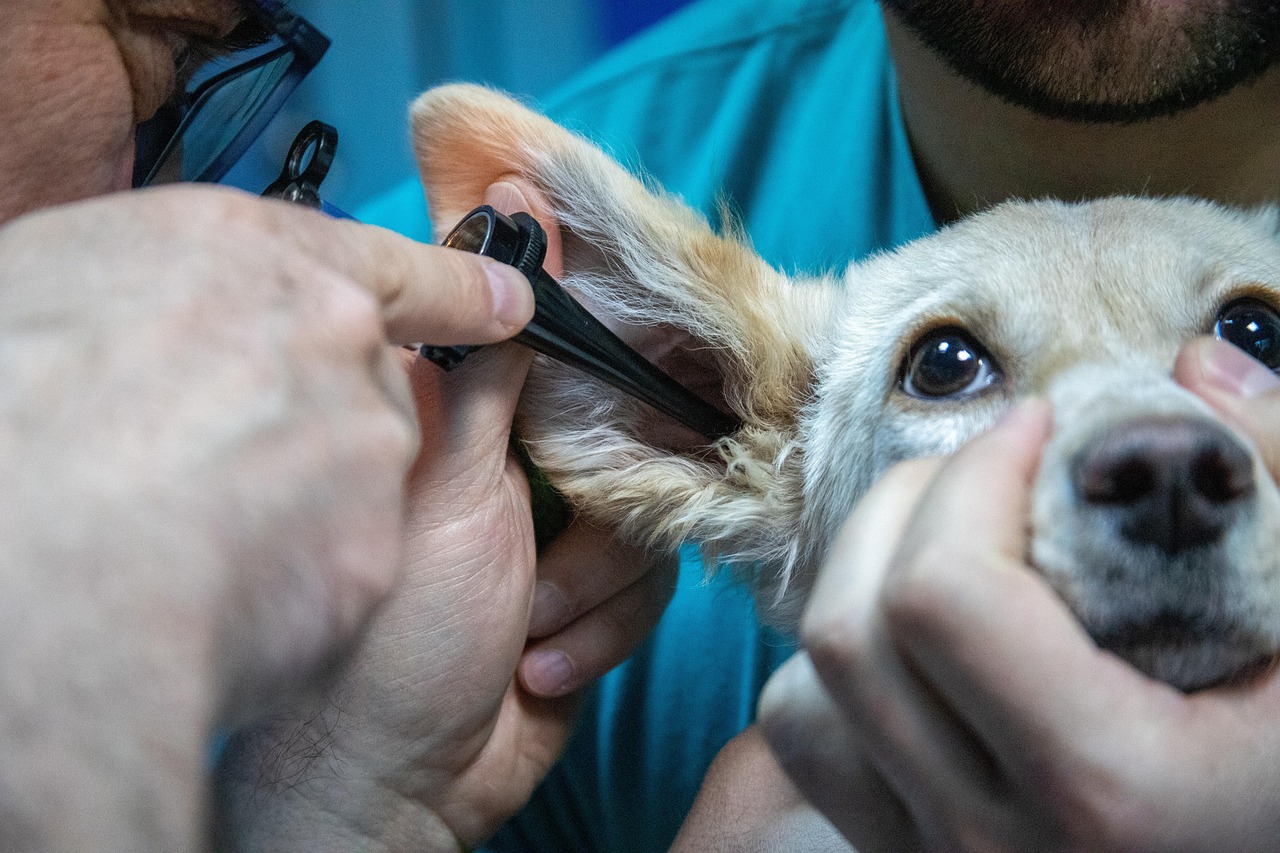
In diagnosing ear mites, the veterinarian will often use an otoscope to inspect the dog’s ears thoroughly. This tool allows for a close look at the ear canal. A veterinarian may also take a sample of the ear discharge to determine the presence of mites under a microscope. This testing helps confirm an infestation of ear mites. In contrast, ear infections require different diagnostic approaches, frequently involving swab tests and cultures. These tests can help identify the specific bacteria or fungi responsible for the infection. Treatment for ear mites generally involves applying topical medications or giving oral antiparasitic medications. On the other hand, ear infections often require a combination of cleaning solutions to clear debris and prescribed medications like antibiotics. Home care can also vary significantly between the two conditions. In cases of ear mites, regular cleaning and monitoring can enhance treatment effectiveness. For infections, keeping the ear dry and clean is vital to prevent recurrence. Because ear infections can often be recurring, owners should be vigilant about their pet’s ear health and seek veterinary care promptly.
Symptoms of Ear Mites
Recognizing the symptoms of ear mites is essential for timely intervention and relief for your pet. Dogs suffering from ear mite infestations often display a range of behavioral signs indicating discomfort. You might notice them shaking their heads frequently as they try to shake off the irritation caused by the mites. Additionally, excessive scratching at their ears is a common response to the intense itching these parasites cause. If you observe dark, coffee-ground-like debris in your pet’s ears, this can be a telltale sign of ear mites. Furthermore, some dogs might exhibit a strong odor emanating from the ears, which is another reason to consult a vet immediately. In contrast, ear infections might present symptoms differently. These could include swelling of the ear canal, discharge that may vary in color, and even odors that are unpleasant and distinct from ear mite infestations. There can also be a more profound degree of discomfort, such as lethargy or changes in appetite in some cases. Understanding these signs will empower pet owners to seek timely veterinary assistance when symptoms arise.
Regular ear checks can help in early detection of both ear mites and infections, ensuring that your pet remains comfortable and healthy. After noticing symptoms, it’s not advisable to attempt treatment without a professional diagnosis, as incorrect treatment can exacerbate the condition. Additionally, when addressing ear mite infestations, pet owners should consider all pets in the household. Mites are highly contagious and can easily spread among animals, requiring simultaneous treatment for everyone involved. Therefore, consulting your veterinarian will provide the necessary guidance on how to handle and treat ear issues effectively. For comprehensive care, your vet might recommend preventative measures post-treatment. Regular ear cleaning can help minimize the risk for both ear mites and infections, especially if your pet is prone to such problems. This cleaning should be done with vet-recommended solutions to avoid causing further irritation. Also, observe your pet’s behavior for any changes, and report them during follow-up appointments. This ongoing monitoring will contribute to your pet’s overall welfare and can help manage ear health long-term.
Ear Infection Risk Factors
Several risk factors may contribute to the propensity of ear infections in dogs. One significant aspect is ear anatomy; dogs with floppy ears, like Cocker Spaniels, tend to be more susceptible to developing infections compared to those with erect ears. The contained ear canal allows moisture to build up, promoting the perfect environment for bacteria and yeast to flourish. Additionally, allergies, whether environmental or food-related, may increase the likelihood of infections. Allergies often lead to inflammation and produce excess wax, which can trap moisture. Frequent swimming or bathing can also create an ideal breeding ground for these infections. Regularly drying the ears after such activities is crucial in preventing further health issues. Furthermore, underlying health conditions such as hormonal imbalances or skin diseases can likewise pave the way for recurrent infections. Hence, it’s important for pet owners to stay informed about these risk factors. Early detection and management of these issues can drastically reduce the chances of ear infections, sparing your pet unnecessary discomfort and frequent vet visits.
Particularly, understanding your dog’s risk profile can help equip you with knowledge on how to keep their ears healthy. Grooming practices play a significant role in maintaining ear health. Regular, gentle cleaning with vet-approved solutions can help prevent the buildup of wax or debris. Keeping your dog’s ears clean and well-ventilated helps reduce moisture accumulation after swimming or bathing, decreasing the risk of infection. Furthermore, if your dog has a history of ear issues, consult with your veterinarian about a preventive regimen tailored to your dog’s needs. This may include scheduled ear cleanings and check-ups to maintain ear health proactively. Understanding that prevention is often easier than treatment can lead to long-term wellness for your pet. Moreover, if your pet shows signs of discomfort or any recurring symptoms, never hesitate to reach out to your vet. Staying vigilant and proactive can prevent small issues from escalating into more complicated health problems for your furry friend.
Preventative Care Tips
Preventing ear mite infestations and infections requires consistent efforts and attention to your dog’s ear health. Regular ear cleanings are fundamental, especially for breeds prone to ear issues. This means gently cleaning the outer ear with vet-approved solutions and only as directed. Avoid inserting anything deep into your dog’s ear canal, as this can damage the sensitive structures inside and worsen existing conditions. Ensure your pet’s living environment is clean and hygienic, as dirt and debris can foster parasitic and bacterial growth. In addition to routine cleaning, monitoring the behavior of your dog is crucial; changes might indicate emerging problems. This includes any increased discomfort, sensitivity, or odd noises coming from your pet. On a broader scale, it’s advisable to maintain regular veterinary check-ups that allow for thorough examinations of your pet’s overall health. Vaccination and treatment of any allergies should be discussed to avoid potential triggers of ear issues. By providing a proactive care routine, you can significantly enhance your dog’s quality of life while also protecting them from discomfort and the risk of severe infections.
Moreover, speaking with your veterinarian about nutritional strategies can play a role in managing ear health. High-quality diets tailored to your pet’s health can reduce inflammation and ultimately lessen the risk of ear infections. Discussing a hypoallergenic food option might be beneficial, especially if your dog has shown sensitivities. Regular vet consultations enable you to address any concerns. It’s crucial to establish a trusting relationship with your veterinarian, ensuring that you can communicate openly about your pet’s ear health. Remember, each dog is unique, and preventive care strategies should be based on their specific needs. Consistent preventive measures will not only safeguard your dog’s ear health but also contribute considerably to their overall well-being. Understanding how ear mites and infections differ will help in proper identification, treatment, and ultimately minimizing health risks. By being informed and attentive, you can provide the best possible care, allowing your pet to live a comfortable, healthy life without the nagging issues that these conditions often bring.