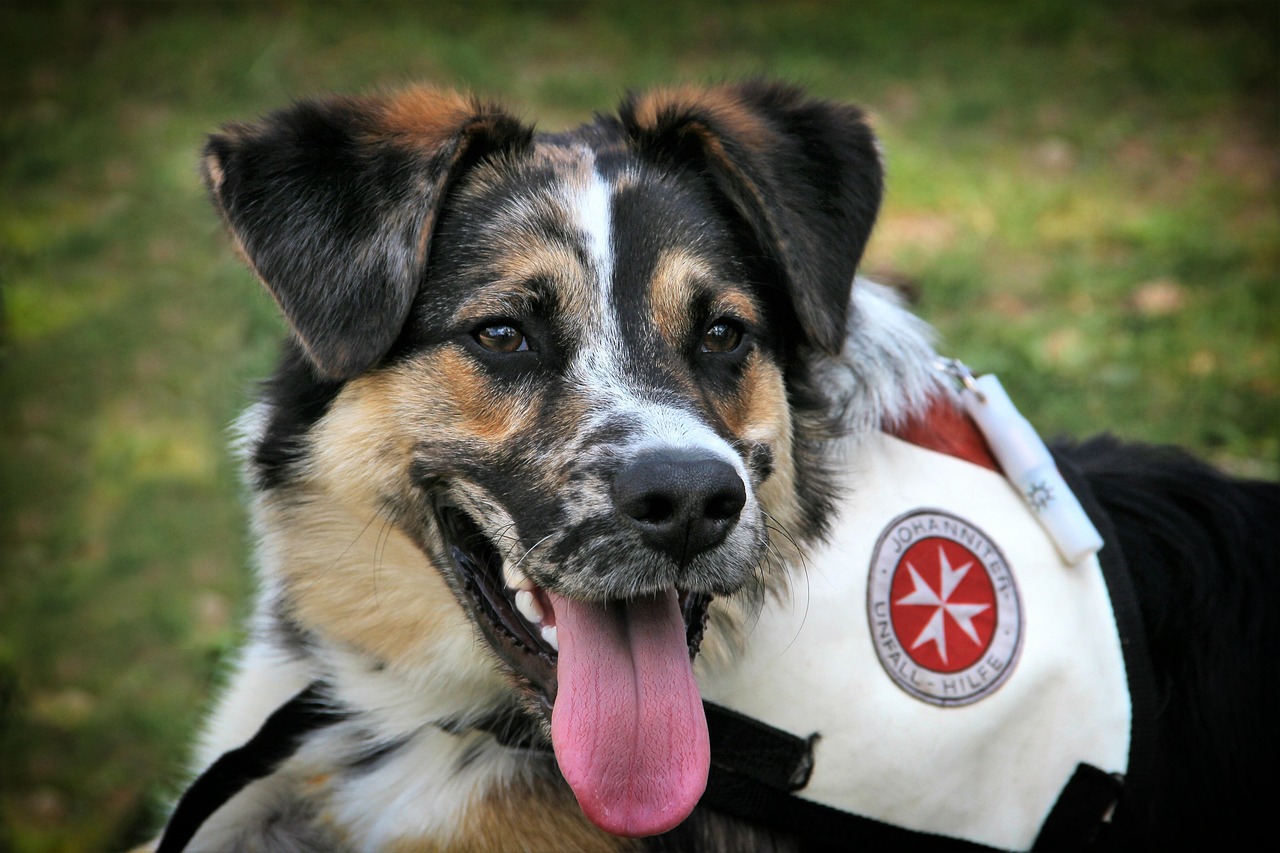

The Benefits of Group Training Sessions for Rescue Dogs
Group training sessions offer numerous advantages for rescue dogs, promoting socialization and interaction. These sessions create an environment that encourages positive behaviors among dogs, helping them learn to interact with peers. Additionally, the presence of other dogs helps stimulate their instincts, encouraging them to engage and communicate. Furthermore, group dynamics enable trainers to observe how dogs react to distractions, essential for building their confidence. In these training scenarios, dogs can also learn from each other, mimicking good behaviors while subtracting disruptive ones. The guidance of the trainer reinforces these behaviors, which vary throughout each session for diverse learning opportunities. When rescue dogs are trained in a group, they often become more adaptable to various situations, which is crucial for their mental development. Lastly, group training fosters a sense of community among dog owners, providing valuable networking chances. This connection can lead to sharing experiences, resources, and tips to help with dog training challenges. Embracing the group training approach can lead to significant improvements in rescue dogs, benefiting both the dogs and their owners in numerous ways. Ultimately, these experiences build trust and create a stronger human-animal bond.
Enhanced Social Skills through Group Sessions
Participating in group training promotes enhanced social skills in rescue dogs, leading to better behavior overall. Rescue dogs often come from challenging backgrounds, needing help learning appropriate social interactions. By engaging in group sessions, these dogs get the opportunity to practice socializing in a controlled environment. Regular exposure to other dogs during training helps rescue dogs overcome fear and anxiety. Dogs learn better coping mechanisms when encountering new dogs and situations. Trainers can use various techniques to facilitate positive interactions, focusing on rewarding good behavior. As the dogs become more sociable, they also exhibit less aggressive behavior over time. Improved social skills benefit not only the dog but also the owner, as a well-behaved dog is easier to manage. Additionally, these skills can reduce the likelihood of dogs developing behavioral issues in the future. It is critical owners invest in training programs that emphasize socialization during early stages. Owners and dogs are building a foundation for success when they participate in such classes. Consequently, the increased comfort level can lead to more enjoyable outings for both participants in the class, forging positive associations with other dogs.
Building trust and understanding between rescuers and dogs is essential for successful training. Group training sessions are effective in fostering this crucial bond. The communal atmosphere allows multiple handlers to support their dogs in a team-oriented environment. Dogs learn to rely on their handlers while observing their peers. This trust-building process can take time, especially for frightened or traumatized rescue dogs. However, a group setting provides the necessary encouragement and reinforcement for each dog. Trainers can use positive reinforcement techniques to boost confidence levels and eliminate fear behaviors. Additionally, insightful trainers can tailor their approach for each dog based on individual needs. Owners can gain valuable insights into their dogs’ behaviors by observing their interactions with others. As dogs begin to thrive within this group dynamic, they build a stronger attachment to their owners. Successful training sessions generate a shared sense of accomplishment that can elevate the owner’s confidence as well. The rewarding experience of developing a secure connection between dog and owner enhances the bond that is essential for long-term success. Trust is a crucial element that can significantly influence a dog’s willingness to learn and adapt to new situations.
Improvement in Focus and Concentration
Group training sessions enhance focus and concentration levels in rescue dogs, a vital aspect of effective training. In a controlled group setting, distractions are expertly managed, allowing dogs to concentrate on their tasks. By practicing commands amid peers, a dog learns to ignore distractions while honing its listening skills. This practice significantly improves the dog’s ability to focus, making them more responsive to their handler’s instructions. Increased focus during training translates into better behavior outside the classroom as dogs become accustomed to ignoring distractions in real-world scenarios. To reinforce these skills, trainers often introduce various activities, encouraging focus in playful yet structured ways. Engaging drills and exercises stimulate the dogs mentally while building their confidence. Additionally, dogs recognize the importance of maintaining focus during these sessions, which yields long-term benefits. Since rescue dogs may initially struggle with maintaining concentration, structured group training helps them develop patience and understanding. As their attention spans improve, handlers also find easier communication with their dogs. Implementing focus-driven activities in everyday training routines enhances the chances of reliable behavior, contributing to the dog’s overall success.
Group training sessions create enjoyable experiences enriched with social interaction for rescue dogs. Dogs learn not only from their trainers but also through interactions with their fellow canines. It allows rescue dogs to engage in playful activities, transforming what could be a daunting experience into one filled with enjoyment. Effective trainers can seamlessly integrate play with training, ensuring that dogs view learning positively. A happy dog is more likely to be open to learning, making training sessions easier and more productive. Additionally, the fun environment encourages dogs to adopt a more playful and enthusiastic attitude. Owners who participate in class also have the chance to forge connections with other dog lovers, cultivating a lasting community. The friendships formed during these interactions create feelings of support and encouragement for both owners and dogs alike. Soon, group training transforms into a social outing that fosters a sense of belonging. The shared joy in mastering new commands often leads to a sense of achievement, sparking further enthusiasm for training. As rescue dogs associate learning with positive experiences, they are often more motivated to engage in future sessions.
Developing Teamwork and Leadership Skills
In group training sessions, rescue dogs have opportunities to develop essential teamwork and leadership skills. These skills are crucial not only in dog training but also in their everyday interactions with humans and other animals. Dogs learn to work together with their owners, responding effectively to commands and cues. In the group setting, individuals can observe and learn from one another, helping create a more collaborative approach to training. Successful teamwork relies on communication and trust between the dog and its handler. When both parties rely on each other, they grow into a harmonious partnership. Additionally, trainers often emphasize the importance of structure and routine, helping dogs succeed through consistent reinforcement. The ability to follow commands given independently fosters leadership qualities, which can be beneficial in various scenarios. Dogs that exhibit strong leadership characteristics can transition smoothly into more complex training that involves advanced commands. Furthermore, group training sessions allow for gradual exposure to leadership roles, enabling dogs to take on responsibilities appropriately. This development enhances the bond between dogs and owners, leading to improved performance in everyday situations that involve teamwork.
Ultimately, group training sessions provide a multifaceted approach to training rescue dogs effectively. The advantages extend beyond simply learning commands, fostering social skills, focus, trust, and teamwork. Embracing group training allows rescue dog owners to optimize their dog’s learning while creating a positive environment. Over time, consistent group sessions can lead to lasting behavioral changes that significantly improve a dog’s life quality. Additionally, owners benefit immensely from the sense of community created through these interactions. Having access to a support system of fellow dog owners can alleviate feelings of isolation that may accompany rescue dog ownership. The shared challenges and triumphs during training sessions can deepen bonds between community members. Thus, group training can also enhance a dog’s adaptability to numerous social situations. This adaptability translates into enriching experiences that allow dogs to thrive in various environments. Ongoing participation in group training helps reinforce the valuable lessons learned while building strong connections between dogs and their owners. Consequently, investing in group training sessions can yield positive outcomes, ultimately contributing to the happiness and success of both rescue dogs and their humans.