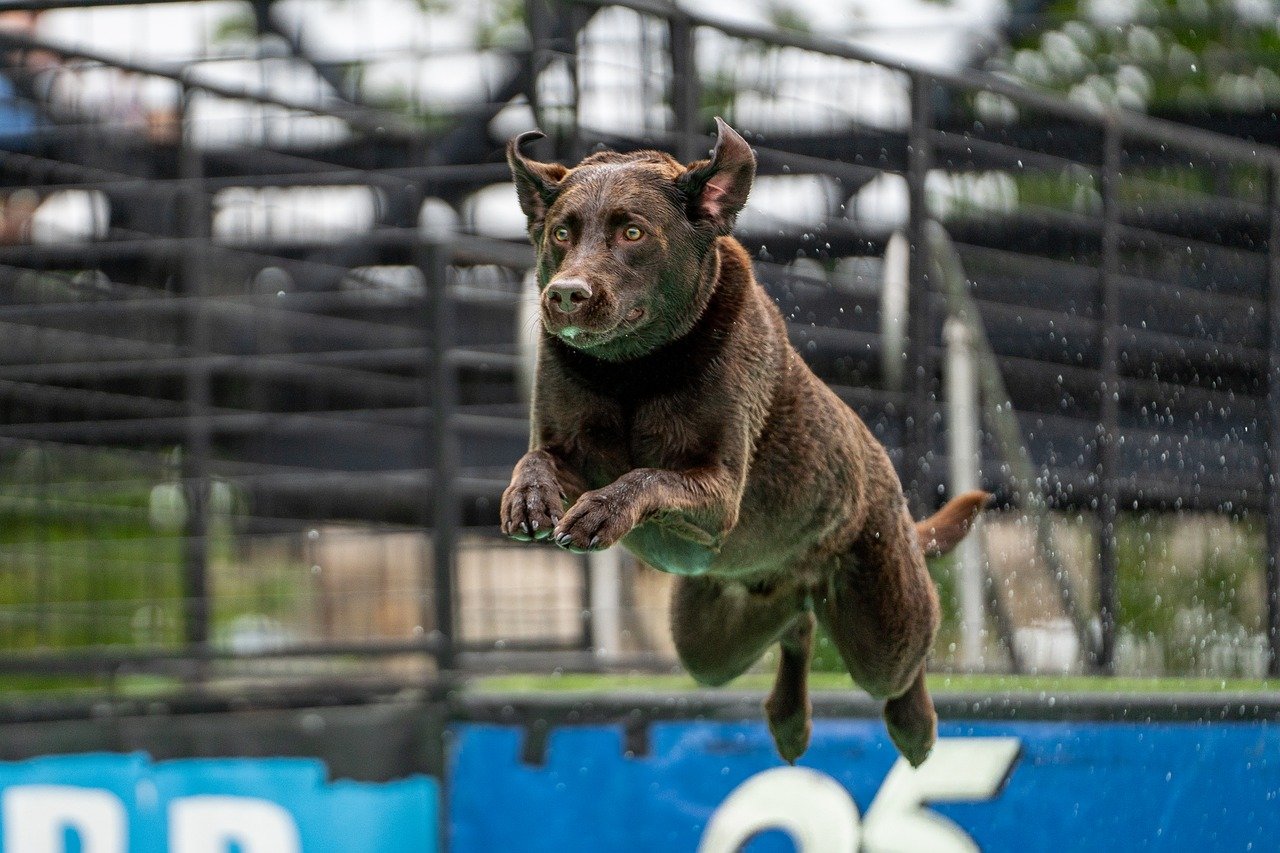

Nutrition Tips to Support Active Sporting Dogs
When it comes to keeping active sporting dogs healthy, nutrition plays a vital role. High-energy dogs require food rich in proteins, healthy fats, and carbohydrates to sustain their performance. Meeting their dietary needs can enhance their stamina, strength, and overall well-being. Dog owners should consider high-quality dog foods that contain specific ingredients known to fuel athleticism. Look for brands that provide supplements tailored to active dogs, which ensure they get essential amino acids and fatty acids. A good ratio of protein to fat should also be emphasized, with recommendations often suggesting 25% protein and 15% fat. Hydration is equally important; active dogs need ample access to fresh water before, during, and after intense exercise. Supplements like omega-3 fatty acids can also support joint health, crucial for dogs engaging in physically demanding activities. Planning meals around their training schedule can help optimize performance. Additionally, avoid feeding them right before exercising to prevent gastrointestinal distress. Post-exercise meals should include carbohydrates to replenish glycogen stores. Keeping track of their weight and adjusting portions based on activity levels is equally essential to prevent obesity. Proper nutrition will ensure dogs remain fit and competitive while enjoying their sports.
Regularly incorporating variety in their meals can also be beneficial, as different protein sources offer diverse amino acids. You can include fish, chicken, beef, and even plant-based proteins for balanced nutrition. Alternately, consider using supplements to provide additional nutritional support if you are concerned about their diet. Products specially designed for high-performance dogs can offer targeted benefits, especially during training seasons. Furthermore, introduce any diet changes gradually to avoid upsetting their digestive system. Monitoring their energy levels and adjusting their caloric intake as needed will let the owner know how well their nutrition strategy works. Pay close attention to any physical changes or behavioral shifts, as these may indicate dietary concerns. Consultation with a veterinarian or canine nutritionist can help you pinpoint the right diet specifically for your dog’s needs. It’s advisable to use treats wisely; ensure they are low in calories but high in nutrients when training. Some dog coaches suggest integrating healthy snacks that mimic the macronutrient balance of their main meals. Utilizing fruits and vegetables not only provides essential vitamins but adds fiber to aid digestion. Striking a balance between performance and health is vital in any sporting venture.
Choosing the Right Supplements
Choosing the right supplements can create a significant difference in a sporting dog’s performance. Natural supplements like glucosamine and chondroitin support joint health, offering protection during high-impact activities. Omega-3 fatty acids both aid in reducing inflammation and promote overall cardiovascular health—the perfect combination for active canines. When considering a supplement, opting for high-quality brands that prioritize bioavailability ensures that your dog efficiently absorbs the nutrients. Additionally, read labels carefully; many products contain fillers or unnecessary additives that may not benefit your dog. Be cautious with herbal supplements and consult your veterinarian before introducing them. They can assess the potential benefits or risks based on your dog’s health history and specific needs. Furthermore, probiotics are another excellent addition; they work wonders in promoting gastrointestinal health. A healthy gut is essential for optimal nutrient absorption, directly influencing performance and energy levels. Always observe your dog’s responses after adding any new supplement. If you notice any adverse reactions such as gastrointestinal upset or changes in behavior, discontinue use immediately and consult with a vet. Prioritizing nutritional support enables the best possible outcomes for your dog’s sporting endeavors.
To ensure your dog performs at peak levels, consider customizing feeding schedules based on their activity levels. Feed your dog throughout the day instead of just before or after exercising; this can be helpful in stabilizing energy levels. Also, choose the right time when your dog’s metabolism is most active, usually before training sessions. Hydration is just as important as nutrition, so be meticulous about your dog’s water consumption. Dehydration can seriously impair performance and recovery. Include electrolyte-replenishing drinks designed specifically for dogs engaged in high-intensity sports following vigorous activities, as they can help replace lost minerals. Some owners find success in diluting the dog’s usual water with isotonic solutions during hot weather or extended physical activity. Inevitably, weigh the pros and cons of any additional products against your dog’s specific needs. If opting for commercial sports drinks for dogs, ensure they are low in calories yet rich in beneficial nutrients. Last but not least, plan any nutritional changes according to your training schedule, allowing time for your dog to adapt. Integrated hydration and nutrition significantly boost athletic performance, positively impacting overall well-being.
Feeding Practices Before and After Training
Understanding feeding practices before and after training is crucial for success in dog sports. It’s generally recommended that you feed your dog at least two to three hours before the performance to allow digestion. This timing can prevent gastrointestinal issues like bloating during intense exercising routines. Alternately, small snacks can be offered 30 minutes prior, focusing on carbohydrates for quick energy. However, avoid heavy meals right before exercise, as these can slow dogs down. After an intense workout, focus on providing water for hydration first. Once your dog is hydrated, offer a light meal rich in proteins and carbohydrates to aid recovery. Foods containing antioxidants can help reduce inflammation and speed up recovery times. Allow a resting period post-exercise before introducing solid meals, as this lets your dog cool down. Always watch your dog’s behavior and comfort during feeding times. If they appear disinterested in food after workouts, this could indicate fatigue or stress. Developing a consistent feeding routine allows your dog’s body to adapt to physical demands, ensuring they are always ready for their next challenge. Lastly, consider discussing these adjustments with a professional vet or canine nutritionist for optimal guidance.
Remember that every dog is unique in its nutritional requirements depending on their breed, age, weight, and activity levels. Regularly consult with professionals to assess any adjustments needed in diet or feeding schedules. Keeping track of your dog’s weight through physical activity and maintaining a nutrition diary can help gauge health trends over time. This allows owners to see how different foods or feeding practices affect their dog’s performance. Also, there may be special considerations based on specific sporting activities involved. A dog involved in agility training may have different needs compared to one participating in endurance sports. As such, specialized nutritional strategies may enhance their performance and health significantly. Ultimately, monitoring your dog’s physical condition and being proactive with their diet helps keep them and you moving towards your sporting goals together. Engaging with groups focused on canine sports can provide additional insights and strategies that other owners have successfully implemented. With constant learning and adjustment, you can optimize your dog’s nutrition for the best athletic experience possible.
Conclusion
In conclusion, providing the right nutrition for active sporting dogs is essential for athletes to perform at their best. This requires careful planning and consideration of their unique dietary needs. Owners can make effective decisions regarding food and supplements to support both energy and recovery. Always prioritize high-quality ingredients and avoid fillers or unknown additives. Incorporating a variety of protein sources and planning feeding times according to their training schedules can motivate optimal performance. Emphasizing hydration practices, especially during high-intensity training, can considerable reduce fatigue. The best outcomes arise when owners actively engage in monitoring their dog’s health, observing their behaviors, and adapting accordingly. Professional consultation with veterinarians or canine nutritionists can provide clarity on proper dietary strategies. Keep an open mind to new approaches or nutritional advice from the wider sporting community. Ensure you remain flexible and responsive to your dog’s changing needs as they progress through various training phases. As a devoted owner, understanding the right balance of nutrition can foster a longer, healthier, and more active life for your sporting companion. Remember, investing in their diet is an investment in their happiness.
In practice, success stems from a blend of exercise, genetics, and dietary considerations. Thus, implementing thoughtful nutrition strategies can enhance performance across disciplines, from agility to flyball. Your dog’s capabilities can flourish with practical knowledge in their daily nutritional inputs.