
How to Use Treats Effectively During Cat Grooming Training
Training your cat for grooming sessions can be a rewarding experience when done right. Using treats at the appropriate moments will build positive associations with grooming. Start by selecting high-quality, tasty treats that your cat loves, which will help motivate them during training. Cutting the treats into small, manageable pieces will ensure your cat receives a treat frequently, boosting their confidence. Gradually introduce grooming tools such as brushes, combining them with treats to show your cat that grooming can lead to pleasant outcomes. Always stay patient, as your cat might need time to adjust to each tool. Begin with short sessions and progressively increase the duration as they become acclimated. If your cat seems fearful, take a step back and provide extra treats to reinforce the connection between grooming and rewards. Ensuring a calm environment can further promote relaxation and receptiveness. Remember, the goal is to create a positive experience, so celebrate any small progress during grooming training. Tracking your cat’s progress in a journal can be beneficial for monitoring their response to each session and adjustments necessary for their comfort.
As you advance through the grooming training, consistency becomes key in reinforcing your cat’s positive behaviors. Using treats should occur every time your cat reacts positively during a grooming session. This reinforces that good behaviors yield rewards. Integrate a routine where grooming follows playtime or feeding; this can enhance the effectiveness of treats because your cat will be in a relaxed state post-activity. Modify your treat selection based on what seems most appealing to your cat and be ready to switch things up if they lose interest. As cats can be fickle, having a variety of grooming treats ensures that you can always offer something that excites them. When presenting a treat after using a particular grooming tool, make an effort to praise your cat verbally. Use a firm yet gentle voice that resonates with affection. This may include words like “good job” or related praises along with a warm stroke along their back. Gradually decrease the amount of treats over time as your cat gets used to the grooming routine, transitioning to a schedule that acknowledges progress without relying solely on rewards.
Timing Treats for Maximum Effectiveness
Timing is crucial for using treats effectively during grooming training. Ensure that you reward your cat immediately following a positive behavior. This proximity of the reward to the behavior strengthens the learning connection. For example, if your cat allows you to brush them without resistance, promptly offer a treat to reinforce this behavior. A delay in treating might confuse your cat about what exactly they are being rewarded for. Consistency in timing establishes a clear understanding for your feline companion. It’s vital also to observe your cat’s natural response and adapt your method as necessary. If your cat shows signs of anxiety or disinterest, it might be a good time to reassess your approach and include more frequent treats until they feel more comfortable with the grooming process. Creating an association between grooming and their favorite treats will transform their attitude towards regular grooming sessions. Always ensure that each grooming session ends on a positive note with a treat and plenty of affection. This leaves them with a lasting positive memory associated with grooming, encouraging greater cooperation each subsequent time.
Establishing a consistent cue can make the training more effective. Using a specific word or phrase when offering treats can create a positive association for later sessions. For example, saying ‘treat time’ right before you give them a reward can help your cat understand that good behavior during grooming results in a further reward. Additionally, maintaining a low-stress environment is essential for both you and your cat. Some cats are naturally more sensitive than others, so allowing them adequate time to express themselves can be crucial. The use of gentle petting and soothing words during treat giving can enhance relaxation. Eventually, you can phase out the treats as your cat becomes more accustomed to grooming. Depending on their individual temperament, some cats may require longer periods of reward reinforcement. Starting from their first exposure to grooming tools, the aim should be to slowly integrate grooming into their routine without distress. Keeping the training sessions short but frequent will ensure your cat remains engaged and willing to participate, promoting a successful grooming experience.
Dealing with Resistance During Training
It is common for cats to initially resist grooming; hence understanding how to manage this behavior is paramount. If your cat becomes fidgety or agitated during grooming, assessing their comfort level should be your first step. Stopping the session and providing a treat can help calm them down, indicating it’s okay to stop briefly. Use this time to regain their trust; offer pats and comforting words. Understanding each cat’s body language is essential; recognize signs like flattening ears or a swishing tail indicating discomfort. Alter the technique if your cat shows signs of dislike towards a specific tool. Instead of forcing the process, give them breaks and utilize shorter sessions filled with positive reinforcement. Additionally, ensuring that your cat’s grooming experience is as gentle and stress-free as possible can lead to a more receptive demeanor. If particular tools provoke anxiety, opting for softer brushes or tools designed specifically for sensitive cats can assist. Over time, this gradual acclimation will help your cat associate grooming with good feelings and rewards.
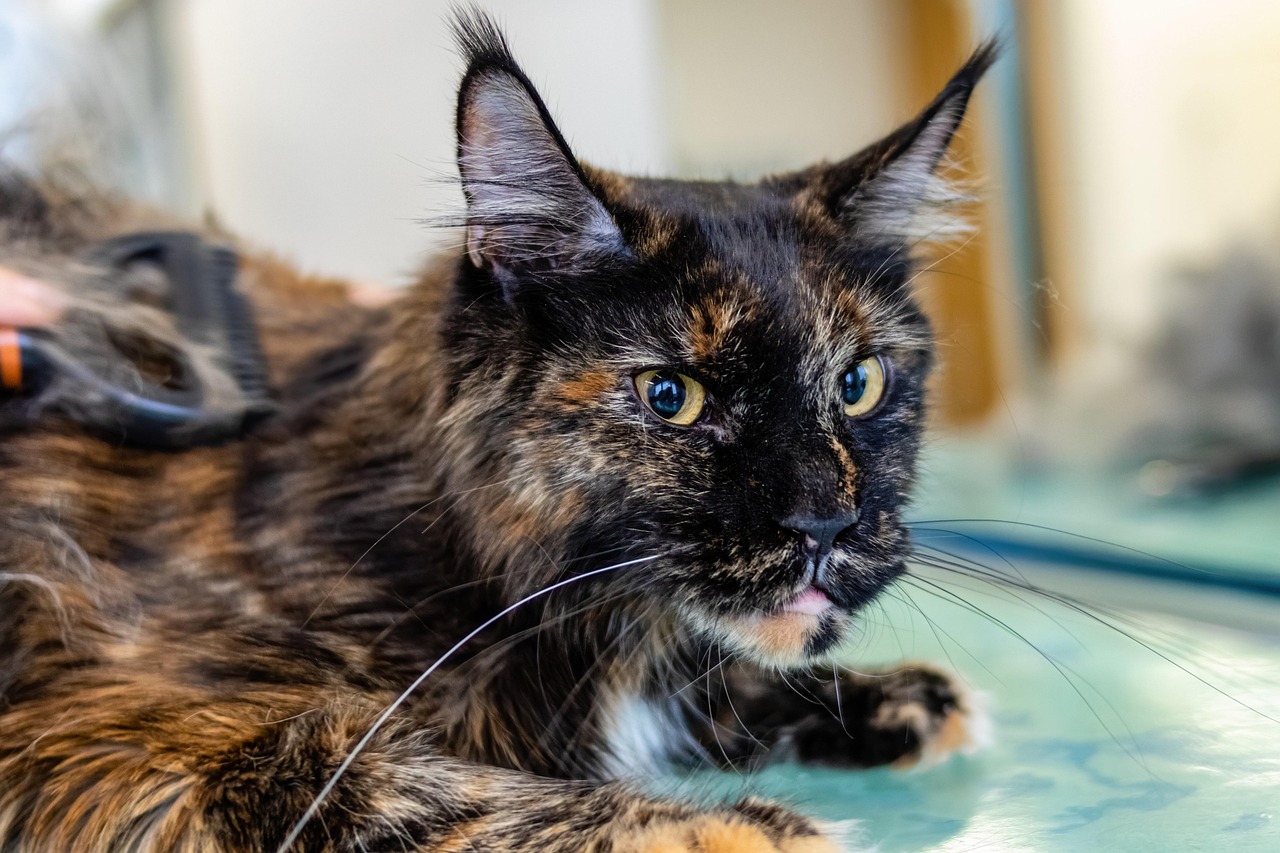
Every cat is unique, and grooming experiences can vary significantly between different felines. Understanding breed-specific traits or grooming preferences can assist in crafting more effective training methods. For example, long-haired breeds may require a different grooming routine than short-haired ones, and treats associated with specific grooming activities can be adjusted accordingly. Documenting your cat’s preference for treats during grooming can be helpful, as can categorizing which grooming techniques tend to pacify them versus those that induce nervousness or resistance. Building a tailored plan with the right blend of treats, praise, and gradual exposure to grooming can significantly aid the training process. This personalized approach ensures that the cat feels comfortable while you perform the grooming necessary to maintain a clean coat. It’s also essential to recall that training should always remain a fun activity. Incorporating toys and adding playful aspects during training can facilitate a relaxed atmosphere, which is conducive for your cat. By merging play with treats, you create an enjoyable grooming experience that your cat will anticipate in the future.
Conclusion: The Path to Successful Grooming Training
Utilizing treats effectively is vital in establishing a successful cat grooming training process. The positive reinforcement of using treats, well-timed rewards, and consistency can turn grooming into a pleasurable routine for both you and your feline friend. Recognizing individual personality traits and preferences, along with making adjustments based on their comfort levels, can further enhance the effectiveness of your training techniques. Remember that patience is crucial; not every cat will progress at the same rate. Celebrate those tiny victories on the journey towards a more cooperative cat. Establishing trust and comfort is an ongoing process, and soon enough, your cat will associate grooming sessions with positive outcomes. As you move forward, remain supportive by offering treats and communicating affection through soothing words. These gestures will ultimately help transform their overall attitude towards grooming. This evolution will make the grooming experience enjoyable rather than a chore, leading to a mutual bond built on trust and kindness. With dedication and persistence, grooming can evolve from a daunting task into a rewarding activity within your daily routine.
As you advance your skills with grooming and reinforcement, always focus on enhancing the bond with your cat through gentle techniques. Applying these steps consistently will refine your grooming routine, making it smooth for you and your kitty. Seek advice from professional groomers or behaviorists if necessary, as their insights can tremendously aid you in your journey. This way, both you and your cat can enjoy positive grooming experiences that strengthen your relationship, ensuring that they look and feel their best.