
Recognizing and Treating Heatstroke in Dogs
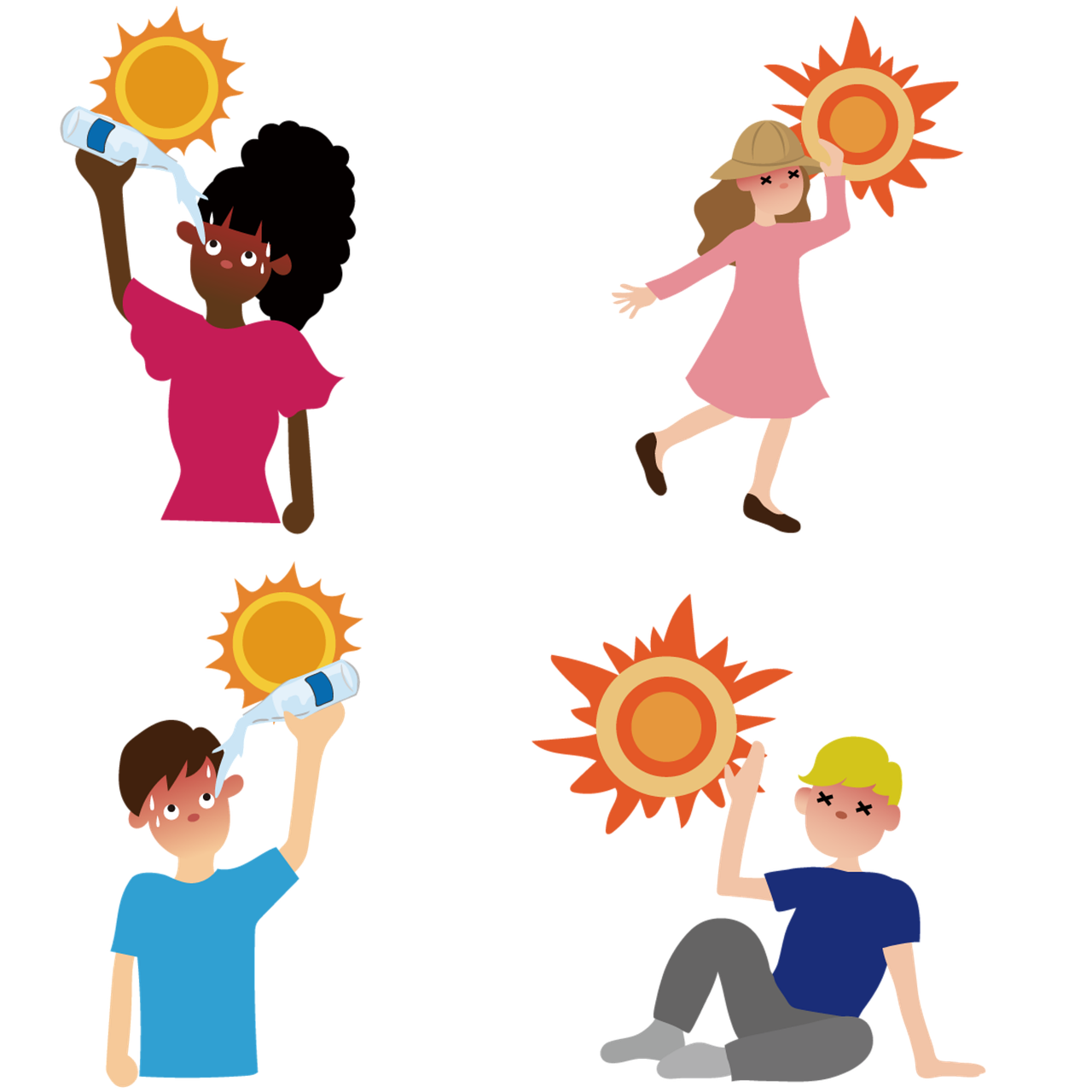
Heatstroke, or heat-related illness, is a significant risk for dogs, especially during warm weather. When a dog is exposed to high temperatures, their ability to regulate body temperature becomes severely compromised. Symptoms may include excessive panting, drooling, weakness, confusion, and even collapse. Understanding how to recognize these symptoms is crucial for pet owners, as heatstroke can escalate quickly. Dogs can suffer heatstroke not only while participating in outdoor activities but also in vehicles or even in shaded areas without proper hydration. As responsible pet owners, we must ensure our furry friends are hydrated, especially during summer outings. This means providing fresh water at all times and taking frequent breaks during walks. If you suspect heatstroke in your dog, immediate action is critical.
First, quickly move your dog to a cooler environment, ideally an air-conditioned space. Next, offer them water, but do not force them to drink. If they are unable to drink or show severe symptoms, contact your veterinarian immediately. Another effective strategy is to wet your dog’s fur with cool water, gradually lowering their body temperature. Avoid using ice-cold water or ice packs, as these can cause shock. Monitor your dog closely, as recovery times can vary. Remaining vigilant is essential, especially for breeds prone to overheating, such as Bulldogs or Pugs. Protecting our dogs involves understanding their specific needs and thermoregulation abilities. Always be mindful of signs indicating distress during warmer weather and adjust your dog’s activity levels accordingly. Additionally, investing in hydration stations or portable water bottles for walks can facilitate better hydration management.
Preventing Heatstroke in Dogs
Preventative measures can significantly reduce the chances of heatstroke. One way to keep dogs cool is through regular grooming, as matted fur can trap heat. Ensure your dog is groomed in a way that suits their breed while remembering it’s important not to shave their fur too short. Dogs usually require a protective coat, even in heat. It’s best to plan outdoor activities during cooler hours. Early mornings and late evenings often see lower temperatures, making them ideal for walks or fetch games. Additionally, providing shade during outdoor events enhances your dog’s comfort levels. Sufficient hydration is paramount; dogs should drink periodically, especially during exercise. Offer them cool, fresh water, and consider using a travel dish for hikes or outings. Pay close attention to specific needs based on individual breed characteristics. Always be ready with a first aid kit that includes materials for managing heat-related issues. Awareness paired with proactive steps can save lives during the summer months.
When assessing your dog’s hydration, look for signs of dehydration, which may include dry gums, sunken eyes, or lethargy. It’s essential to monitor their behavior closely during warm days. Hydration can be enhanced through dog-safe treats, including frozen fruits or vegetables. Ice cubes or water-infused toys can also make hydration enjoyable. Consider incorporating liquid into meals if your dog is reluctant to drink. Always consult with a veterinarian about your dog’s hydration needs, especially if they are ill or experiencing other health issues. Remember that puppies and senior dogs may have different hydration requirements requiring closer attention. Regular health check-ups are essential for assessing overall well-being, particularly as it relates to hydration status. Each dog is unique, so understanding how their body copes with heat will help inform the best strategies for keeping them cool and hydrated.
Signs of Overheating and Immediate Actions
Recognizing the signs of overheating early can make a significant difference in treatment and outcome. Elevated heart rates, excessive panting, and disorientation are all early signs of heat distress. Seek help promptly, especially if your dog shows no improvement after initial cooling measures. Focus on lowering their body temperature gradually by wetting their fur and offering water, as mentioned previously. Be very cautious about how far you allow the temperature to drop; sudden changes can be dangerous. Keeping a close watch over your dog’s behavior is vital; observe for any alarming shifts indicating worsening heat distress. If your dog has had previous heatstroke incidents, you should exercise additional caution and consider lifestyle changes that can prevent future episodes. Hydration needs may also differ from day-to-day based on environmental conditions, requiring flexibility and adaptability in monitoring. Always place your dog’s well-being above other activities during hot conditions. Remember that prevention and early recognition can make all the difference.
In addition to proper hydration and awareness, ensuring general fitness and health contributes to your dog’s resistance to heat stress. Keeping your dog at a healthy weight is crucial, as obesity can exacerbate climate sensitivity. Regular exercises, tailored to their specific needs, build resilience to stress factors. Furthermore, building awareness about pet-friendly hydration basics equips owners with tools to combat heatstroke effectively. Hydration stations during walks, opportunities for swimming, and encouraging drink breaks can transform hot outings into enjoyable experiences without the risk of overheating. Dog owners should remain responsible, preventative measures go a long way. Continuous education about the importance of hydration should not be overlooked. Do not hesitate to seek informative resources online or consult professionals for tailored advice. Interaction with local pet communities can also enhance understanding, facilitating conversations about keeping dogs safe. Outdoor safety involves proactive efforts, and your furry friends deserve proper care and concern when temperatures rise.
Conclusion on Managing Hydration for Your Dog
Managing your dog’s hydration effectively ensures overall health and mitigates the risks posed by excessive heat. Developing a routine that incorporates frequent water breaks and understanding their needs in challenging environments can make a significant impact. Evaluating all factors that influence their hydration can be beneficial, including weather conditions, activity levels, and individual health statuses. Additionally, preparing for outings that may require hydration support like structured activities will help cultivate a safer environment for your dog. Pet grooming and making adjustments to outdoor plans are essential in ensuring they stay comfortable and hydrated, preventing heat-related incidents. Improving their quality of life depends highly on maintaining their hydration needs throughout the year. Establishing these habits early on promotes wellness. Your dog’s health ultimately rests in your hands, and a bit of awareness can go a long way. Make hydration a priority in your dog care routine, and ensure their safety and happiness at all times.
Local resources and engaging in community activities can provide additional support for managing your dog’s hydration needs. Participate in dog-friendly events or discussions to share experiences and strategies surrounding hydration. Reaching out to local veterinarians adds another layer of support, and guidance specific to your climate and your dog’s breed can offer the best solutions. Educating fellow dog owners about heatstroke is a step towards being collectively aware. Knowledge-sharing can also pave the way for innovative solutions when it comes to keeping our dogs cool as temperatures climb. Always be proactive rather than reactive regarding your dog’s health and hydration; addressing issues before they arise ensures better welfare overall. Consider joining online forums or groups where dog owners share insights to further broaden knowledge horizons on this topic. Staying informed results in being better prepared when facing heat challenges with pets. Incorporating hydration strategies into your daily routines fosters a culture of safety for every dog owner. Together, we can ensure that our beloved pets enjoy sunny days without the ill effects of heat.