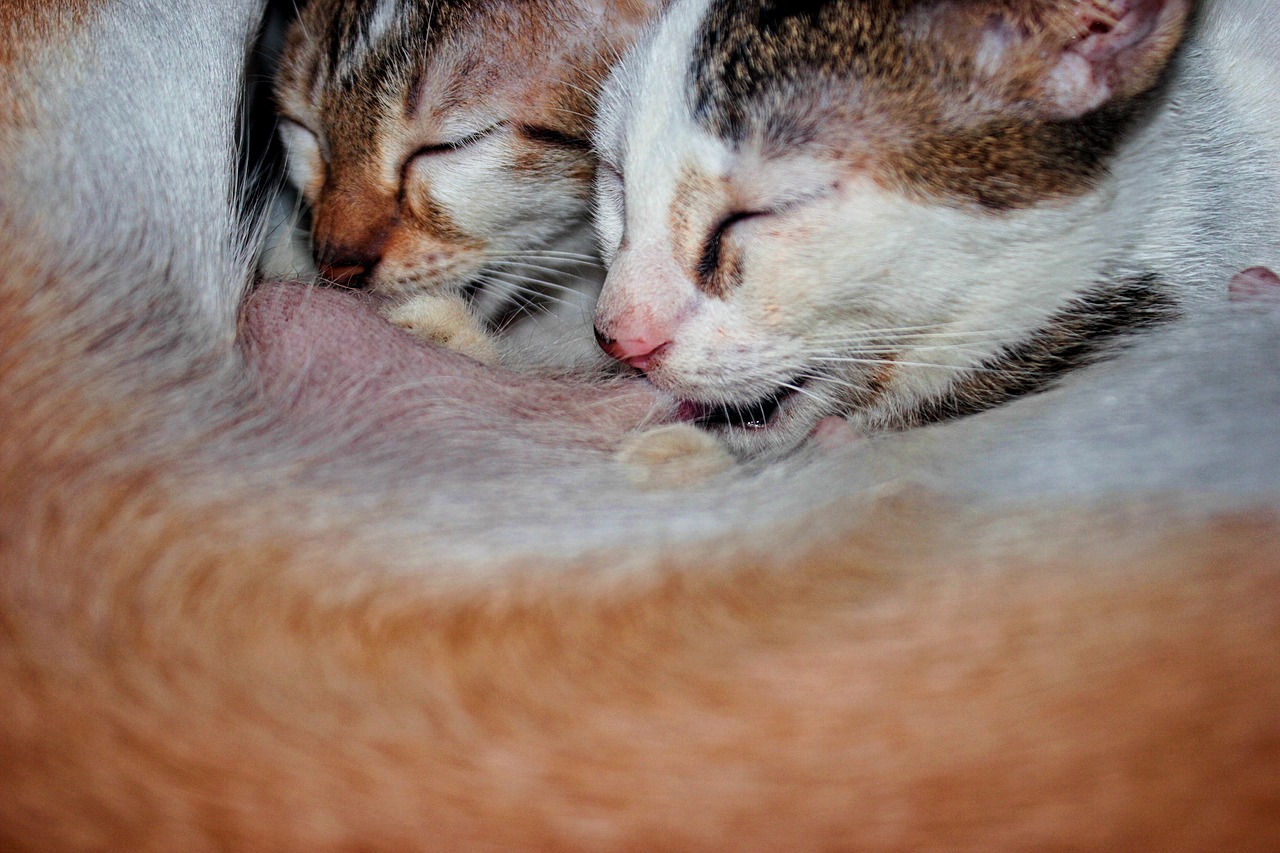

Creating a Peaceful Feeding Environment for Multiple Cats
Feeding time can become a chaotic experience when you have multiple cats at home. To ensure a calm and peaceful environment, preparation is vital. Start by having separate feeding stations for each cat. This decreases the likelihood of disputes over food. Place each feeding station in a quiet area, away from high traffic zones. Cats prefer privacy, so their meals should be served in comfort. Consider using elevated platforms or mats to mark feeding spots. These can help your cats identify their own space, reducing territorial conflicts. It’s also beneficial to maintain a consistent feeding schedule, as predictability fosters a sense of security. Using automatic feeders may help to regulate portions and reduce competition. Additionally, monitor each cat’s eating habits closely. Some may eat quickly while others take their time. Adjust feeding times accordingly, ensuring every cat receives enough nutrition. If you notice aggressive behavior, intervene promptly. Redirect such behavior with toys or distractions. Establish rules that encourage patience and sharing, promoting harmony during meal times. Feeding time doesn’t need to be stressful; it’s possible to create an atmosphere of peace and satisfaction for every cat.
Considering your cats’ individual preferences is equally significant. Cats can be picky eaters. Providing a variety of food options can entice even the fussiest of felines. You might want to include dry kibble, wet food, and treats in their meals. Offering different textures and flavors keeps the feeding experience exciting. Pay attention to your cats’ dietary needs. Older cats may require softer food, while kittens might prefer a different formulation. Try to avoid free feeding if possible, as it can lead to conflicts. Instead, serve meals twice a day in designated time slots. This creates a routine that fosters stability. If you have rescued cats or introducing new ones, patience is key. Ensure that the introductions are gradual to minimize any stress related to feeding. A separate feeding area for a new cat can help ease the transition. As time progresses, you can slowly introduce them to the main feeding area. Observe closely to identify any signs of discomfort or anxiety. Always ensure fresh water is easily accessible near feeding stations. Hydration is essential for health and well-being, especially during meal times. This simple addition contributes significantly to their comfort.
Monitor Their Behavior
Monitoring your cats’ behavior during feeding times is crucial for establishing a peaceful environment. Each cat possesses unique personalities and feeding habits, which may lead to conflict if not properly managed. Observing their dynamics can help you identify the most comfortable settings and feeding procedures. For example, if one cat tends to dominate the feeding area, you may need to reevaluate their feeding locations. Always be vigilant; watch for signs of stress or aggression. If you notice one cat exhibiting possessive behavior, address it immediately. Implement various strategies to promote a calmer atmosphere. Feeding them in separate rooms can drastically reduce tension. Adapting your feeding approach ensures that every cat feels safe and valued. It encourages them to enjoy their mealtimes instead of feeling threatened. Create a calm ambiance during feeding—soft music or quiet surroundings can reduce anxiety. You can also scatter food around various areas to encourage foraging, which fosters natural hunting instincts. For cats that tend to bully others, angle food dishes away from one another. This subtle change can provide a sense of space and reduce competition, making mealtimes enjoyable for everyone.
Incorporating enrichment can further enhance the feeding experience for your cats. Engaging their natural curiosity and playfulness keeps their minds stimulated and boosts their overall well-being. Consider using puzzle feeders as an innovative way to provide both stimulation and nourishment. These feeders require cats to solve a puzzle to access their food, engaging their hunting instincts, which can lead to a more enjoyable experience. Additionally, rotating toys, scratching posts, and even interactive devices can keep them entertained while they wait for feeding time. The more enriched your cat’s environment is, the less likely they will become territorial during meals. By emphasizing variety, you maintain their levels of interest and emotional health. When cats are actively engaged, they are less likely to focus on each other, enabling a more peaceful mealtime. Taking into account their natural instincts fosters a more harmonious feeding environment. Building an enriching habitat not only keeps your cats entertained but also strengthens your bond. As a result, they will learn to trust one another, contributing to a more serene atmosphere during feeding time.
Safe Space for Eating
Creating a safe space for your cats during feeding allows them to relax and enjoy their meals. Security is essential for cats; when they feel at ease, they are more inclined to eat peacefully. Place feeding stations in areas that are low traffic and where they can observe their surroundings. Cats appreciate having the option to survey their domain while enjoying their meals. You can also raise feeding dishes off the ground using feeding stands to create a more comfortable space. This design helps signal to your cats that this area is designated strictly for eating. Ensure that the feeding area is free from any disturbances or hazards, ensuring no other pets can interfere. Keep the feeding stations clean to promote hygiene. Regularly clean the dishes and spaces to maintain a healthy environment. If you notice one cat frequently wandering into another’s area, consider adjusting the layout. A little experimentation can go a long way in improving meal times. Remember to maintain a positive attitude when they are eating. Encouragement and praise can reassure your cats while they dine, contributing to a better atmosphere overall.
While establishing an effective feeding environment is vital, ensuring that every cat gets their share of food is equally important. Observe your cats and adjust the quantities based on individual weights and activity levels. Some cats are more active, while others may be more sedentary. Tailor the portion sizes to avoid weight gain or malnourishment. Balancing their diets ensures that each cat’s specific needs are met. Consulting a veterinarian may help you in determining the right portion sizes. When introducing new food, do so gradually to avoid digestive issues. If multiple cats are involved, keep an eye on the dishes during feeding times. Watching for any bullying behavior helps maintain fairness during meals. If needed, utilize feeding mats to give each cat their place. Use different colors or designs to make clear distinctions between feeding areas. Moreover, if any cat tends to eat too quickly, consider implementing slow-feeding bowls. This adjustment allows all cats to enjoy their meals at a comfortable pace. Overall, an equitable approach ensures a smooth mealtime transition, fostering a sense of community among your furry companions.
Conclusion
Effectively socializing your cats through feeding time creates a vital foundation for their overall wellbeing. By implementing strategies to create a peaceful feeding environment, you promote trust and reduce competition. Pay attention to their individual needs and preferences, and create distinct feeding stations to ensure peace among them. Additionally, enrichment activities foster engagement and stimulate their minds, maintaining a harmonious atmosphere. Remember that monitoring and adapting to each cat’s unique personality is crucial. Make necessary adjustments as needed to avoid feeding conflicts. This attention will lead to better socialization and stronger relationships among the cats. Always keep cleanliness and safety in mind when setting up feeding spaces. Your investment in their comfort during mealtime will yield positive results over time. Most importantly, enjoy the journey as you observe your cats developing meaningful connections and understanding each other. The benefits extend far beyond feeding time, enhancing their overall quality of life. With patience and creativity, you’ll create a peaceful feeding environment, allowing your feline friends to thrive together, without fear or competition, making every feeding experience harmonious.
Concluding this guidance on socializing cats during feeding time, it’s crucial to remain adaptable and observant. Cats, like people, have individual quirks and behaviors that influence their interactions, especially concerning food. Successfully creating a peaceful environment goes beyond just logistics; it involves understanding your cats’ unique characteristics. You may need to experiment with feeding schedules, locations, and food types to see what works best for your household. Each cat will settle into a routine that feels secure and comforting over time. Encourage positive behaviors through consistent reinforcement. Create a welcoming space where your cats can relate without fear of scarcity or competition. Trust is built over time, and feeding should be a source of joy rather than tension. Lastly, continuously educate yourself about feline behavior. Understanding their social dynamics can transform how you approach feeding times. With the right environment and knowledge, you can pave the way for a more harmonious coexistence. Ultimately, a peaceful feeding atmosphere fosters camaraderie among your furry companions, enriching their lives and making your home a loving sanctuary filled with contented purrs.