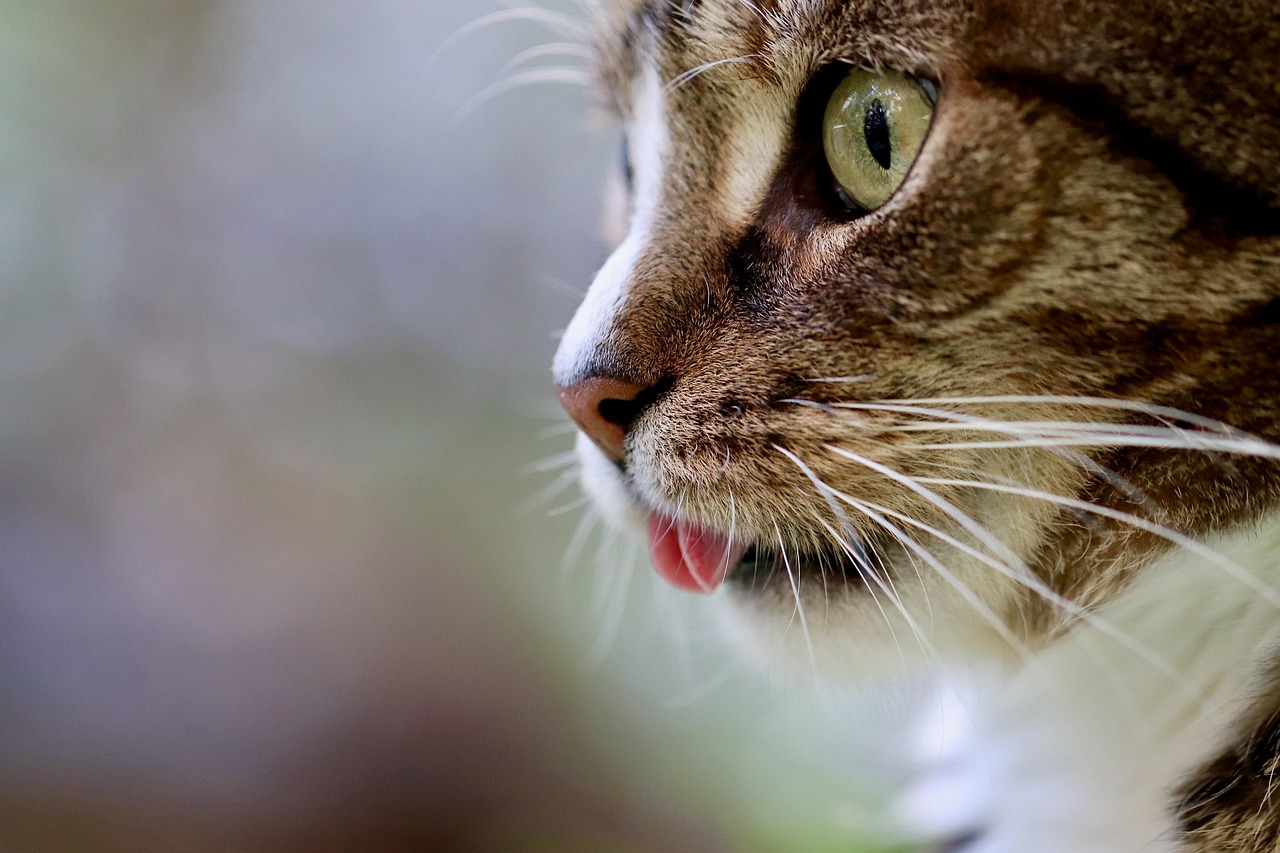

Adjusting Your Cat’s Vaccination Schedule: Tips and Best Practices
Vaccination is crucial in ensuring the health and longevity of your cat. Adjusting the vaccination schedule, depending on your cat’s lifestyle and health, can be essential. It allows for flexibility to manage unexpected life changes. Scheduling vaccinations shouldn’t be overlooked even if your cat seems healthy. Regular veterinary check-ups can help you reassess what vaccinations your cat truly needs. Kittens have a basic vaccination schedule that is generally followed. But adult cats might require different adjustments based on lifestyle factors. For instance, an indoor cat might not need as many boosters compared to an outdoor cat. Discuss with your veterinarian the frequency of these vaccines based on your circumstances. Furthermore, it’s essential to understand that some vaccinations may not require annual administration. Talk to your vet about extended intervals that are equally effective. Don’t hesitate to ask questions to figure out the best vaccination protocol tailored for your cat. Being proactive in managing vaccination schedules helps to prevent diseases, and it is your responsibility as a pet owner. Knowledge is power, particularly when protecting your beloved feline companion.
Importance of Regular Vaccination Reviews
Regular reviews of your cat’s vaccination schedule are paramount for its overall health. This proactive approach ensures that each vaccination remains relevant to your cat’s needs. Cats age differently, and their immune systems can change over time. Consulting with a veterinarian about adjustments in vaccinations can keep your furry friend protected. Factors such as age, lifestyle, and specific health concerns can influence the vaccination timetable. It’s not a one-size-fits-all scenario. Outdoor cats might encounter different pathogens compared to indoor cats. Your vet can make informed recommendations based on various factors. Current health, recent medical history, or any changes in lifestyle must all be consulted. Keeping thorough records of past vaccinations can help streamline this process. Having this information readily available encourages making the best choices for your cat’s health. In addition, it can also help highlight the need for boosters. Each cat’s vaccination needs can significantly differ, making it essential to tailor the schedule appropriately. Regular reviews become crucial, ensuring your cat remains adequately shielded from diseases they might face.
Understanding Vaccine Types and Their Impacts
Understanding the different types of vaccines is vital when adjusting your cat’s immunization schedule. Vaccines can be categorized broadly into core and non-core vaccines. Core vaccines are considered essential for all cats, while non-core vaccines are based on individual cat risks. Core vaccines protect against terminal diseases like rabies and feline distemper. These should be administered as per the veterinary guidelines. Non-core vaccines might be recommended based on your cat’s lifestyle and exposure risks. For instance, if your cat regularly interacts with other animals, additional vaccines might be necessary. This highlights the importance of reviewing vaccination needs with your veterinarian. They can provide insights specific to your cat’s situation. Understanding vaccine types can also clarify the timing and necessity for boosters. Some vaccines may require annual revaccination, while others might extend for several years. Keeping track of your cat’s vaccination history can facilitate informed decisions. A well-informed cat owner ensures that their feline receives the most effective protection from diseases prevalent in their area.
Enhancing your cat’s vaccination experience can also improve adherence to schedules. Making your cat comfortable during visits can decrease stress. Familiarizing them with the carrier before the appointment is a successful approach. Moreover, rewarding your cat post-visit reinforces positive experiences. Simple treats can work wonders and make future visits easier. Certain facilities offer feline-friendly environments, creating a calm and soothing atmosphere. Inquire if your vet provides special accommodations for cats during vaccination visits. This can also involve reduced wait times to avoid unnecessary anxiety. Minimizing stress can improve the likelihood of maintaining consistent vaccination schedules significantly. Engaging in this process with your cat can promote a healthy routine. You might also explore educational resources to become more informed about feline health. Several reputable websites and organizations provide valuable insights. Trustworthy platforms include the American Association of Feline Practitioners (AAFP) or the American Veterinary Medical Association (AVMA). These resources can help guide you on best practices. Effective communication with your veterinarian and educated choices result in positive health outcomes for your cat.
Recognizing Side Effects and Reactions
Recognizing potential side effects or reactions to vaccines can help ensure timely care. After a vaccination, minor reactions are not uncommon. Symptoms might include lethargy, slight fever, or reduced appetite. These effects usually dissipate within a day. However, severe reactions, though rare, are serious. Symptoms could include swelling, difficulty breathing, or extreme lethargy. Should these occur, prompt veterinary care is essential. Keeping a close watch after vaccinations creates a better understanding of your cat’s responses. Noting any unusual behaviour helps in discussions with your veterinarian during follow-ups. This information can aid in tailoring future vaccination protocols. It can also inform your vet about any known sensitivities to specific vaccines. Consultation can guide possible adjustments, ensuring your cat’s intrinsic needs are met. Furthermore, ensuring your cat is in good health before vaccinations is advisable. This step can mitigate adverse reactions and enhance overall effectiveness. Regular discussions about your cat’s vaccination history and any previous reactions are critical for future vaccine considerations.
Consider establishing a vaccination calendar to stay organized. This can aid in tracking upcoming vaccinations while providing a visual reference. Marking dates and notes can promote adherence to the vaccination schedule. Digital tools, such as smartphone apps or calendars, can serve this purpose effectively. Setting reminders can help ensure that vaccinations are administered timely. Additionally, staying connected with your veterinarian through regular communications can foster a robust healthcare plan. Utilizing telehealth services, when applicable, can also facilitate convenient consultations, especially for scheduling vaccines. This process helps address concerns and adjust as needed without repeated visits. Moreover, social support from fellow pet owners can enhance your commitment. Engaging in online communities or forums can provide additional insights. Sharing experiences with others can yield helpful tips about vaccination experiences. It fosters a sense of community, encouraging members to stay proactive in their cat’s health management. Engaging with surrounding cat owners can strengthen the shared goal of promoting feline health and well-being across your neighborhood. Taking these proactive steps will surely lead to an improved vaccination experience.
Consulting Experts for Personalized Protocols
Consulting veterinary experts will undoubtedly result in a tailored vaccination protocol for your cat. Each expert possesses valuable insights based on recent studies and advancements in veterinary science. Remaining committed to your cat’s health while adapting protocols becomes easier through professional guidance. Create a list of queries to discuss during consultations. Understanding vaccines as well as potential adjustments based on your cat’s lifestyle provides clarity. Engage in open, frank discussions about your cat’s previous reactions, emphasizing any concerns. After all, several factors can influence vaccination effectiveness, including breed and overall health. Keeping the lines of communication open allows responsive planning for your pet. Additionally, veterinarians can recommend appropriate schedules to prevent lapses between vaccinations. Personalized advice ensures the vaccination plan addresses your cat’s situation, which may vary significantly from others. Tailoring these adjustments helps minimize health risks while promoting immunity. Drawing upon the expertise of vets equips you with essential knowledge regarding vaccination schedules and practices. This way, your commitment to responsible pet ownership ensures your feline remains healthy and happy throughout its life.
Furthermore, consider adjusting your cat’s vaccination schedule alongside other aspects of their healthcare. Regular check-ups should coincide with vaccinations whenever feasible. This standard practice provides a holistic view of your cat’s health. It reinforces the importance of regular physical exams to monitor overall well-being. Annual wellness exams are especially beneficial for older cats, allowing for close monitoring of their health. Engaging discussions during these check-ups can help address any emerging concerns. Lifestyle changes often prompt the need for adjustments, making these check-ups essential. Moreover, assess vaccination needs in conjunction with dietary changes or transitions to new environments. Diet has a marked impact on the immune response in cats, so tailoring the diet concurrently can provide a healthy synergy. All these factors emphasize the importance of keeping a dialogue open between pet owners and veterinarians. In time, the combined efforts of regular vaccinations and comprehensive health management assure better outcomes for your beloved cat, reducing the risk of illnesses substantially. As dedicated pet owners, understanding and adapting vaccination schedules make all the difference in maintaining your feline’s health and quality of life.