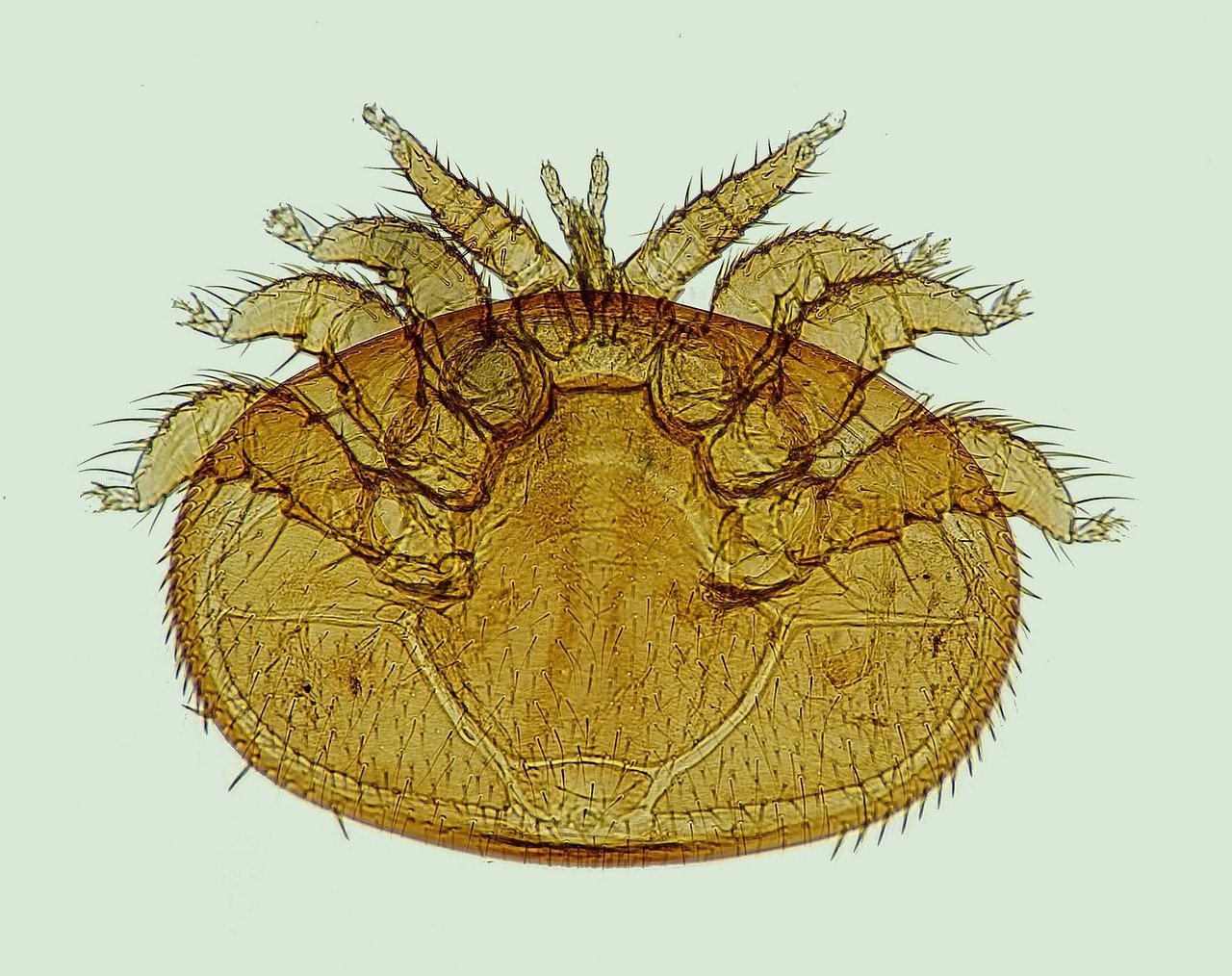

Common Parasites Affecting Dogs in Competitions
Competing dogs face various health challenges, including exposure to parasites. These pests can have detrimental impacts on a dog’s performance, health, and overall well-being. It’s crucial for dog owners and handlers to be aware of these common parasites. Understanding how they can affect a dog’s vitality is essential. Some of the prevalent parasites found in dogs include fleas, ticks, and worms. These parasites not only inflict discomfort but can also lead to serious health complications. Fleas cause itching and allergic reactions, while ticks can transmit diseases such as Lyme disease. Intestinal worms like roundworms and hookworms can lead to weight loss and lethargy. Regular veterinary check-ups and preventive measures are vital to safeguarding the health of competition dogs. Owners should ensure that their pets receive comprehensive parasite prevention treatments routinely. Maintaining a clean living environment is also critical in controlling these parasites. In addition to medical treatment, employing good hygiene practices can help reduce the chances of infestations. Knowledge is a powerful tool in the fight against parasites, ensuring that dogs remain healthy and competitive on the show circuit.
Fleas and Their Impact
Fleas are one of the most notorious parasites affecting dogs in shows and competitions. They can quickly invade a dog’s coat, leading to severe itching and discomfort. Not only do fleas cause physical distress, but they also pose a risk of transmitting tapeworms and other harmful organisms. In severe infestations, dogs may develop secondary skin infections due to constant scratching. These issues can jeopardize a dog’s chances in competitions, impacting their performance. Effective flea control should include a combination of topical treatments, oral medications, and environmental control strategies. Regularly bathing the dog and cleaning bedding and living areas minimizes flea populations significantly. It is wise to consult a veterinarian for effective flea prevention options. Many products on the market offer varying degrees of effectiveness against fleas. Additionally, identifying and addressing flea issues early is vital for ensuring a dog’s comfort and success in competitions. Flea treatments should be part of a broader health regimen, integrating regular exercise and a balanced diet to keep competition dogs in top condition. Keeping dogs flea-free not only protects their health but also enhances their performance during shows.
Ticks are another major concern for show dogs, as they can attach to a dog’s skin and draw blood. Ticks can transmit various diseases, including Lyme disease and Ehrlichiosis, which can severely affect a dog’s health. Affected dogs may exhibit symptoms such as lethargy, joint pain, and fever. As the tick season approaches, owners should be vigilant in checking their dogs for these parasites after outdoor activities. It’s essential to use tick preventatives, which come in various forms, such as collars, topical treatments, or oral medications. Regular grooming sessions not only allow for tick checks but can also help in early removal if detected. If a tick is found, it should be removed promptly and safely to minimize health risks. Besides personal vigilance, maintaining a tick-free environment is crucial, especially in areas where dogs are exercised regularly. Keeping grass trimmed and using pest control measures can reduce tick populations in your dog’s surroundings. Therefore, dog handlers must enhance their knowledge about ticks and proper removal techniques. Taking preventative steps ensures that dogs remain healthy and competitive during events.
Intestinal Worms and Show Performance
Intestinal worms pose a significant threat to dogs’ health and can severely impair their performance in competitions. Common types include roundworms, hookworms, and whipworms, which can lead to various gastrointestinal issues. Symptoms of worm infestation often include weight loss, diarrhea, and vomiting, all detrimental for a competitive dog. These parasites thrive in environments where dogs interact closely. Hence, regular de-worming is essential to keep dogs healthy and in peak condition. Owners should consult with veterinarians to establish a de-worming schedule tailored to their dog’s lifestyle and exposure. In addition to treatments, ensuring proper hygiene and sanitation in the dog’s living area can help eliminate infestations. Picking up after dogs and avoiding areas that may be contaminated are key strategies in controlling worm populations. Regular fecal examinations can help in early detection of worms, which is crucial for effective treatment. Practice active monitoring of dog health can lead to improved performance levels and minimize risks. Ultimately, understanding the impact of these parasites is vital for dog owners, ensuring the best care and competitive readiness for their pets.
Heartworms are another serious threat, particularly in competition dogs that may travel to different regions. Transmitted by mosquitoes, heartworms can cause severe damage to a dog’s heart and lungs, leading to serious health issues. Unfortunately, heartworm disease is often asymptomatic until it reaches advanced stages, making prevention crucial. Following a veterinarian’s recommendations for heartworm prophylaxis is necessary for protecting a dog’s health. Annual heartworm testing is also recommended to detect the disease early. If diagnosed, treatment can be complicated and expensive, highlighting the importance of prevention. Beyond medication, educating oneself about the prevalence of heartworms in specific geographic areas can guide owners in taking the necessary precautions. Furthermore, ensuring dogs avoid high-risk environments, such as areas swarming with mosquitoes, minimizes their risk of exposure to these serious parasites. Owners should ensure their dogs are kept indoors during peak mosquito hours. This pet security measure is particularly vital during warmer months to thoroughly protect against potential heartworm infection. Understanding heartworm risks not only aids in keeping dogs healthy but also enhances their overall performance during competition.
Preventive Measures and Best Practices
Maintaining canine health against parasites requires ongoing preventive measures and education for dog owners. Being proactive about parasite control is essential to avoid health crises. Regular veterinary visits should include discussions about the best prevention products compatible with your dog’s needs. There’s a myriad of options, from topical solutions and oral medications to environmental control products. While chemicals can rapidly control parasites, never overlook the necessity of cleaning and hygiene. Regular grooming and bathing are critical in controlling flea populations and keeping coats healthy. Ensure that dog areas are often cleaned, particularly if dogs frequent parks or communal spaces. Additionally, educating yourself about emerging parasites is fundamental, as new threats can arise unexpectedly. Joining local dog clubs or attending veterinary workshops can provide valuable insights from professionals and fellow owners. Networking within the dog show community can be beneficial, allowing for the sharing of knowledge on healthy practices and effective parasite prevention strategies. Staying informed can enhance the success of your dog in competitions, while also promoting a long and healthy life. With a proactive approach, parasite-related complications can be significantly reduced.
The final component in effective parasite control is vigilance during dog shows and competitions. It’s essential to monitor the health of all dogs involved in events, including those that may come in contact with yours. Implementing strict biosecurity measures can significantly reduce the risk of parasite transmission among competitors. Advising fellow competitors about health protocols ensures a safer environment for all participating dogs. Always carry necessary treatments, including medications in case of emergencies, to manage potential infestations promptly. Additionally, having a first-aid kit for dogs can be useful in emergencies related to parasites and other health concerns. Organizing group awareness sessions about parasite control can also foster shared responsibility among dog owners. Promoting a culture of caring for the health of all dogs at competitions enhances overall dog health within the community. Your commitment to maintaining a parasite-free environment can positively affect not just your pet but many others as well. Lastly, showing dogs should be an enjoyable experience where health is a priority. With dedication and knowledge, dog owners can ensure their furry friends compete at their best without the burden of parasites.