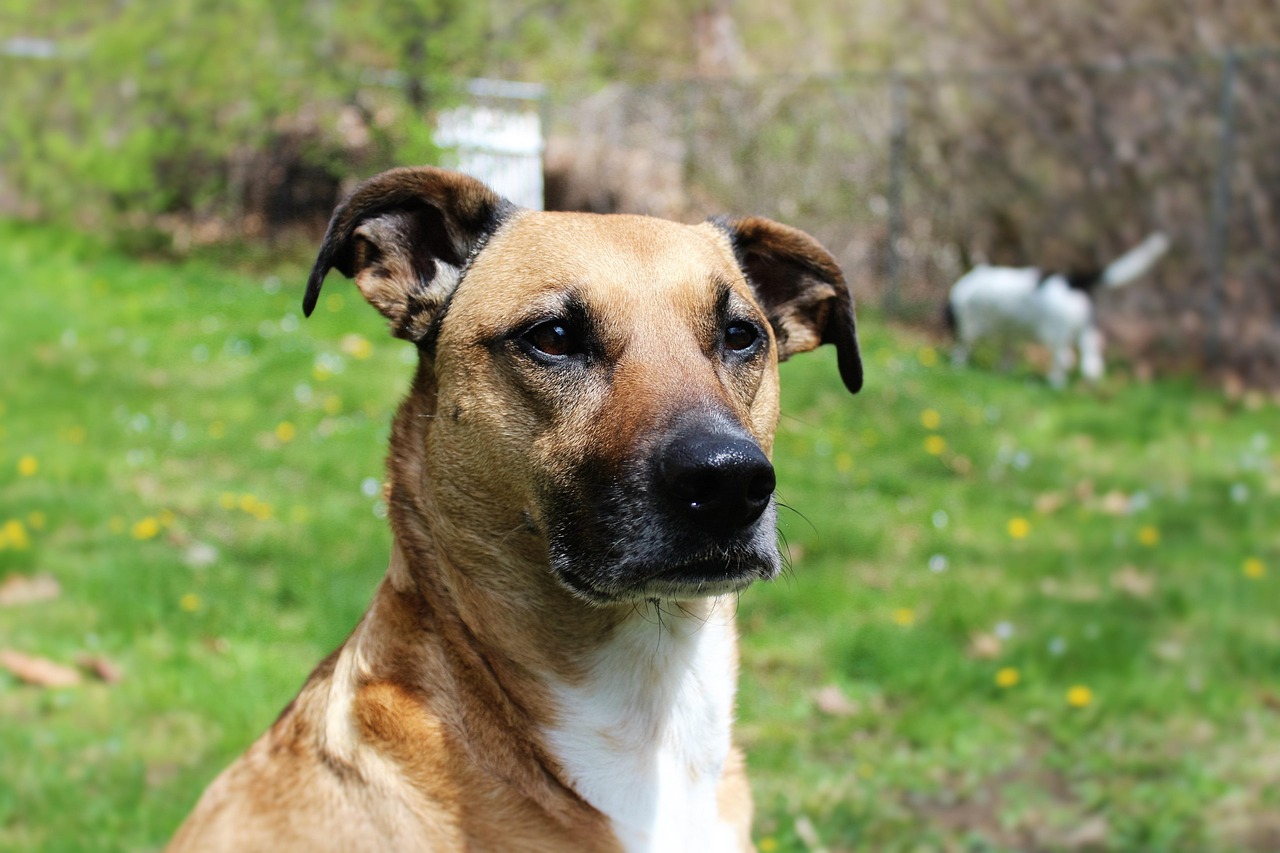

Building Trust with Your Rescue Dog
Building trust with a rescue dog is a vital step in adapting your new family member into your life. Many rescue dogs have experienced trauma or instability, which can lead to fear, anxiety, or distrust in humans. To improve this situation, it’s crucial to approach the bonding process with sensitivity and patience. Start by creating a safe and secure environment, free from loud noises or sudden movements that could frighten your dog. Establish a routine to give your pet a sense of stability and predictability. Use positive reinforcement through treats or praise whenever your dog displays trust or comes closer to you. Focus on low-pressure interactions to minimize stress. Slowly increase physical contact as your dog becomes more comfortable, taking care to not overwhelm them. Also, consider enrolling in training classes designed specifically for rescue dogs. These classes teach you both dog communication and behavior modification techniques. The bond built during this process will lay a strong foundation for a lasting relationship. Remember, the journey to trust takes time, so celebrate small victories along the way.
Understanding Your Dog’s Behavior
Understanding your rescue dog’s behavior is essential for successful integration into your household. Each dog comes with its own history, and knowing the common signs of fear or anxiety can help you respond appropriately. Signs such as cowering, barking, or hiding may indicate your dog is still adjusting to new surroundings. Introduce them to different rooms gradually, allowing them the option to explore and retreat when they feel overwhelmed. Identify specific triggers, like certain noises or movements, that may cause distress. Keep a journal of your dog’s reactions to help identify patterns or progress. Socializing your dog with both people and friendly pets is beneficial, as it shows them that the world can be friendly. Additionally, engaging in activities like walks can help improve their confidence and reduce anxiety. Be patient and consistent with your responses to their behaviors. If your dog shows signs of aggression or severe fear, consider seeking advice from a professional behaviorist. Understanding your dog improves your dog’s comfort and promotes a deeper bond. Foster a safe environment where they feel loved and appreciated.
Establishing routines is vital for building trust and ensuring your rescue dog feels secure in your home. Dogs thrive on familiarity, so set a regular feeding schedule, consistent walking times, and designated play periods. This predictability helps your dog understand their environment, reducing anxiety and fear. In addition, routines improve the learning process; dogs learn better when they know what to expect throughout their day. Incorporate training sessions into this routine as a way to build communication with your dog. Maintain a calm demeanor during these moments and reward them for their progress, no matter how small. When creating routines, remember to include time for relaxation and free play, allowing your dog to explore at their own pace. Providing stimulating toys or puzzles can also engage your dog’s mind. Furthermore, happy play strengthens your relationship and helps them feel more at ease. Be patient and flexible as you both adjust to your new dynamic. Consistency in your routine not only reassures your rescue dog but also strengthens your bond over time. Focus on the positive aspects of your relationship to foster a trusting connection.
Use Positive Reinforcement
Utilizing positive reinforcement is crucial in training and bonding with your rescue dog effectively. This approach encourages desired behaviors by rewarding them instead of focusing on punishment for undesired actions. Whenever your dog responds positively to a command or engages in a suitable behavior, offer them a treat, praise, or affection. This practice creates a positive association, making your dog more likely to repeat the behavior. Timing is essential; reward immediately after the desired action to help your dog link the reward to the behavior. Consistent rewards reinforce positive habits and help your dog become more confident. Involve family members consistently to ensure your dog receives fair treatment and uniform cues. Avoid harsh discipline as this can deter trust; rescue dogs benefit from gentle guidance instead. Engage in short training sessions to maintain interest and prevent frustration. Incorporating fun activities and social interactions into the training can also make learning enjoyable for your dog. Consider joining obedience classes to enhance your training experience while also exposing your dog to new environments and people. Nurture a loving atmosphere where your dog feels safe and supported.
Socialization is an integral aspect of trust-building with your rescue dog. Gradually introduce them to new experiences, people, sounds, and other animals, allowing your dog to learn what it means to be a member of your household. Ensure each introduction is positive and meaningful to prevent overwhelming your dog and causing fear. Start with quiet environments to avoid overstimulation, then slowly incorporate busier spaces as your dog grows more comfortable. Invite friends or family who have calm and friendly pets to create social opportunities for your dog. Set up playdates to bring joy and normalcy to their life. While performing these introductions, monitor your dog’s reactions closely and adjust accordingly. If your dog becomes anxious, revert to a safer, quieter space and try again later. Reinforce positive encounters with treats and praise, showcasing how these interactions can be rewarding. Lastly, always be attentive to your dog’s comfort levels; each dog has its own pace. By prioritizing proper socialization, your rescue dog learns to navigate their new life positively and confidently.
Patience is Key
Patience truly is vital in nurturing a trusting bond with your rescue dog. Changes may not happen overnight; every dog adjusts at its own pace. Rescue dogs, often burdened by past traumas, may require extra time before they feel safe in a new environment. Stay consistent with your training and routines despite any setbacks you may encounter. Fluctuations in behavior are normal, and responding with understanding will ultimately bolster your relationship. Celebrate the small victories they achieve, which can be uplifting for both you and your dog. Setting realistic goals helps manage expectations, allowing you to enjoy the journey rather than obsess over speed. Also, take the time to observe your dog’s specific needs; maybe they prefer quiet spaces or just a gentle touch to feel at ease. By adapting to these preferences, you show your dog that you are attentive to their unique situation. Incorporate relaxing activities like puzzle games or gentle massages into your routine, leveraging them as moments to bond. Your patience will pay off, resulting in a loving and trusting friendship built on mutual respect and understanding.
Finally, collaborating with professionals can provide insight and support as you work to strengthen trust with your rescue dog. Engaging a trainer or behaviorist knowledgeable about rescue dog behavior can be incredibly beneficial. They offer guidance that is tailored to your dog’s specific needs and challenges, making the process smoother. Additionally, attending positive reinforcement-based training classes can help you establish a solid foundation in dog training while connecting with fellow dog owners. Sharing experiences with others can bolster your confidence and provide a supportive network as you navigate challenges. Be sure to communicate actively with the professional you choose, providing them with details about your dog’s background, behaviors, and your mutual goals. Consistency between your home training and professional guidance is key to success. Create a long-term plan that balances creative techniques with established methods to promote trust over time. Finally, always remain open to changes as your dog grows and adjusts to their new life. With patience, positive reinforcement, and professional support, the bond with your rescue dog will undoubtedly flourish.