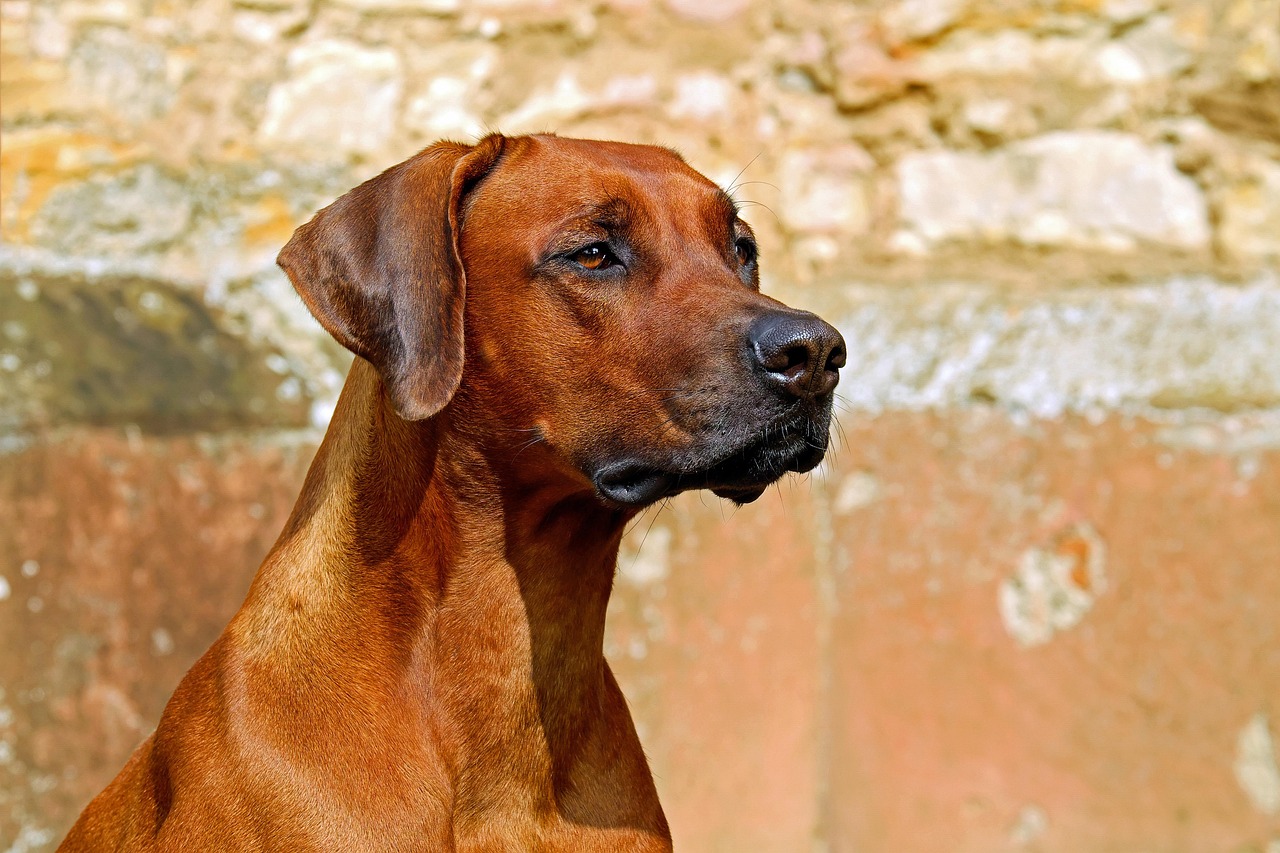

Grooming Tips for a Healthy Rhodesian Ridgeback Coat
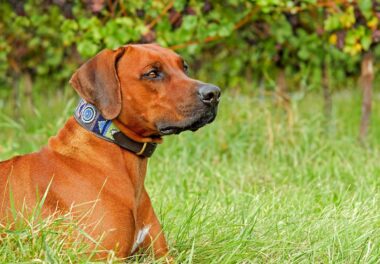
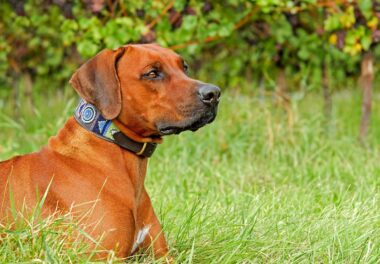
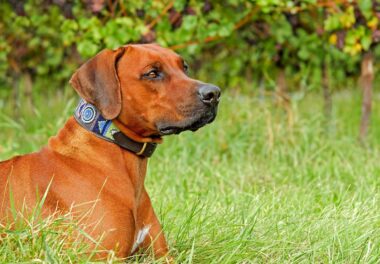
The Rhodesian Ridgeback is a unique breed known for its striking appearance and distinct ridge of hair along its back. Grooming plays a crucial role in maintaining their health and appearance. Regular grooming helps to remove dirt, dead hair, and debris from their coat, which can prevent skin irritations. It is essential to establish a grooming routine that incorporates both brushing and occasional baths. Using a rubber curry brush is effective for their short, dense coat, as it helps lift dead hair while stimulating the skin. Spend ample time brushing, ensuring all areas, especially the ridge, are clean. Additionally, check their ears regularly for dirt or wax buildup and clean them with a gentle, vet-approved solution. Pay attention to their nails, which should be trimmed regularly to prevent discomfort. Dogs in active environments might require more frequent grooming sessions. Staying consistent with your grooming routine not only keeps their coat shiny but helps strengthen the bond between you and your Rhodesian Ridgeback.
Diet also plays a vital role in maintaining a healthy coat for your Rhodesian Ridgeback. Providing high-quality dog food rich in fatty acids, including Omega-3 and Omega-6, can significantly improve skin and coat conditions. Consult your veterinarian for recommendations based on your dog’s specific needs. Supplements can also be beneficial. Hydration cannot be overlooked; always ensure your dog has access to clean water. Dehydration can lead to dry, flaky skin and a dull coat. Regular vet check-ups can help you monitor overall skin health. A clear understanding of their grooming needs is key; Rhodesian Ridgebacks are generally low-shedding but do require consistent care. If you notice excessive shedding, it may indicate an underlying health issue that needs addressing. Be vigilant about any changes in their coat texture or skin condition, as these can signal allergies or other problems. A multi-faceted approach, including diet, hydration, and grooming, will help ensure that your Rhodesian Ridgeback maintains a vibrant, healthy coat.
Bathing Techniques for Rhodesian Ridgebacks
Bathing is another important aspect of grooming that requires careful consideration. Typically, you should bathe your Rhodesian Ridgeback every three months unless they get very dirty. Overbathing can strip their coat of natural oils. Use a gentle, dog-specific shampoo to maintain skin health. Avoid human shampoos, as they can irritate a dog’s skin. Before bathing, brush your dog thoroughly to remove tangles, mats, and loose hair. When bathing, ensure the water is lukewarm to avoid discomfort. Rinse them completely to remove all shampoo residue, as leftover products can lead to skin problems. After the bath, dry your dog well using a soft towel and consider using a blow dryer on a low, cool setting if your dog tolerates it. Be cautious around their ears and face. Follow up with a thorough brushing to ensure the coat remains smooth and sleek. Regular bathing, coupled with an effective brushing routine, will help keep your Rhodesian Ridgeback’s coat in excellent condition while promoting good hygiene.
When grooming your Rhodesian Ridgeback, don’t overlook the importance of dental care. Regular brushing of your dog’s teeth can prevent periodontal disease and promote overall health. Utilize dog-specific toothbrushes and toothpaste, avoiding human products containing harmful ingredients. Aim to brush their teeth at least two to three times a week. Additionally, dental chew toys can assist in keeping their teeth clean while providing entertainment. Routine grooming should also include checking their ears for any signs of infection, wax buildup, or debris. Keeping their ears clean is vital, as Rhodesian Ridgebacks can be prone to ear infections, especially if they swim frequently. Clean the ears gently using a soft cloth or cotton ball dampened with a vet-recommended solution. Assess their eyes during grooming sessions, looking for any signs of redness or discharge; if noticed, consult a veterinarian. Overall, a comprehensive grooming routine, including dental care, ear cleaning, and eye assessment, is essential, ensuring that your Rhodesian Ridgeback remains healthy and happy.
Dealing with Shedding
Shedding is a natural process for all dogs, and Rhodesian Ridgebacks are no exception. Although they are known to shed minimally, regular grooming can mitigate the amount of hair in your home. The best strategy for managing shedding is establishing a consistent brushing schedule. Aim for at least once a week to remove loose hair and prevent them from building up in your living space. Invest in a quality shedding tool, as it can penetrate their coat effectively. This will help reach the undercoat and capture more hair during brushing sessions. Consider using a vacuum equipped with a pet hair attachment to help maintain clean spaces. Additionally, ensure your dog is receiving appropriate nutrition, as this can influence coat health and shedding frequency. If your Ridgeback starts shedding more than usual, evaluate their diet, hydration, and stress levels, as changes might be indicators of health issues. With the right techniques and vigilance, you can manage shedding effectively while keeping your home and your beloved pet comfortable.
Training your Rhodesian Ridgeback to enjoy grooming sessions is vital for a smooth process. Start grooming them when they are young, even if it is just brief periods initially. Positive reinforcement, such as treats or praise, can help your dog associate grooming with enjoyable experiences. Keep the sessions short and gradually increase the duration as they become more comfortable. This will help avoid anxiety or resistance during grooming routines. Consider introducing grooming tools slowly and allowing your dog to sniff them beforehand. If your Rhodesian Ridgeback shows signs of agitation, take a break and try again later. Regular grooming can serve as an excellent bonding time for both you and your dog, enhancing trust and connection. Schedule specific times for grooming that coincide with your pet’s most relaxed moments. Patience and consistency are critical. If your dog enjoys grooming, it will make the overall experience much more pleasant for both of you while ensuring their coat remains in top condition, promoting good health and hygiene.
Conclusion
In conclusion, maintaining a healthy Rhodesian Ridgeback coat requires a combination of proper grooming, excellent diet, and regular veterinary check-ups. Establish a consistent grooming routine that includes brushing, bathing, ear care, and dental hygiene. An emphasis on nutrition enriched with essential fatty acids and sufficient hydration not only enhances coat quality but supports overall well-being. Understanding the unique grooming needs of your dog will contribute to their happiness and health. Connecting grooming with positive experiences through training will make it more enjoyable for your Rhodesian Ridgeback and yourself. Stay aware of any shedding or skin conditions that may arise, as these can hint at broader health issues. Make use of appropriate tools and consult your veterinarian when needed, ensuring your practices are up-to-date and effective. Above all, remember that grooming is an opportunity to bond with your Rhodesian Ridgeback, creating trust and affection. A happy coat will reflect a happy dog, and with time and dedication, you can help your Rhodesian Ridgeback shine.