
Training Strategies for Reactive Dogs to Enhance Safety
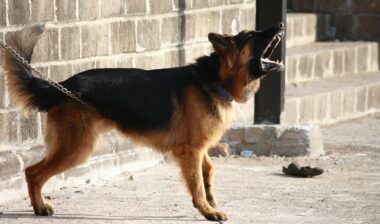
Dogs can exhibit reactive behavior for multiple reasons, such as fear or frustration. Understanding that this behavior often stems from a lack of confidence is vital. Owners can employ various training strategies to mitigate these reactions. Positive reinforcement is one of the most effective approaches. This includes rewarding desired behaviors, which helps reinforce a dog’s confidence and reduces anxiety. Gradual desensitization is another useful technique, where a dog is slowly exposed to triggers in a controlled manner. Additionally, implementing a structured routine can provide a sense of stability for reactive dogs. Socialization is crucial, allowing dogs to interact in calming environments, which helps to normalize new experiences. Owners should also seek professional assistance if needed since trainers can offer tailored strategies. Classes focused on positive training are invaluable, creating an environment where dogs feel secure. Ultimately, patience and consistency are key in reshaping a dog’s behavior. Using tools like head halters or harnesses can also enhance safety during walks. These strategies collectively promote a safer experience for both dogs and their human companions.
Another essential strategy in training reactive dogs is the implementation of controlling the environment around them. This means avoiding situations where the dog may react negatively. For instance, if a dog shows fear towards other dogs, it helps to avoid crowded areas during walks. Creating a safe distance between the reactive dog and the triggering situation is crucial. Using barriers, such as baby gates, during introductions to new pets or visitors at home offers security. Implementing training commands such as ‘leave it’ or ‘focus’ can redirect their attention when a trigger is present. This could effectively prevent reactivity and foster a calmer demeanor. Clear communication is essential, and consistency will aid in the dog’s learning process. Engaging in activities that stimulate their minds, like puzzle toys or scent work, provides an outlet for pent-up energy. Regular exercise is also important, helping to alleviate anxiety and stress within a reactive dog. Enrichment activities can significantly impact a dog’s behavior and overall happiness. In addition, creating a calm home environment minimizes stressors that can exacerbate reactivity.
Understanding Your Dog’s Triggers
A comprehensive understanding of what causes your dog’s reactivity is paramount. Every dog is unique; thus, identifying specific triggers will aid in effective training methods. Take note of situations that provoke a reaction – it could be loud noises, other animals, or even unfamiliar people. Keeping a journal of these encounters can help pinpoint patterns and develop strategies. Recognizing subtle signs of stress, such as panting or tail tucking, is crucial for preventing escalation. Gradually exposing the dog to these triggers while offering treats or praise helps build a positive association over time. Watch for body language cues that indicate comfort versus anxiety. This informs the owner of when to reinforce calm behavior effectively. Implementing training techniques like clicker training can solidify learning during exposure to triggers. Teaching alternative behaviors, such as sitting or going to a specific mat, can divert the dog’s attention from triggers. Consistency in these teachings strengthens the behavior. Protecting your dog and others during these training sessions should be top priority to ensure everyone’s safety.
Another critical aspect of training reactive dogs is enhancing their confidence. Activities like obedience training or agility courses can promote self-assurance. These classes not only provide physical exercise but also mentally stimulate the dog. Ensuring the dog feels secure in various environments reinforces their adaptability. Owners can also utilize short training sessions throughout the day to keep their dogs engaged. Short, positive interactions will build trust over time. Balancing socialization with structured training instills a sense of purpose. Furthermore, maintaining a calm and assertive demeanor as an owner is essential. Dogs are highly perceptive and can sense their owner’s emotions. Therefore, embodying confidence helps convey a secure presence. Gradual exposure to various stimuli while rewarding positive responses fosters a well-adjusted dog. It is important to remember that setbacks may occur during training but should not discourage perseverance. Continuous evaluation and adjustment of training techniques are beneficial to the progress. Engaging with fellow dog owners and sharing experiences can offer support and additional insights that might help. Training a reactive dog is a journey and requires dedication and understanding.
Utilizing Professional Help
In some cases, self-directed training may not suffice, necessitating professional assistance. Dog trainers who specialize in behavioral issues possess the knowledge and experience to tailor unique training programs. They can evaluate a dog’s specific needs and create a structured plan aimed at addressing reactivity. Group classes often cultivate a controlled environment, allowing dogs to practice their skills with supervision. Involving a trainer during these sessions can provide valuable insights into proper handling techniques. Additionally, taking advantage of resources from certified dog behaviorists can bring clarity to complex situations. Collaborating with a professional enables owners to refine their approaches, ensuring consistency and correctness in training. Assessing whether a behavioral evaluation, which considers the dog’s history and environment, is needed is invaluable. This comprehensive understanding helps create a well-rounded training plan tailored to each individual dog. Furthermore, maintaining communication with a trainer allows for regular updates on progress and ongoing challenges. Finding the right trainer doesn’t have to be overwhelming; online reviews and referrals can point in the right direction for those seeking help.
Improving a reactive dog’s safety can also be achieved through understanding the importance of equipment. Utilizing tools such as a well-fitted muzzle, head halters, or a sturdy harness can enhance control during walks. Safety gear does not mean a dog is aggressive; instead, it serves to prevent potential incidents while training. Every owner should ensure their equipment fits correctly to avoid discomfort, leading to additional anxiety. Training the dog to wear a muzzle can reduce fearful reactions from other dogs, creating a positive training atmosphere. Providing a comfortable zone for the dog during training provides reassurance. Deterrent tools like a gentle leader can help manage herding or pulling tendencies. These serve to redirect focus during training, making walks more pleasant. Reinforcing the concept of personal space for reactive dogs is essential. Consider the dog’s comfort level and avoid putting them in overwhelming situations. As confidence builds, the use of equipment will transition smoothly to more natural walking experiences. Safety measures may seem excessive but are integral in creating comfortable experiences for both dogs and their owners.
Conclusion
In summary, enhancing safety for reactive dogs involves understanding behaviors, applying effective training methods, and using appropriate equipment. Building an environment that promotes safety starts with recognizing triggers and how to best manage them. Positive reinforcement, gradual exposure, and consistent routines create a solid foundation for progress. Engaging in professional training when necessary can offer invaluable assistance tailored to each individual dog’s needs. Safety gear must be viewed as a beneficial tool rather than stigma, which aids in enhancing training opportunities. As we build confidence in our dogs, it paves the way for happier lives together. Active participation in their training journey increases the bond between canine and owner. Adopting techniques that fit the specific dog enhances overall behavioral adjustments. Practicing patience, consistent engagements, and allowing freedom to learn at their pace contributes to successful outcomes. Every reactive dog deserves the chance to feel safe and secure in their environments. Owners have the responsibility to facilitate this journey toward relaxation and harmony. Ultimately, a deeper understanding of dogs leads to successful experiences, establishing safety at home and in public.