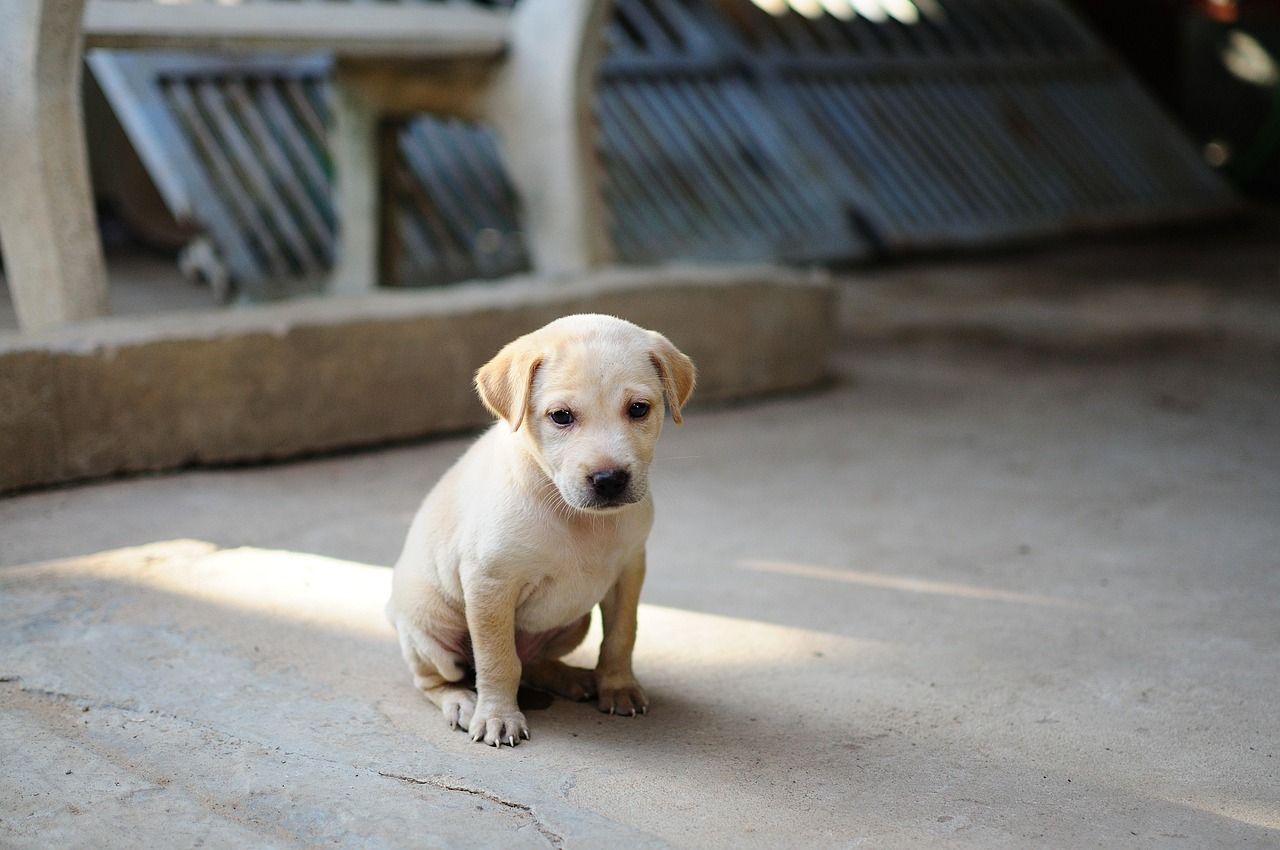

Puppy Vaccination Side Effects: What to Expect
Puppy vaccinations are essential for protecting your new pet against various diseases. However, like any medical procedure, some puppies may experience side effects. Common side effects might include mild fever, lethargy, and discomfort at the injection site. These reactions are typically short-lived and resolve within a day or two. Some puppies might show little to no reaction at all, while others may exhibit stronger signs. It’s essential to monitor your puppy closely after vaccinations for any unusual behavior. If severe reactions or symptoms occur, consult your veterinarian immediately. Understanding the side effects can help ease your worries. It’s also good practice to keep a record of each vaccination and any reactions noted. This helps your vet provide appropriate care if needed. Generally, the benefits of vaccination far outweigh the potential risks, as it prepares your puppy’s immune system to fight off harmful pathogens. Preparing for these reactions is key, so ensure your puppy is in a comfortable environment post-vaccination. Caring for them well during this recovery period promotes their well-being and helps avoid complications.
One of the most common side effects puppies experience after vaccination is mild fever. This is usually a temporary response by the body’s immune system, working as intended to build defenses against viruses. Keeping your puppy hydrated and comfortable during this period is crucial. You may notice your puppy being less active or wanting to sleep more than usual. It’s essential to provide a quiet, warm space for them to rest. Generally, this fever should resolve within 24 hours. If it persists or rises significantly, a vet visit may be necessary. In rare cases, puppies can develop allergic reactions to the vaccine. Symptoms of a severe allergic reaction include difficulty breathing, swelling, or vomiting. If you observe any of these symptoms, seek veterinary care immediately. It’s vital to prepare yourself for any possible side effects. Discussing your puppy’s vaccination schedule with your vet can help you anticipate any vaccination effects. Having a plan will lessen the anxiety you may feel post-vaccination. Staying informed plays a significant role in their overall health and helps ensure that your puppy is protected against severe illnesses.
Another side effect to consider is the soreness or swelling at the injection site. This reaction is common and usually resolves on its own within a few days. You may notice your puppy hesitating to play or avoid using the affected limb. Supervised play can help encourage movement without causing pain. If the sore area appears larger or doesn’t improve over a couple of days, consult your vet to rule out infection issues. While soreness is a typical response of the body, not all puppies react in the same way; some may exhibit no signs at all. That variance is to be expected, given the diverse immune responses seen in pets. Additionally, providing a cool compress may help alleviate local discomfort. You should also keep an eye on your puppy’s overall behavior. If they appear lethargic beyond normal or seem excessively uncomfortable, contact your veterinarian. Keeping up with future vaccinations is essential, and any side effects experienced shouldn’t discourage you from continuing. Routine vaccinations are critical to keeping your puppy healthy and are a proactive step toward preventing serious illnesses.
A Closer Look at Severe Side Effects
While most side effects of puppy vaccinations are mild and brief, it’s crucial to be aware of severe reactions which, although rare, can occur. Sometimes, these severe side effects manifest within minutes to hours after vaccination. This includes symptoms like severe lethargy, persistent vomiting, or seizures. Immediate veterinary intervention is critical in these instances. Having your veterinary clinic’s emergency contact number readily available can be a lifesaver. Discussing your puppy’s medical history with the veterinarian helps in creating an individualized vaccination plan. Furthermore, you should keep track of all vaccinations, including which vaccines your puppy has received and when. If other health concerns exist, your vet may opt for different vaccination protocols. Adequate pre-vaccination assessment can help minimize risks. Healthier puppies tend to handle vaccines better and exhibit fewer side effects. Avoiding stress before and after appointments can contribute to a positive experience. Always provide your puppy with a calm environment during recovery for optimal healing. The overall goal is to ensure your puppy receives the necessary protection without excessive discomfort or complications.
Prior to your puppy’s vaccinations, thorough communication with your veterinarian is essential. They can help set realistic expectations regarding side effects and how best to manage them. You may ask about different types of vaccines available and which ones are essential for your geographic area. Some vaccines are required by law, while others depend on your puppy’s family history or lifestyle. Informational pamphlets provided by your vet often outline key information regarding each vaccination type, helping you understand protocols. You may also want to inquire about the vaccine administration route, such as subcutaneous or intranasal options, which can impact side effects. Sharing concerns or experiences with fellow pet owners might aid in understanding what to expect next. Online forums and communities are also useful for gathering insights. Additionally, consider keeping a vaccination journal, recording dates, and any noticeable side effects. This log helps the vet have a better understanding of your puppy’s responses over time. Consistent communication ensures proactive approaches to managing health care. Remember, vaccinations not only defend your puppy but safeguard public health by preventing disease spread.
Understanding your puppy’s vaccination timeline helps you stay in tune with their health care needs. Following the recommended schedule from your veterinarian reduces the risk of your puppy contracting diseases. Remember that some vaccines require a series of doses spaced over time to build sufficient immunity. Therefore, adhering to the schedule is just as important as the vaccines themselves. After administering the vaccinations, always keep an eye on your puppy for up to 48 hours, as side effects may not manifest immediately. Creating a post-vaccination care routine can make this process more manageable for both you and your puppy. This routine may include light playtime, soothing interactions, and careful monitoring of their overall condition. If side effects are mild, patience and TLC typically help ensure a smooth recovery. Always feel free to use calming techniques such as gentle petting or soft talking to reassure your puppy. Should you have any questions or concerns post-vaccination, don’t hesitate to reach out to your veterinarian. They can provide valuable guidance and support to help alleviate your worries.
Moving Forward with Confidence
Being knowledgeable about puppy vaccinations and potential side effects empowers you as a pet owner. Recognizing that these vaccinations are fundamental in keeping your puppy healthy should ease any anxieties. Most puppies will encounter only minor side effects, if any at all. Understanding their significance allows you to prioritize your puppy’s health responsibly. Additionally, fostering a supportive and nurturing environment after vaccinations can help your puppy cope better. Create a designated space where they can feel safe, combined with monitoring their reactions over time. Each vaccination contributes to a healthier future, strengthening their immunity against various illnesses. Building a rapport with your veterinarian ensures you have a trusted expert guiding you through the process. Always ensure your puppy receives regular health check-ups and follow-up vaccinations as recommended. This ongoing care has a direct impact on longevity and quality of life. Education, preparation, and understanding allow you to navigate the vaccination journey confidently. Your commitment ensures your furry friend thrives and enjoys a long, happy life by your side.
Puppy Owners around the world face various challenges and joys when it comes to pet ownership. Vaccinations are vital, but awareness and action during recovery can likewise improve their experience. The bottom line is to stay informed and engaged with your puppy’s health care needs. As you walk the path of pet ownership, creating a loving, healthy environment will prepare your puppy for a bright future ahead. Embracing these small steps ultimately improves the overall quality of life for puppies everywhere. Your dedication to monitoring reactions, consulting with professionals, and ensuring timely vaccinations enables your puppy to thrive. With every choice made, you’re contributing to their well-being. Cherishing and supporting these young lives builds strong foundations for their growth into healthy adults. Stay proactive and patient throughout their development, and you’ll see the relationship bloom. The bond formed through caring for your puppy is priceless, leading to countless joyful moments. Continue your journey with knowledge, passion, and commitment to your puppy’s health, as these efforts yield immeasurable rewards.