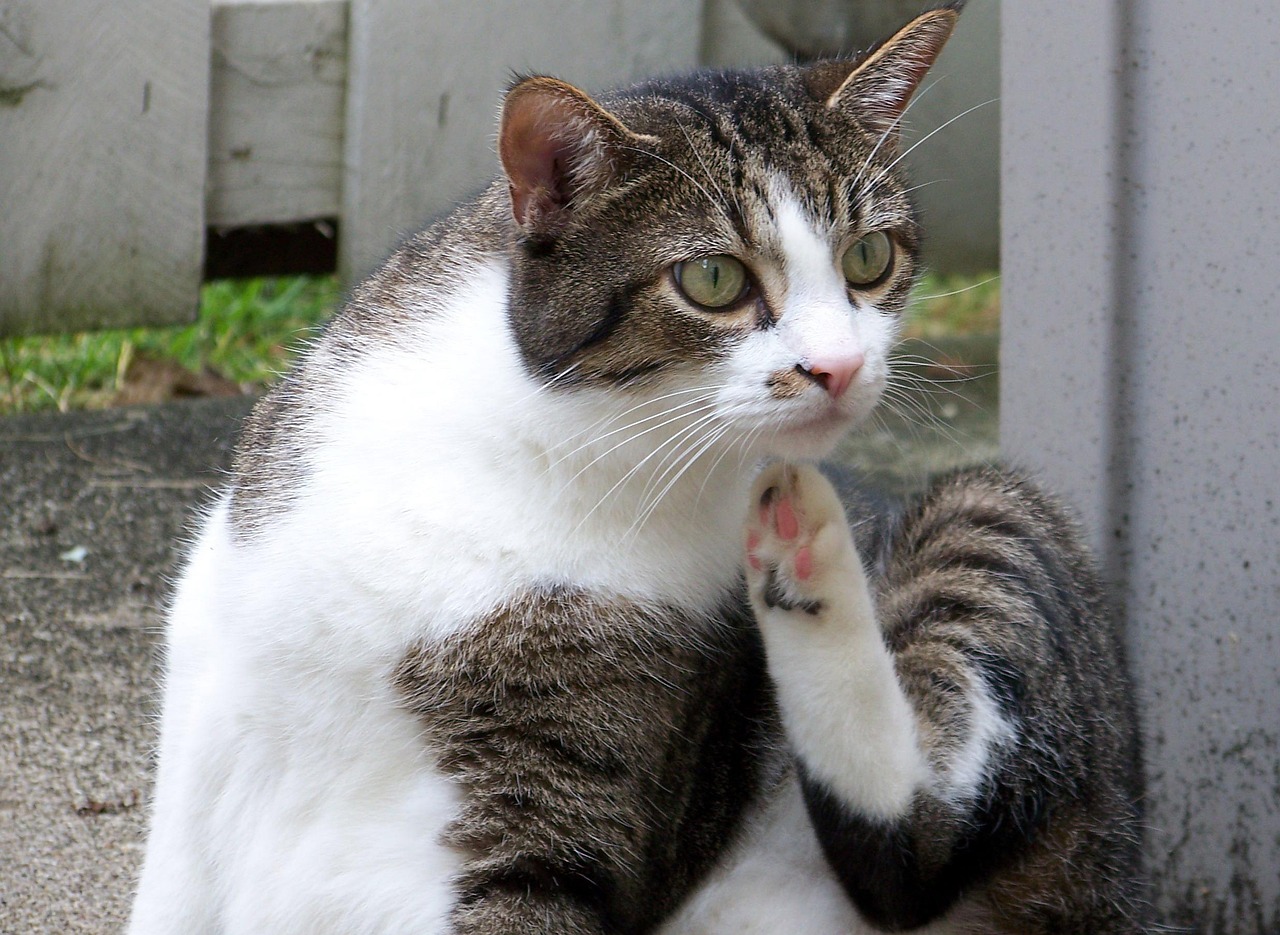

How to Make Scratching Commands Part of Your Daily Routine
Establishing a daily routine for your cat that includes scratching commands is essential for both the physical well-being of your feline friend and the comfort of your home. Begin by determining which areas of your home are problematic for scratching. Cats have natural instincts to scratch, and it helps keep their nails healthy and their claws sharp. Instead of discouraging this behavior, redirect it towards appropriate outlets. Set up designated scratching posts or pads nearby furniture items they’ve shown interest in scratching. Ensure you provide a variety of textures and materials to keep your cat engaged. If your cat is already used to certain behaviors, make it easier for them to transition using consistent commands. Start with simple commands and slowly incorporate them into everyday activities. Your positivity and patience are key when guiding your cat towards better habits. Reward them with treats and affection whenever they follow your command correctly. This positive reinforcement encourages them to continue and makes the experience enjoyable. Address any setbacks with a calm demeanor to maintain trust. Over time, you’ll see your cat naturally reach for those designated areas for scratching.
Success in making scratching commands a part of your cat’s daily routine boils down to consistency and timing. Timing is critical when using commands. Speak your chosen command clearly just as your cat approaches the intended scratching surface. This association teaches them the proper behavior they are expected to exhibit. Over time, they will learn to respond to your commands more instinctively. Always use a positive tone to create an encouraging environment. If your cat scratches the wrong surface, gently guide them to the correct spot instead of scolding them, as this could lead to stress. In addition, maintain patience. Learning a new command can take some time. Avoid becoming frustrated; instead, always reward your cat for their efforts. Keep an eye on the weather as well. During hot or cold seasons, cats might prefer certain textures that provide comfort. Adapt your scratching posts to seasonal changes. For instance, place softer, cushioned scratching options in colder months. This not only caters to your cat’s comfort but also keeps their scratching routine consistent throughout the year. Staying flexible with their preferences will enhance their interest in scratching behaviors.
Another crucial point in establishing scratching commands is interacting with your cat regularly. Engagement fosters trust and understanding between you and your feline friend. Spend quality time playing with them; this strengthens your bond and makes your commands more effective. Use toys that facilitate scratching, such as scratching pads or interactive toys that encourage your cat to engage their claws. While playing, you can also integrate commands. For example, say “scratch” when they engage with appropriate surfaces. Creating a direct link between the command and their action is vital. Furthermore, if you notice any areas prone to scratching, you might need to adjust your environment. Consider placing additional scratching posts strategically around the house to discourage scratching on furniture. Cats often choose locations based on visibility or comfort, so positioning matters. Consult your veterinarian or pet specialist if you face challenges adapting. They can provide insights into behavioral aspects you may not have considered. Adjustments might involve exploring different materials for scratching posts or addressing any stressors causing unwanted behavior.
Maintaining Motivation with Rewards
Utilizing a rewards-based system can significantly enhance the training process of scratching commands. Rewarding desired behaviors not only reinforces good habits but also instills motivation in your cat. Encouraging them with treats, praise, or playtime when they successfully scratch designated areas can lead to positive associations. Choose healthy treats to ensure their overall health balance remains intact. Bear in mind that timing for rewards matters greatly; offer rewards immediately after they comply with your command to create a direct correlation. This helps your cat understand the behavior you appreciate. Interactive play following successful scratching also works wonderfully as a reward, enriching their routine further. Keep a consistent height for scratching posts in your home, allowing your cat to scratch comfortably without straining. Your encouragement should never come off as confusion or frustration, as it may naturally deter them from cooperation. If your cat seems distracted or disinterested, briefly pause and attract their attention again. Consistency and enthusiasm can go a long way in embedding these desired scratching commands into their daily habits.
Adjustments and variations in their environment can also help when establishing scratching commands. Providing options is essential since cats have individual preferences, enabling them to choose which types of scratching surfaces they prefer. Experiment with various materials like carpet, cardboard, or sisal fabric. This enables you to find what your cat selects most often. An essential aspect of having multiple scratching posts is placing them near their sleeping or play areas. This encourages natural scratching behavior, which correlates with their relaxation or activity times. Areas with varying textures can also captivate their interest more. Always assess your cat’s reaction during playtime or scratching sessions to adjust accordingly. If you notice them gravitating toward specific surfaces, consider directing them there consistently. Alongside physical adjustments, monitoring behavioral signals is critical. Cats often display signs indicating preferences or specific moods related to scratching activities. Watch for trends or changes over time to adapt your approach effectively. Always remember to remain flexible; routines may need altering as they grow or experience changes in environments or lifestyles.
Creating a Comfortable Space
Another vital element in developing effective scratching commands is ensuring your cat has access to a suitable and engaging environment. Proper placement of scratching posts can make a significant difference, and you should consider various locations based on their behavior. Observe where your cat likes to spend most of their time, as this will enhance their interest in designated scratching areas. Placing a scratching post near their favorite resting spot can make all the difference. Regularly rotating the posts to different areas maintains their interest and prevents monotony. Also, consider using pheromone sprays or catnip near these areas to attract their attention and encourage exploration. The environment should not only be functional but also stimulating, offering opportunities for play and rest. Clearing clutter from their spaces can foster a more inviting atmosphere specifically for scratching activities. Alongside visual appeal, ensure that their scratching surfaces are stable and sturdy to withstand their enthusiasm. Cats often scratch to alleviate stress, so providing a comfortable ambiance can greatly influence how they respond to your commands. An enriching environment contributes positively to their overall well-being.
Lastly, reflecting on progress is essential to gauge how well your scratching commands have integrated into your cat’s daily routine. Make it a priority to evaluate how your cat interacts with the scratching posts over time. By maintaining a routine that includes observing your cat’s scratching preferences, you can make necessary adjustments based on their evolving behavior. Consider keeping a notebook or log documenting their responses to the commands and the frequency of scratching near designated spots. If you notice any regressions, it might indicate that changes are needed in your training approach. Continuous monitoring provides valuable insights that allow for timely intervention in their training process. Reassessing regularly ensures you adapt to their evolving needs, particularly if life changes arise, such as a new pet or family member. If you find that certain methods aren’t yielding expected results, don’t hesitate to explore new techniques or consult a pet behaviorist. Always remember the journey involves patience, commitment, and adaptability. Ultimately, creating an enriching environment for scratching can lead your cat to a happier and healthier lifestyle.
As you conclude this process of incorporating scratching commands into your cat’s life, keep the long-term benefits in mind. The positive impact of fostering good scratching habits extends beyond mere training; it consistently nurtures their well-being and boosts their overall happiness. These commands serve as a bonding experience between you and your cat. As they gain confidence in responding to your requests, you’ll nurture a relationship built on trust, gratitude, and affection. Your cat becomes more responsive to your needs, just as you become more attuned to theirs. In this rewarding partnership, proper communication helps facilitate a harmonious living environment for both of you. The time and effort invested in this learning process strengthen your connection. Moreover, adjusting your strategies along the way is integral to capturing your cat’s interest and enthusiasm. By continuing to evolve your approach, you’ll ensure they receive the mental and physical stimulation they crave. Adopting effective scratching commands paves the way for a joyful cohabitation. As you embrace this transformative journey together, celebrating small victories reflects your commitment to their well-being.