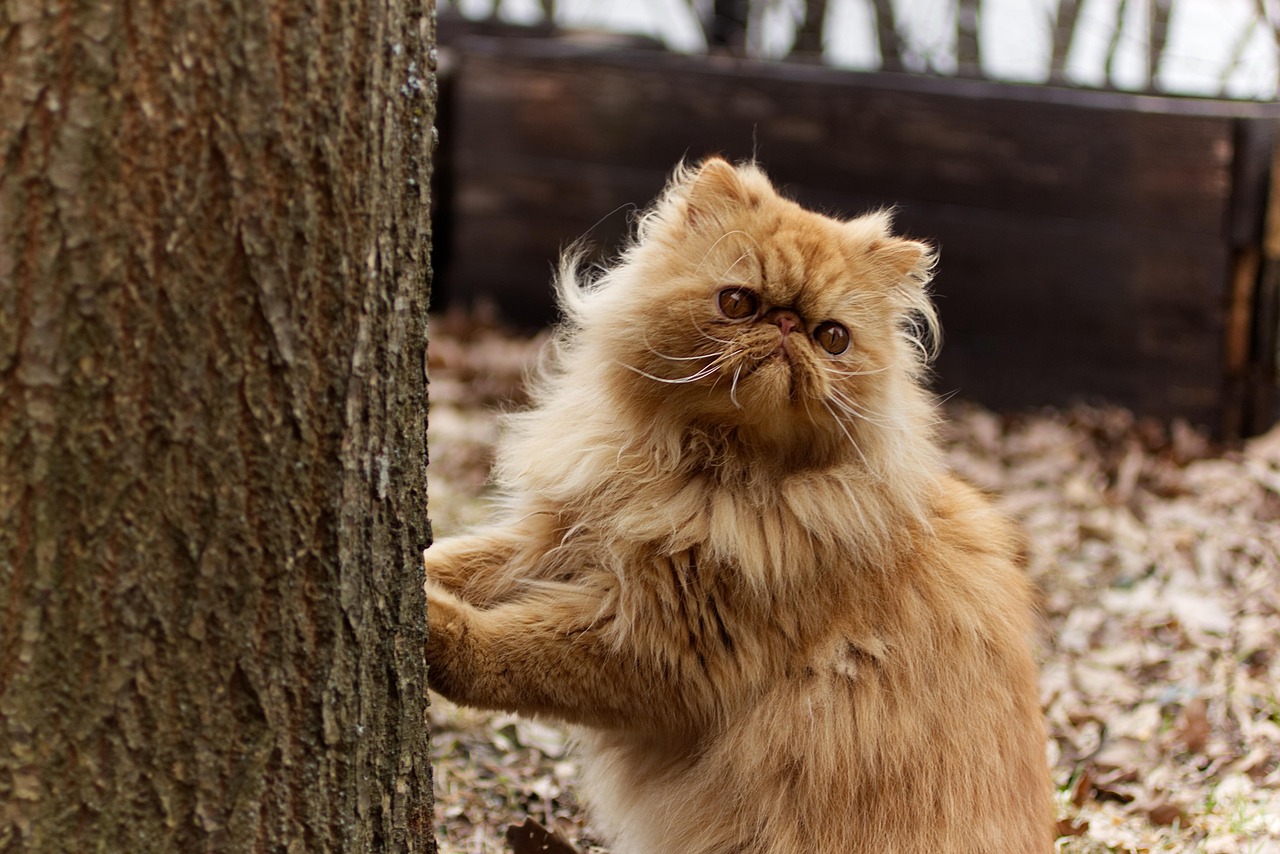

Common Myths About Persian Cats Debunked
Persian cats are some of the most cherished feline companions around the world. Despite their popularity, several myths about them persist. One common misconception is that they are lazy and indifferent. In reality, Persian cats are quite affectionate and enjoy interacting with their families. They thrive on companionship and often seek out their owners for attention. This breed is known for its calm demeanor, making them ideal indoor pets. Another myth is that Persian cats are high-maintenance due to their long coats. While grooming is necessary to keep their fur looking its best, a regular brushing routine can significantly reduce matting and shedding. In fact, many owners find the grooming process helps strengthen their bond with the cat. Also, some believe that Persian cats are prone to constant health issues. While they do have some genetic predispositions, proper care and regular vet visits can lead to a happy, long life. Understanding and debunking these myths can help prospective owners better appreciate the beauty and personality of Persian cats, leading to a more fulfilling relationship with these lovely companions.
Another common myth is that Persian cats are not playful and prefer to be left alone. Contrary to this belief, they have a playful side that often surprises their owners. They can enjoy interactive playtime using toys like feathers and lasers, keeping their minds sharp and bodies active. Additionally, some people think that Persian cats do not get along with other pets. While every cat has its unique personality, many Persians can coexist harmoniously with other animals, provided they are introduced correctly and given time to adjust. It’s important for cat owners to nurture socialization in their Persian cats from a young age. Many also believe that they are not trainable, but in fact, these intelligent creatures can learn tricks and commands with patience and positive reinforcement. Their loving nature makes them respond well to training. Furthermore, some pet owners assume that Persian cats do not need exercise. In reality, consistent play sessions and some exploration can promote physical and mental well-being. Engaging them in activities helps prevent obesity, which can be a concern in less active cats. Overall, informing oneself about the true nature of Persian cats is essential to enjoy a fulfilling relationship.
Persian Cat Dietary Needs
When considering the dietary needs of Persian cats, many myths arise as well. One prevalent myth suggests that all cats can thrive on any cat food. However, the Persian breed has specific requirements due to their unique body structure and metabolism. Owners should provide a balanced diet rich in proteins and low in carbohydrates to support their energy levels and overall health. Some individuals mistakenly believe that dry food alone is sufficient; however, including wet food can help maintain hydration and digestive health. Furthermore, there’s a misconception that feeding cats human food as treats is acceptable. While small amounts may be harmless, many human foods can be toxic to cats and should be avoided entirely. Additionally, some people think that regular feeding is enough; however, portion control and a scheduled feeding routine are crucial to preventing obesity in Persians. The myths surrounding their diet can lead to severe health consequences over time. It’s advisable for owners to consult with a veterinarian to create a tailored meal plan that meets their Persian cat’s needs effectively and supports their long-term health and happiness.
People often assume that Persian cats do not require much social interaction and can be left alone for extended periods without issue. This couldn’t be further from the truth! Persian cats thrive on companionship and can experience anxiety when left alone for too long. Owners should be mindful of their cat’s emotional needs and ensure they have plenty of stimulation while they are away. Moreover, some believe that Persians are not good for families or children. In fact, many Persian cats are gentle, tolerant, and affectionate, often forming strong bonds with young family members. Proper introductions and teaching children to respect their feline friends are key to forming a harmonious household. Furthermore, a myth claims that Persian cats lack intelligence compared to other breeds. However, these cats are quite intelligent and can easily learn various commands, tricks, and even some basic manners. Engaging their minds with interactive toys and puzzle feeders can be beneficial. Addressing these misconceptions about Persian cats enhances their appeal and encourages potential owners to consider adopting one of these beautiful felines as a beloved family member.
Health and Grooming Misunderstandings
Health myths often lead prospective owners to overlook Persian cats as they are believed to be frail or overly susceptible to diseases. While some Persians may have hereditary issues, most are quite robust with proper care. Regular veterinary check-ups, a nutritious diet, and timely vaccinations play major roles in keeping them healthy. Another common misunderstanding is that Persians should not be bathed. In fact, appropriate grooming is essential not only for their appearance but also for their skin health. Many owners might believe they lack grooming skills, but learning some basic techniques can keep a Persian’s coat in excellent condition. Additionally, many individuals think that all long-haired breeds are prone to constant matting. While it’s true that tangles can form, frequent grooming sessions can easily manage this. Some might even assume that due to their luxurious appearance, Persians require expensive care. However, good grooming and maintaining a healthy lifestyle don’t have to break the bank. Finally, finding the right vet experienced with Persians can make a difference in their long-term health and well-being, allowing cat lovers to properly care for their furry companions.
Another prevalent myth is that Persian cats are inherently unfriendly or aloof. This stereotype often stems from their sometimes reserved nature when meeting new people. In reality, many Persian cats are incredibly loving and affectionate with their families. They often form deep bonds with their owners and demonstrate their love through gentle headbutts and purring. Some people believe that Persians are not vocal cats, assuming they are quiet. However, many Persians can be quite chatty, using a range of soft sounds to communicate their feelings or desires. Additionally, there is a misconception that a Persian’s temperament is always calm and composed. While they generally have a laid-back demeanor, they can also exhibit playfulness and curiosity just like any other cat. Furthermore, many might think that Persians are not suited for first-time cat owners, but they can be quite adaptable if properly introduced to their new environment. These myths often discourage potential cat owners and can lead to misunderstandings. Understanding the truth about Persian cats will help potential owners appreciate their charming personalities and facilitate proper care, fostering a loving environment for these cats.
Conclusion: Embracing the Myths
In conclusion, recognizing and debunking common myths about Persian cats is crucial for potential owners. Accurate information fosters a better understanding of these unique animals, enhancing the bond shared between pet and owner. Many myths are simply rooted in misunderstanding the breed’s natural behaviors or needs. By acknowledging their affectionate, playful, and sociable nature, potential owners can make informed decisions about their care. The importance of proper grooming, a balanced diet, and regular veterinary care cannot be overstated for this breed, ensuring a long, healthy life. Furthermore, it is essential to remember that, like any pet, each Persian cat has its distinct personality, making some more playful than others. Just as with any relationship, patience and love will help build trust and companionship. Embracing the truth about Persian cats opens the door to unique feline experiences filled with joy and affection. Pet ownership is a rewarding journey that allows for growth, learning, and a deeper appreciation for these majestic creatures. Ultimately, understanding the realities behind these myths enriches the life of both the cat and the owner, leading to a fulfilling bond.
Finally, it’s worth mentioning that community resources can provide valuable information and support for new owners. Online forums dedicated to Persian cats often share advice about grooming, health, and feeding. Connecting with experienced Persian cat owners can also prove beneficial, allowing newcomers to gain insight into the unique challenges and joys of having a Persian. As with any breed, learning from others can ease the transition into pet ownership. Moreover, considering adopting from shelters or rescue organizations can provide homes to cats in need while allowing owners the chance to experience the loving nature of Persians. Overall, dismantling these myths serves to promote a deeper understanding of Persian cats, their needs, and their incredible personality. Education, compassion, and community support should guide new Persian cat owners as they embark on their journey. This process ultimately leads to happier pets and more fulfilling lives for everyone involved. Knowing what to expect helps both owner and pet enjoy their time together. Embracing the truth will allow for a rich, loving relationship, positively impacting both the cat’s and owner’s well-being.