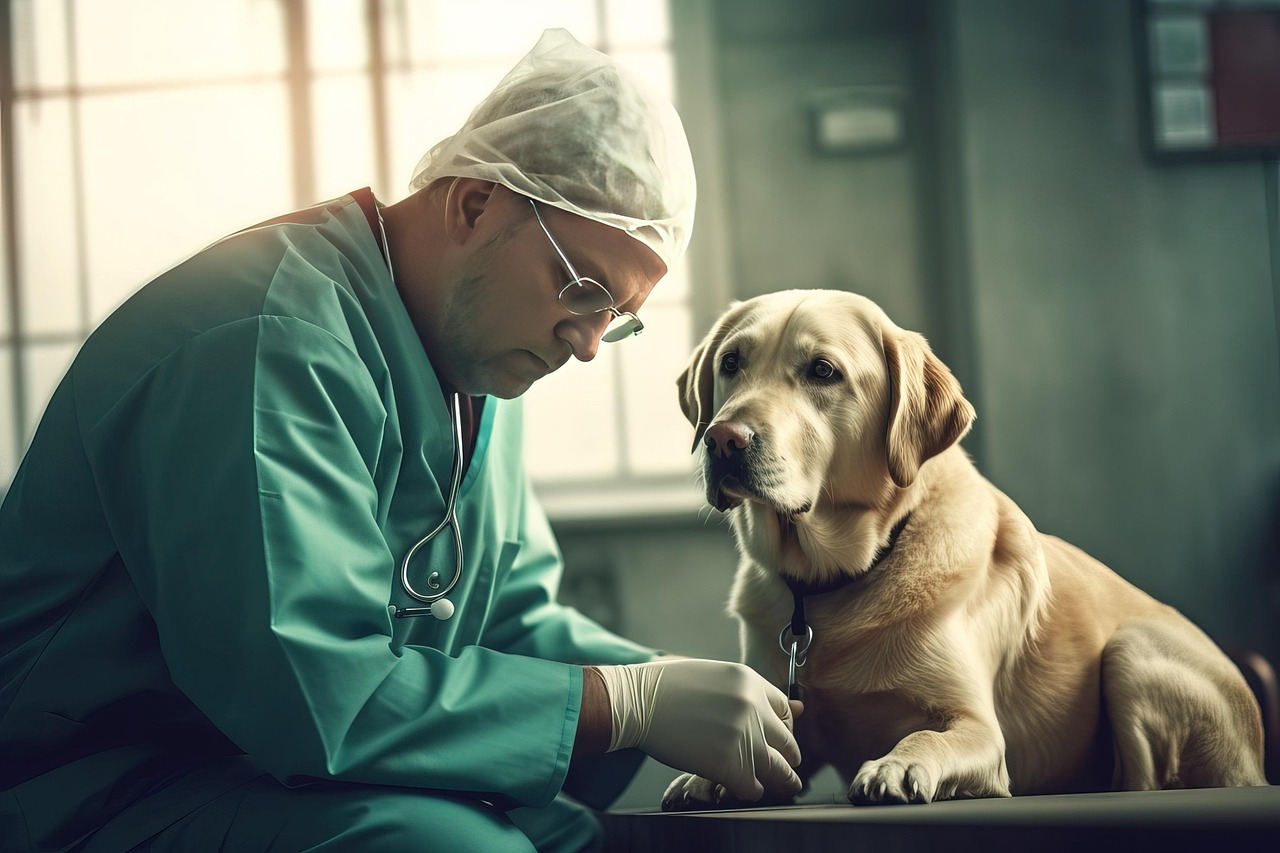

Vaccination Strategies to Protect Your Dog from Parvovirus
Parvovirus infection is a significant health risk for dogs, especially puppies and unvaccinated adults. This virus is highly contagious and can lead to severe gastrointestinal issues, dehydration, and in some cases, death. Vaccination is the most effective way to protect your dog against this dire threat. Understanding the nature of the virus and how it spreads is crucial for dog owners. The virus is transmitted through direct contact with infected dogs or contaminated environments. It can survive in the environment for months, making it challenging to control. A well-planned vaccination strategy can greatly reduce your dog’s risk of infection. Puppies should receive vaccinations starting at six to eight weeks of age, typically through combinations that include protection against parvovirus. However, new dog owners might not be familiar with booster shots and the importance of follow-up vaccinations. Each dog has a unique vaccination schedule influenced by lifestyle and health factors. Consulting your veterinarian about the timing and frequency of vaccinations is key to ensuring your dog’s safety and health. Keeping thorough records of vaccinations is also essential for both your dog’s safety and compliance with local regulations.
Importance of Early Vaccination
Early vaccination is crucial in preventing parvovirus infection in dogs. Puppies are particularly vulnerable to this aggressive virus, so timely vaccinations can save lives. After birth, puppies receive temporary immunity from their mother’s milk, known as maternal antibodies. However, this immunity fades over time, usually between six to fourteen weeks of age. During this window, puppies are at great risk if exposed to the virus. Vaccinating puppies at six weeks and continuing the series every three to four weeks until they are at least sixteen weeks old is essential. This routine ensures that they develop sufficient immunity to combat parvovirus effectively. Skipping or delaying vaccinations can leave puppies unprotected when they are most susceptible. In addition, breeders or shelters should ensure that their puppies are vaccinated before they go to new homes. Responsible pet ownership includes being proactive about vaccinations, understanding the timetable, and strictly adhering to it. Owners should also consult with their vets to address any anomalies regarding health or immune system concerns. By prioritizing early vaccinations, you’re setting a solid foundation for your dog’s long-term health and immunity against parvovirus infection.
Understanding the signs and symptoms of parvovirus is also essential. Many pet owners may not realize their dog is infected until symptoms become severe. Common indicators include lethargy, severe gastrointestinal distress, vomiting, and diarrhea, often bloody. Rapid deterioration can occur, and without immediate medical intervention, the effects can be fatal. For this reason, vaccinations cannot be taken lightly. Always monitor your dog, especially puppies, for any of these symptoms, and consult a veterinarian immediately if they appear. Early recognition of parvovirus symptoms can significantly improve outcomes for infected dogs. It’s also wise to discuss vaccination concerns or side effects with a veterinarian, as this helps debunk myths surrounding vaccines. It’s essential for dog owners to remain informed about vaccination schedules and the role they play in defending against canine diseases. Maintaining ongoing communication with a veterinarian keeps pet owners updated on new developments in canine health and suitable preventive measures. Consequently, awareness and education play critical roles in reducing the prevalence of parvovirus in communities and ensuring healthier lives for dogs.
Moreover, creating a safe environment is vital in protecting your dog from potential exposure. Parvovirus can survive outside the dog for long periods, leading to high risks in dog parks, borders, and public places. Limit your puppy’s exposure to these areas until fully vaccinated. Always clean up after your dog to minimize the contamination of shared spaces. It’s crucial to establish a clean routine that includes cleaning surfaces, personal items, and areas frequently accessed by your dog. Using appropriate disinfectants that target canine parvovirus is necessary. When introducing new dogs to your home or visiting others, ensure that they are current on vaccinations to reduce the risk of transmission. Always practice good hygiene by washing hands after handling dogs, especially around puppies and in high-risk areas. Keeping your dog away from unvaccinated dogs aids in limiting their chances of encountering infections. Vaccination is important, but responsible dog ownership encompasses a holistic approach that includes minimizing exposure risks. By following these practical guidelines, you can create a safer environment and protect your dog against parvovirus and other infectious diseases.
Regular Veterinary Check-ups
Regular veterinary check-ups are essential to uphold your dog’s health, particularly regarding vaccines. Routine examination allows vets to monitor your dog’s overall health and adjust vaccination schedules as necessary. During these visits, your veterinarian may recommend various vaccinations based on your dog’s lifestyle, breed, and age. Vaccines are not one-size-fits-all; understanding your dog’s specific needs is integral to effective health management. These visits also allow for a thorough assessment of your dog’s reactions to vaccinations. Some dogs experience mild reactions, which can be monitored and addressed quickly, while others may have underlying conditions that require special attention. Maintaining an open dialogue with your vet ensures that you are well-informed about the best practices concerning vaccination for your dog. Additionally, these appointments offer opportunities to learn about any new health trends or potential outbreaks of canine diseases, including parvovirus. Staying informed can shape your dog’s future healthcare strategy, enabling you to make educated decisions regarding preventative measures. Therefore, regular check-ups are a critical aspect of owning a healthy dog, providing peace of mind for you and a healthier lifestyle for your canine companion.
In conclusion, implementing vaccination strategies against parvovirus is vital for ensuring your dog’s health and well-being. The fight against parvovirus begins with responsible ownership, starting with early vaccinations to develop immunity. Consistent vet visits are equally important in refining vaccination schedules and safeguarding your dog against emerging threats. Being conscientious about your dog’s environment can dramatically mitigate exposure risks. While vaccinations are a remarkable line of defense, they work best when complemented by diligent care and awareness. Moreover, observing your dog’s health following vaccinations helps determine the efficacy of the shots. Pet owners play a pivotal role in this battle against parvovirus by prioritizing education and proactive care. Furthermore, it is never too late to start an appropriate vaccination protocol if you have an older dog. Understanding that older dogs can still benefit significantly from vaccinations and check-ups is key to long-term health management. Armed with knowledge and support, dog owners are well-positioned to protect their furry friends from parvovirus and promote healthier canine communities.
As awareness about parvovirus grows, utilizing community resources can enhance your vaccination strategies. Many communities offer low-cost vaccination clinics, which provide an excellent opportunity for pet owners to protect their pets against diseases. Participating in local vaccination drives not only benefits your dog but also contributes to overall community health. Educating fellow dog owners about the importance of vaccinations can help raise awareness further. Your voice can influence the health of dogs in public parks, shelters, and neighborhoods. Being proactive about educating others about the importance of vaccinations can create a ripple effect, necessitating discussions around responsible pet ownership. Furthermore, local dog clubs and organizations often have resources and networking opportunities to foster knowledge about canine health best practices. Your involvement in these groups enhances not only your knowledge but also emphasizes community-wide responsibility for canines. The goal is to create environments where dogs can thrive, minimizing the spread of parvovirus and other diseases. By coming together, pet owners can establish a standard of care that ensures health and safety for all dogs in their vicinity.
Ultimately, embracing a comprehensive approach towards parvovirus includes vaccination, education, and community engagement. Your dog’s health relies on informed decisions regarding vaccinations and preventative care. Consider educating yourself further on parvovirus through literature or trusted veterinary resources, ensuring that you are well-equipped to protect your pet. This not only safeguards your dog but raises awareness about the importance of vaccinations among fellow dog owners. Contributing to a culture of preventive care can ultimately help eradicate the risks associated with parvovirus over time. By prioritizing vaccinations and advocating responsible pet ownership, you foster a legacy of health that benefits future generations of dogs. Dogs enrich our lives, and ensuring their well-being is a shared responsibility. So, take a proactive stance: ensure your furry friend is vaccinated, keep a clean environment, and support community efforts to combat parvovirus. Together, these actions can make a significant difference. Let’s strive to create a world where every dog is protected against parvovirus, enjoying a long, happy life alongside their loving owners. The full impact of these efforts cannot be understated; a well-vaccinated community means healthier dogs and happier homes.