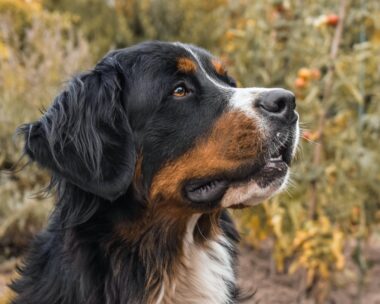

Bernese Mountain Dog First Aid and Emergency Care
When it comes to the Bernese Mountain Dog, understanding first aid and emergency care is essential for every owner. First, always have a well-stocked pet first aid kit ready. Some basic supplies include antiseptics, adhesive bandages, gauze pads, and tweezers. Consider keeping an emergency contact list, including your veterinarian and the nearest emergency pet clinic. Training yourself in basic dog first aid principles can prove beneficial in emergencies. It’s vital to know how to assess if your dog is in distress. Observing your dog’s behavior and physical condition will provide clues. Symptoms such as excessive panting, vomiting, or lethargy typically signal that something is wrong. Identifying an emergency allows prompt actions to be taken. Always remain calm, as your demeanor can significantly affect your dog’s response. For situations like choking, knowing how to perform the Heimlich maneuver is crucial. Pulling them away from danger requires quick thinking. Lastly, always transport your dog safely to the veterinarian during serious emergencies to avoid further injury. Your preparedness could make a difference in saving your dog’s life in critical situations.
When dealing with injuries specific to Bernese Mountain Dogs, knowing the most common issues is vital. These majestic pets can experience situations like cuts, bruises, or even fractures. If your dog sustains a cut, clean the wound with mild soap and water before applying antiseptic. Keeping the area clean helps prevent complications. In case of a fracture or suspected fracture, don’t attempt to move your Bernese Mountain Dog much without professional help. Instead, keep the dog as calm and still as possible until a veterinary professional can examine them. Common symptoms of serious conditions include limping, visible pain, or limited mobility. Furthermore, heatstroke is a severe concern, especially in warmer months. Signs include excessive panting and disorientation. In such instances, immediately move your dog to a cool place and dampen their fur. Offer them water, but don’t force them to drink. For poisoning cases, try to identify the toxin and contact your veterinarian immediately. Having a list of toxic plants and substances can prevent accidental poisoning, making it critical for all pet owners. Regular check-ups can help maintain your dog’s well-being and preemptively address these potential emergencies.
Recognizing Emergencies in Bernese Mountain Dogs
Recognizing when your Bernese Mountain Dog requires immediate medical attention is crucial for their safety. Often, subtle cues may indicate serious health issues. For instance, if your dog exhibits trouble breathing, lethargy, or has pale gums, these symptoms may suggest underlying health problems. Furthermore, excruciating abdominal pain may also signal a critical situation, possibly indicating bloat, which is life-threatening. In addition to these signs, frequent vomiting or diarrhea should be viewed as a warning sign. The risk for dehydration increases significantly in these cases. Always monitor your dog’s behavior following ingestion of new food. Similarly, observe their reaction to changing temperatures, as this breed can be sensitive to extreme heat or cold. Swelling, redness, or hot spots also deserve prompt attention. It’s recommended to keep emergency numbers handy, allowing quick decisions during an urgent situation. Do your best to remain calm if your Bernese exhibits severe symptoms; this steadiness reassures them as you act. Regular training sessions focused around emergency procedures can equip you with the knowledge necessary for addressing possible issues, bolstering confidence in uncertain times.
For any emergency involving bleeding, immediate actions are essential. First, apply gentle pressure to the bleeding area with a clean cloth or bandage to help control the flow. Maintain direct pressure for several minutes while assessing the severity. If the bleeding does not stop or is significant, seeking veterinary assistance should be your next step. If the injury is on a limb, you may need to immobilize the area with a splint or rolled-up gauze to limit mobility until certified help arrives. Additionally, keep in mind that serious injuries like fractures require rest; keep your Bernese confined to a safe space to avoid further harm. In cases of severe burns, you should cool the area with running water for 10-20 minutes and then cover with a clean cloth. Never use ice, as it can worsen the damage. For eye injuries, flush the eye gently with clean water to remove debris. If irritation persists, consult your veterinarian promptly. Always reassure your dog during these treatments; your calm presence can help soothe your Bernese Mountain Dog during stressful emergencies.
Post-Emergency Care for Your Bernese Mountain Dog
After handling an emergency, monitoring your Bernese Mountain Dog’s recovery becomes essential. Providing a calm and comfortable space aids in their rest and healing. Ensure that they have access to fresh water, as hydration is critical post-incident. Depending on the injury, modifications to their diet might be required. Consult your veterinarian regarding suitable foods or supplements to promote recovery. Keep an eye on their behavior and any lingering symptoms like swelling or pain that may require further attention. Administer any prescribed medications as indicated to aid healing. Pain management is also important; observe your dog for signs of discomfort and inform your vet immediately if issues arise. Regular check-ups post-emergency can help track your dog’s recuperation and detect any complications early. Create a safe environment, as a calm atmosphere can speed recovery for your Bernese Mountain Dog. If your pet seems anxious or distressed, try offering comforting toys or familiar blankets. Ensure that they are resting properly and receiving time to recuperate fully. Your attention and care during this time can make a significant difference in their recovery journey.
Preventive measures play a vital role in minimizing emergencies for your Bernese Mountain Dog. Regular veterinary visits are essential to monitor overall health and address any underlying conditions. Discussing vaccinations and parasite prevention during these visits can reduce common health risks. Additionally, maintaining a healthy diet tailored to their size and energy levels contributes significantly to a strong immune system. Providing regular exercise is crucial—not only for physical health but also mental stimulation. Regular walks, combined with play areas safely designed, will keep your dog active and engaged. Training your Bernese can prove invaluable to reinforce desired behaviors, ensuring they remain safe during outings. Always supervise interactions with other pets and animals, particularly when your dog is in unfamiliar environments. Socialization can improve their confidence and reduce anxiety. Providing regular dental care is crucial, as many health issues stem from poor oral hygiene. Speak with your vet about appropriate dental products and techniques. Lastly, ensure your Bernese is microchipped and that they wear a collar with identification tags. Developing these habits not only protects your dog but brings peace of mind for you as an owner.
Conclusion on Emergency Preparedness
In conclusion, being prepared for emergencies is non-negotiable for every Bernese Mountain Dog owner. Knowing how to administer first aid can provide immediate assistance while waiting for professional help. Regularly review the first aid measures tailored to your dog’s unique needs and potential ailments, ensuring you remain prepared for an unexpected situation. Equipping yourself with essential supplies in a designated first aid kit is crucial; keep a list of local resources handy. Most importantly, self-education through seminars or books on canine first aid deepens understanding. Encourage the whole family to participate in emergency preparedness training, ensuring everyone knows their roles. Additionally, forming a relationship with your veterinarian can ease future interactions during emergencies. Establishing effective communication lines with your vet can expedite crucial care. Also, foster a proactive approach by establishing a routine for regular check-ups and vaccinations. A well-trained and healthy dog is less likely to encounter life-threatening situations. Ultimately, your dedication to ensuring your Bernese Mountain Dog’s safety can be the difference between a manageable situation and a serious emergency.
By fostering a vigilant and informed approach to your Bernese Mountain Dog’s health, emergencies can become manageable events rather than disasters. Maintain a positive relationship with your furry friend to make addressing their needs more intuitive. Regular communication regarding their health status can offer valuable insights. Empowering yourself through knowledge guarantees that when those unexpected moments arise, you will find yourself prepared to handle anything your beloved companion faces. After all, the bond you share is truly worth the investment in time and effort required to ensure their well-being. Developing a proactive mindset will safeguard against many emergencies. Always remember to enjoy the time spent with your Bernese; they bring immense joy and companionship. Regular outdoor activities and quality time will enhance your bond, ensuring that both you and your pet thrive. Being proactive about your dog’s health and safety creates a harmonious living experience and fosters a connection filled with love and trust. Your attentiveness and care will strengthen your relationship with your Bernese Mountain Dog, ensuring they feel safe and cherished, which ultimately leads to a happier life for both of you.