
How Grooming Sessions Can Enhance Dog Socialization
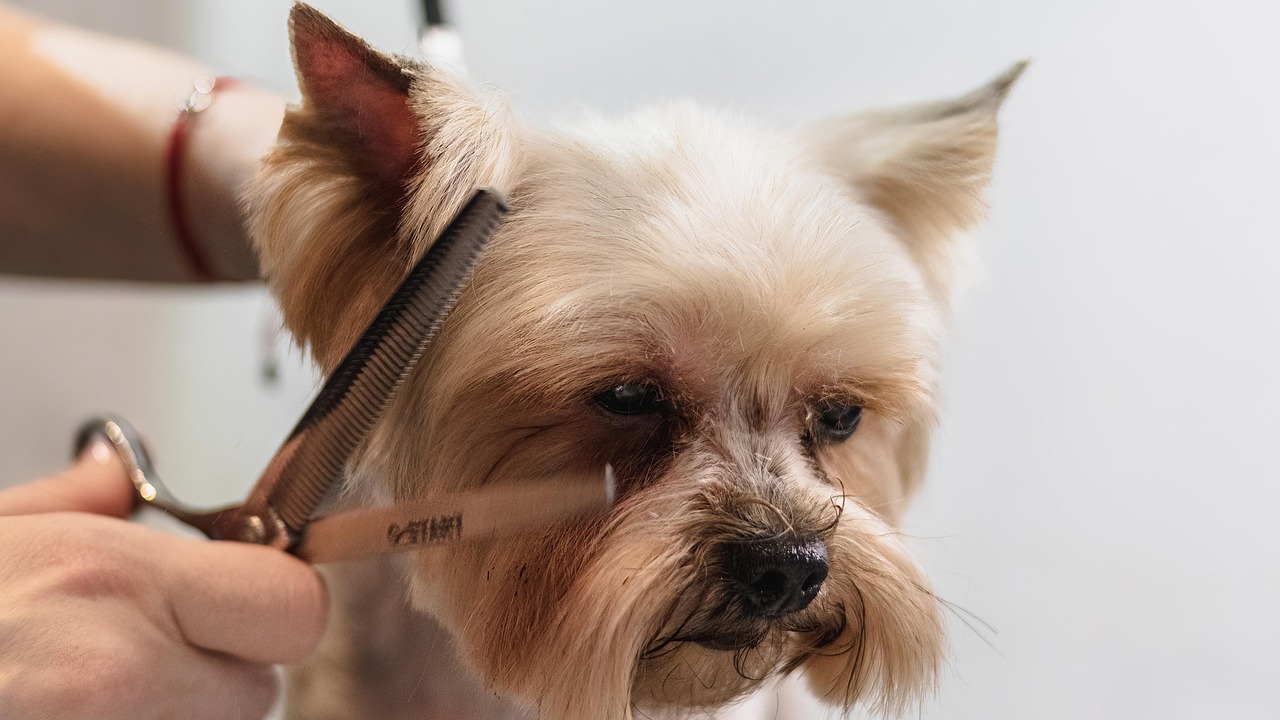
Grooming sessions play a significant role in enhancing dog socialization. When a dog is groomed regularly, it helps them build trust not just with their groomers but also with other dogs around them. These interactions can introduce dogs to new environments and various stimuli, which is crucial for their development. Exposure to different sights, sounds, and smells during grooming can reduce anxiety. Grooming also involves purposeful physical touch that helps dogs become comfortable with human handling, which translates well to social interactions with both people and other dogs. Regular grooming can facilitate better tolerance of handling, a crucial aspect during socialization events. In addition, well-groomed dogs often show improved confidence. A proper grooming routine establishes a bond between the pet and their owner. Owners can engage in a calming environment, reducing stress associated with grooming. Thus, it can be beneficial for both dogs and their owners. Moreover, socialized dogs can display better behavior when meeting new dogs in settings like parks. Overall, grooming not only keeps pets clean but also serves as a fundamental component of their social development.
Building Trust Through Grooming
As dogs receive consistent grooming, they begin to form a trusting relationship with their groomers and owners. This trust can lead to improved social behavior in various scenarios. A dog that feels secure during grooming will likely be more comfortable meeting new dogs in parks or at playdates. The calming atmosphere created during grooming sessions encourages dogs to remain relaxed, which is beneficial in unfamiliar settings as well. Additionally, establishing a grooming routine helps dogs anticipate and accept new experiences positively. The less anxious a dog is about grooming, the more open they are to social situations outside the grooming setting. Socialization becomes an extension of the positive experiences they associate with grooming time. Each grooming appointment becomes a trusted, safe place to practice patience and develop strong communication skills. Dogs not only learn to trust their groomers, but they can also learn to enjoy the process. This reinforces their understanding of touch and social cues. This increased comfort during handling can lead to better behaviors in group settings, paving the way for enjoyable social interactions with other dogs and humans.
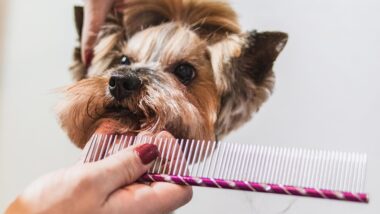
Furthermore, grooming sessions can serve as an effective training tool for dog owners. Grooming provides opportunities to teach essential commands and behaviors in a controlled and focused environment. For instance, teaching a dog to sit or stay can be easier during grooming since their attention is likely focused on the handler. Gradually introducing new items, such as brushes or clippers during grooming, can desensitize dogs to grooming tools. This desensitization is crucial to ensure their acceptance and comfort, particularly when being around other grooming situations. Owners can simulate social environments by inviting other well-behaved dogs while grooming. This helps dogs practice their social skills and become more accustomed to other pooches. Additionally, owners can also introduce positive reinforcement through treats or praise during grooming. Associating grooming with rewards encourages dogs to respond positively. This leads to a more mentally stimulating session. Grooming routines can also help dogs learn patience. Ultimately, through persistent training strategies intertwined with grooming processes, dogs not only become manageable but can also thrive socially, interacting well with others.
Creating Positive Associations
Creating positive associations during grooming is integral to successful dog socialization. When dogs connect grooming with enjoyable experiences, they are more likely to develop a calm demeanor around other dogs. This association reduces the likelihood of fearful or aggressive behaviors typically seen in unsocialized dogs. Employing treats during grooming sessions can significantly enhance the overall experience. Positive reinforcement can help reinforce desirable behaviors, ultimately shaping a well-rounded and friendly temperament. Over time, dogs will begin to associate grooming as a joyful occurrence. Owners can gradually incorporate familiar sounds or smells that dogs respond positively to during these sessions. This promotes comfort and reassurance, helping dogs to ease into social situations with other animals. Establishing a safe and welcoming environment during grooming can also prove effective in reducing anxiety levels. The more relaxed a dog is during grooming, the better they will react in social environments. Additionally, making grooming enjoyable fosters a closer bond between the pet and the owner. By ensuring that grooming sessions remain a positive experience, owners can facilitate improved social interactions for dogs, making them more adaptable companions.
Moreover, careful and regular grooming can improve health and hygiene, essential for social interaction. Healthy dogs are more likely to engage positively with others, advancing their social skills. For instance, regular grooming helps keep a dog’s coat clean and free of mats, reducing physical discomfort. Dogs that are uncomfortable due to skin irritations or matted fur may be unresponsive or agitated during play. A well-maintained coat can also prevent health problems, leading to an overall happier demeanor, making them more approachable. Additionally, good oral hygiene contributed through teeth brushing can prevent health issues, allowing dogs to engage actively without distraction. Healthy dogs are generally more enthusiastic and energetic, drawing the interest of other dogs. By including hygiene practices into grooming routines, owners can contribute to a dog’s well-being. Owners should also be aware of any signs of distress during grooming, allowing them to tailor sessions for maximum comfort. Regular grooming forms a holistic approach to socialization, addressing physical health and emotional readiness. As dogs feel better about themselves, their ability to connect and socialize improves significantly, contributing positively to their overall temperament.
Grooming as a Social Activity
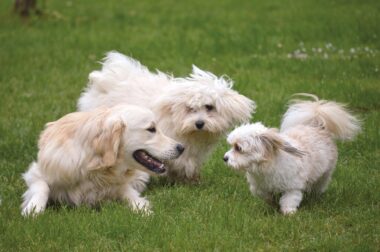
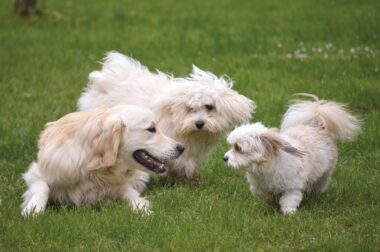
Viewing grooming as a social activity can drastically enhance a dog’s socialization process. Engaging other friendly dogs during grooming sessions, for instance, turns grooming into a fun group activity. This interaction promotes positive experiences and builds connections within a structured environment. Many grooming salons and training centers offer group sessions, allowing dogs to encounter various breeds and temperaments under supervision. Consequently, dogs learn to navigate social cues and body language, increasing their adaptability. The more experiences dogs accumulate in diverse environments, the more confident they become. Attending group grooming sessions can simulate friendly pack dynamics. It helps dogs understand their place in a social framework, easing interpersonal interactions over time. Additionally, interactions with other friendly handlers can further enhance communication skills. With the right training, dogs can positively respond to new friends and return the energy during play or training sessions. Grooming can also be a time for owners to engage socially. Sharing experiences with fellow dog owners can provide insights into training and care. Ultimately, making grooming a social activity enriches the learning process, leading to well-rounded and sociable dogs.
Lastly, the mental stimulation provided by grooming sessions serves an essential function in enhancing socialization. Grooming requires dogs to focus and adapt to various sensory experiences, which is vital for mental growth. This focus also promotes a calm behavior, which is crucial for interactions with others. Well-mannered dogs project confidence. When dogs undergo grooming, they learn to manage their emotions and reactions. Therefore, these dogs can better handle novel situations they’ll face outside. Each grooming appointment can be designed to challenge and enrich dogs, laying the groundwork for future social engagements. Similarly, varying styles of grooming can introduce different sensations and experiences, keeping dogs engaged. Whether it’s through a bath, brushing, or nail trimming, dogs can explore a range of stimuli. Engaging in these experiences contextualizes what they learn. By continually exposing dogs to social roles and handling, groomers can assist in shaping better social behavior. Regular grooming sessions ultimately enhance a dog’s overall demeanor and behavior, paving the way for positive interactions with other dogs and humans. This interplay of physical care and social strategy ensures harmonious coexistence.
In conclusion, grooming not only maintains a dog’s hygiene but is also fundamental for developing social skills. The integration of grooming with social opportunities, training, and positive reinforcement helps dogs thrive in varied environments. Dogs that regularly experience these factors are typically calmer and more confident in social situations. Observing a dog’s transformation through regular grooming sessions demonstrates the correlations between grooming and socialization. Owners can take pride in shaping their pets into well-adjusted companions. The strong bond created through these grooming sessions extends beyond cleanliness and creates a positive attitude in dogs. Overall, it is evident grooming serves multifaceted purposes in a dog’s life. By prioritizing grooming as an experience that enhances socialization, pet owners ensure their canine companions are happy and healthy. This proactive approach can significantly improve their enjoyment in varied social interactions, whether with humans or other animals. Plus, proactive grooming practices set a standard for health and hygiene. As a result, they contribute to a pet parent’s responsibility to provide a fulfilling life for their dogs. Hence, it remains crucial for owners to recognize the importance of grooming in the broader context of socialization.