
Tips to Encourage Your Cat to Drink More Water for Dental Health
Hydration plays a crucial role in maintaining your cat’s overall health, especially regarding dental health. Proper hydration helps prevent dental issues such as tooth decay and gum disease. Cats often do not drink enough water, which can lead to serious health complications. To improve your cat’s water intake, consider implementing several strategies that make drinking more appealing and accessible. Start by positioning water dishes in various areas around your home where your cat spends the most time. Make sure the bowls are clean and filled with fresh water daily, as cats may be deterred by stale or dirty water. Certain types of cat food can also have an effect on hydration levels. High-quality wet food can be an excellent source of moisture, as it contains significant water content. This can help supplement your cat’s daily water intake while also providing essential nutrients. Additionally, be aware of your cat’s preferences; some cats prefer running water. Pet water fountains can provide fresh, flowing water that not only engages your cat but encourages more frequent drinking, which is essential for their overall dental health.
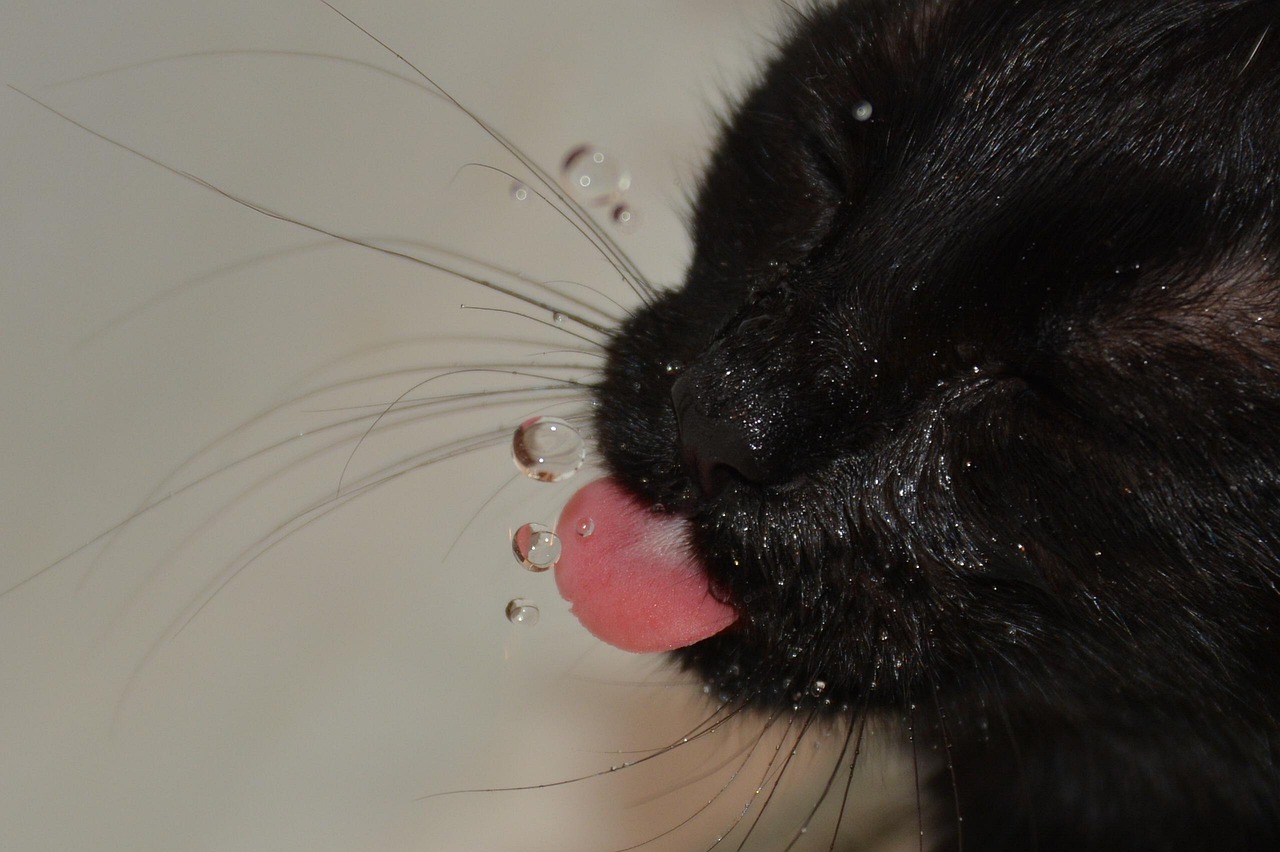
Another effective technique to encourage your cat to drink more water is to enhance the taste of their drinking water. Some cats can be picky about the water they consume, and adding a flavor they enjoy could entice them to drink more. This is where you might try adding a small amount of low-sodium broth or tuna juice to the water. However, be cautious when using these additions to avoid excessive sodium intake. Additionally, ensure to monitor how your cat responds to these changes to ensure they’re excited about drinking more. Another hydration trick involves adjusting the water bowl’s size and shape. Some cats prefer shallow, wide dishes which prevent their whiskers from touching the sides, making them more comfortable while drinking. Ceramic or glass bowls are often preferred over plastic ones, as they can retain flavors that some cats dislike. If your cat enjoys exploring their environment, consider using multiple bowls scattered around your living space to encourage drinking. Keeping the water easily accessible can significantly increase their daily water intake and contribute positively to their oral health.
Ensure Proper Water Temperature
The temperature of the water can also affect your cat’s willingness to drink. Cats are often attracted to cooler water, so ensuring that their drinking water is at a refreshing temperature can make a substantial difference. If you live in a warm climate, consider changing the water more frequently throughout the day. Instead of allowing it to sit, serve it fresh and slightly cool, as cats tend to prefer their water when it is equally satisfying to their palate. If you notice your cat is not drinking a lot, try adding ice cubes to their water dish, especially during hotter months. This can also make the water more enticing, as they may enjoy batting at the ice or sipping the water as it cools. Furthermore, ensure that the water temperature remains consistent, as sudden changes may discourage your pet from drinking. Observing your cat’s habits and preferences will allow you to tailor their hydration routine accordingly. Remember, a well-hydrated cat is less prone to oral health issues, ensuring their teeth and gums stay strong for years to come.
Interactive feeding can also play a role in increasing your cat’s water consumption. Cats are naturally playful and curious creatures, so turn hydration into an engaging activity. You can use ice cubes infused with flavors like tuna or chicken broth as ice treats during hot days. They can be a fun way for your cat to hydrate while engaging in play. Dispensing water through puzzle toys or automatic feeders can also stimulate interest, leading them to drink more than they typically would from a stationary bowl. Engage them further by mixing hydration into their daily playtime rituals. Additionally, encourage wet cat food with high water content, as mentioned earlier, incorporating cleverly designed feeders that help them obtain their meals or treat your kitten with water-rich foods like cucumber or watermelon. Finding ways to integrate hydration into play is crucial, not only for your cat’s dental health but for overall engagement as they thrive on mental stimulation as well as physical exercise within their environment.
Establishing a Routine
Establishing a hydration routine can also greatly support your cat’s water intake. Just like you schedule feeding times, consider incorporating specific times for your cat to drink water as part of their daily routine. Cats thrive on habits; knowing when it’s time to drink can make a positive difference. To begin, try offering fresh water after meals or before bedtime, as these are times when they are naturally winding down or becoming active. You may also set reminders to check and refill water bowls regularly, ensuring they are never empty. Accompanying regular water offerings with gentle positive reinforcement, such as praise or a treat, can help them associate water with pleasure. If you introduce a new water bowl or fountain into their routine, allow for a gradual adaptation process; let your cat explore and become familiar with it. Persistence and consistency can reinforce the importance of staying hydrated, which is critical for their dental and general health. Over time, these routines can lead to healthier habits, helping your cat hydrate efficiently every day.
While hydration is crucial for your cat’s dental health, it’s essential to regularly monitor their overall health and well-being as well. Regular veterinary check-ups can help identify potential issues related to dehydration, such as kidney problems or urinary issues that can manifest from insufficient water intake. Watch for signs such as lethargy, dry gums, or decreased appetite, as these may indicate that your cat is not getting enough fluids. Maintaining a healthy dental routine beyond hydration is also essential. Regularly brushing your cat’s teeth, providing dental treats, and scheduling professional cleanings will contribute to optimal oral health. Discuss any concerns about your cat’s drinking habits or dental health with your veterinarian. They can provide tailored advice on hydration methods and suggest proper dental care techniques. Being proactive about hydration, dental health, and regular vet support helps ensure a happy and healthy life for your feline friend. Ultimately, establishing a comprehensive approach to care will help keep your cat’s mouth healthy and their body well-hydrated.
Final Thoughts
Ultimately, enhancing your cat’s hydration needs directly supports their dental health and overall well-being. Implementing innovative solutions like flavor enhancers, interactive feeding, and proper bowl selection will foster better drinking habits. Providing a clean, fresh, and engaging drinking environment will encourage them to consume adequate water daily. By establishing routines and making hydration enjoyable, you can ensure your cat has healthy teeth and gums for years to come. Moreover, don’t hesitate to adapt these techniques based on your cat’s preferences and personality. Observing their unique habits and preferences will better enable you to meet their hydration needs. Engaging with your cat about water consumption, as with other areas of care, fosters a stronger bond between pet and owner. Combating dehydration helps avoid severe dental problems, ensuring a longer, happier life together. To summarize, focus on various strategies to motivate your cat to drink more. As their caregiver, your dedication to improving their hydration will significantly affect their health, including oral hygiene. The happier and healthier their mouths are, the more joy they will bring to your life.
In addition to these tips, creating an environment that encourages drinking can also involve considering the placement of the water. Cats often prefer water sources away from their food bowl, so placing their water dish in a different area can make a big difference. Explore options using multiple bowls in distinct locations to provide diversity. This strategy offers choices and allows your cat to feel in control over their hydration. Consider placing water bowls near their favorite resting spots, as they often drink more when they can easily access water without needing to move significantly. Furthermore, ensure that the water bowls are stable and not easily tipped over, as this can be frustrating. If your cat enjoys jumping on counters, consider placing water in multiple locations, including elevated ones that are safe for them. Always observe their drinking habits closely. If certain bowls or locations attract more attention than others, adjust accordingly. Being attentive to your cat’s needs can vastly improve their interest in drinking. This continuous monitoring of preference will help establish a strong hydration pattern conducive to their dental health and overall wellness.