
How to Train Dogs to Hold Poses for Pictures
Training dogs for photography sessions is an enriching experience filled with moments of joy and creativity. Critical to this journey is recognizing that dogs have unique temperaments and personalities. Understanding your dog’s characteristics is crucial for tailoring your training method. Dogs might respond differently to various cues or rewards based on their nature. Positive reinforcement is an essential technique in training. By utilizing treats, praise, or play, you’ll motivate your dog effectively. This reward system helps them associate posing with enjoyable outcomes. Consistency enhances predictability, and repetitive training leads to habit formation. Thus, establish a strict schedule for practice sessions. Gradually introduce your dog to the camera and its noise. Familiarity with equipment reduces anxiety and promotes comfort. Practice in different environments, simulating various photo shoot settings. Transitioning from familiar surroundings to new ones builds confidence in your dog. Patience is paramount; each dog learns at its pace. If a session becomes frustrating, take a break. Adjusting your training style to your dog’s needs fosters a joyful, productive bond.
Next, ensure your dog is well-acquainted with basic commands before diving into more complex posing. Commands such as “sit,” “stay,” and “come” form the backbone of expressive photography. Accordingly, mastering these allows the dog to follow your directions effortlessly. A well-trained dog responds to cues irrespective of the distractions around them. Utilize fun games and playful interactions while practicing commands. This method keeps the learning process lighthearted and stimulating. Incorporate props and different textures in practice sessions. This acclimatization can assist in keeping the dog’s focus. Guiding them towards various items helps develop their posing skills. Encourage your dog to explore different surfaces and scenarios, acting as familiarization exercises. Introducing these new elements promotes curiosity and keeps them engaged. Be sure to have a reliable camera or smartphone ready during practice sessions. Capture candid moments; they often provide terrific opportunities for unique poses. After all, the best photographs come from spontaneous actions rather than forced positions. Adapting command delivery based on the dog’s temperament is essential for achieving optimal results throughout the training sessions.
Understanding Your Dog’s Comfort Zone
Every dog has its comfort zone, and recognizing this is vital for successful posing. Observe how your dog reacts to various environments, situations, and people. Tracking these responses enables effective training adjustments. Gradually expose your dog to the camera gear and different photography settings. This practice desensitizes them against perceived threats including loud noises and flashes. Consistently providing treats during these exposures helps reinforce positive experiences. Maintain a calm atmosphere while training. Your emotions directly influence your dog’s response. A relaxed trainer contributes significantly to a calm dog. Establishing trust ensures that your dog is more likely to respond positively in challenging situations. A focal point is crucial during posing; keep your dog engaged throughout the shoot. Use toys or favorite treats to redirect attention to the camera. For successful posing, eliminate distractions that may divert their focus. Select quiet locations for initial training sessions, gradually introducing noise and movement over time. By doing so, your dog will become more adaptable to their dynamic environment. The end goal is to create a safe and enjoyable practice space that fosters collaboration.
Next, integrating variety into training sessions keeps your dog challenged while making the experience fun. Routine repetition can lead to boredom, so mix up your commands, locations, and methods. Switch between frequently used and newly learned commands for stimulating protocols. Randomization engages your dog mentally, requiring them to think and adapt. Allow for free play between structured training segments. This practice breaks up the monotony and helps maintain enthusiasm. When your dog successfully holds a pose for a photo, reward them immediately with praise or treats. This reinforces the behavior you want to see while creating happy associations. Keep training sessions short—this prevents exhaustion and keeps alertness high. Ideally, aim for sessions of around 10-15 minutes. After achieving consistent posing, begin to integrate your photography gear into the workflow. This step involves capturing images of your dog within training sessions, making adjustments accordingly. Analyze how your dog remains engaged or distracted as you snap photos. This process aids in refining your approach. Don’t overlook the importance of ensuring your dog’s energy levels match the session’s pace for productive training breakthroughs over time.
Utilizing Equipment for Better Results
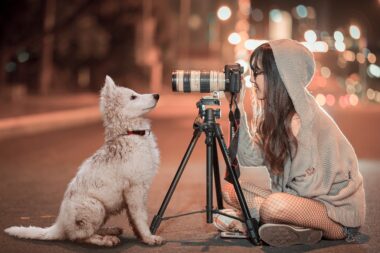
Acquainting your dog with photography equipment enhances their comfort level dramatically. As your dog recognizes the camera, slowly introduce any additional gear, like tripods or lighting. Familiarity reduces anxiety related to foreign objects. During this phase, continuously encourage interest in the camera through treats or directed attention. Focus on the snapping sound of the camera; introduce treats immediately when they hear it. This method conditions your dog to associate the sound with rewards. Engaging your dog with the equipment during their training sessions builds a positive perspective. Use fun props, such as scarves or hats, to fashion creative poses for your pictures. Ensure these props are comfortable and safe, prioritizing your dog’s well-being. Frequent breaks are essential during practicing to sustain the dog’s energy levels. Keeping a relaxed pace throughout training sessions prevents mental and physical fatigue for both you and the dog. Maintain open communication while working with your dog to cultivate an atmosphere of understanding. The shared experiences you create through equipment acquaintance contribute to success in later photography sessions together, making the journey enjoyable.
Lastly, recognizing progress is crucial in maintaining motivation throughout training sessions. Celebrate every small success to reinforce a positive atmosphere during your dog’s learning process. Keep a journal documenting your dog’s progression, detailing new commands they’ve mastered or successful poses achieved. This visual representation fosters engaging insights into their journey. Highlighting successes encourages further participation and enhanced bonding. Utilize techniques like video recording to visually track your dog’s development. This allows you to analyze each session regarding what worked and what didn’t. The best part is seeing your dog grow more confident over time. Gradual improvements can translate into stunning photographs that showcase your dog’s personality. Also, consider engaging with a community of fellow dog photographers. They can provide insights and share techniques that have effectively worked for them. Building connections with others opens doors to collaborations, enriching your dog’s training experience. Networking with others in the field can also inspire new ideas and techniques. Always adhere to the perspective of having fun and ensuring the sessions remain enjoyable for both dog and photographer alike on your creative journey.
Conclusion: Capturing the Perfect Pose
In conclusion, effectively training dogs to hold poses for photographs relies on patience and understanding. Every dog requires unique attention, with learning styles catered to their personalities. By utilizing positive reinforcement and basic commands, you establish an effective foundation for successful posing sessions. Fostering a relaxed atmosphere along with enjoyable activities promotes a strong bond. Incorporate regular breaks and maintain an encouraging attitude while capturing their best moments. Your equipment and the environment play essential roles in the process, ensuring your dog feels secure. Always celebrate each milestone reached during training sessions to encourage future successes. Consistency combined with excitement drives your dog to capture heartwarming poses naturally. Lastly, always keep your goals of a memorable photography experience at the forefront of your training endeavors. Seek out tips from knowledgeable sources and consider engaging fellow enthusiasts to enrich your journey. Ultimately, the time spent training your dog to pose beautifully for pictures is an investment in memories to last a lifetime. With dedication, you’ll see delightful outcomes, capturing the very essence of your furry friend through every click of the camera shutter.