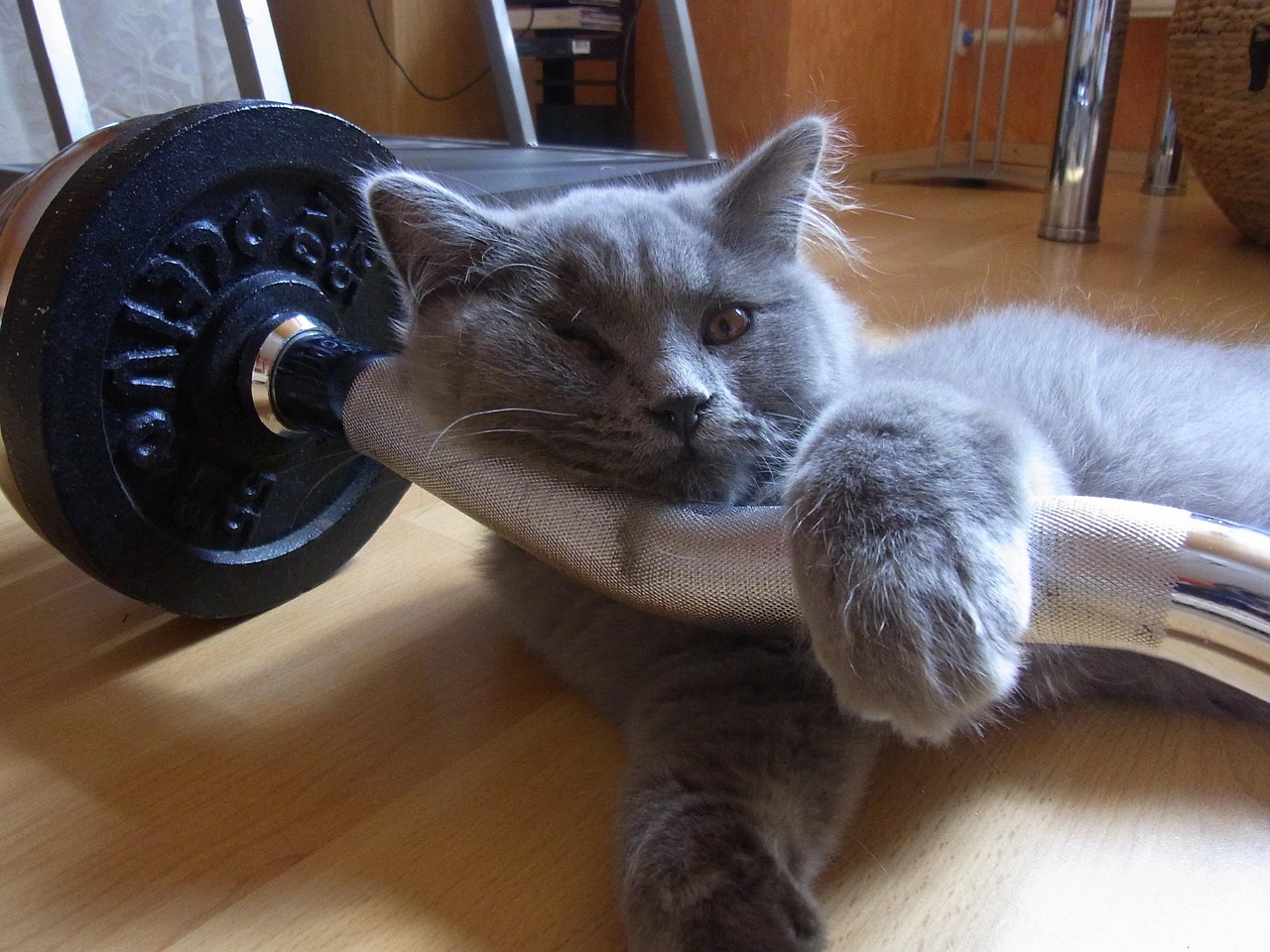

Top 10 Positive Reinforcement Techniques to Train Your Cat
Positive reinforcement is a powerful technique to train your cat while building a trusting relationship. Traditional training methods may create stress or fear, which is not conducive to effective learning. Instead, utilize treats, toys, or praise to reinforce good behaviors. Begin by identifying your cat’s favorite rewards. Whether it’s a specific type of treat or extra playtime, this will motivate them during training. Timing is crucial; when your cat performs the desired behavior, immediately reward them. This association helps your cat understand what you’re trying to teach. Start with simple commands, gradually increasing difficulty as your cat learns. For example, teach them to sit or come when called using their favorite rewards. All training sessions should be short and enjoyable. Aim for no more than 10 minutes to retain their attention. Lastly, be consistent with commands and rewards to avoid confusion. This will aid in reinforcing the behaviors you desire, making training rewarding for both you and your cat. Create a training schedule to help establish a routine. Incorporating frequent practice sessions will solidify learning and ensure lasting behavioral change.
Another key aspect is ensuring your environment is conducive to training. Eliminate distractions by choosing a quiet space for training sessions. This helps your cat focus on you and the task. Begin with basic commands and progress toward more complex tasks, such as tricks. Reinforcement can take various forms, and it’s essential to observe your cat’s preferences to tailor your approach. During training, maintain a calm demeanor, as cats can sense your emotions. Your frustration or anxiety can hinder their ability to respond. Celebrate small achievements as they occur. Each step forward means your cat is learning, building confidence through praise or rewards. Patience is vital; it may take time for them to grasp new commands. Introduce breaks into training sessions to allow your cat downtime, as this can actually boost learning by preventing fatigue. Always remember to engage positively with your cat. Playful interactions before training can set a cheerful tone, enhancing their willingness to participate.
Understanding Your Cat’s Behavior
Understanding feline behavior is integral to successful training through positive reinforcement. Cats communicate through body language; recognizing these signals is crucial. For instance, a relaxed tail and pinned ears signify a calm cat ready for learning. Concentrate on positive attributes, ensuring your cat feels safe to perform desired behaviors. Using low-stress approaches may enhance their responsiveness during training. When your cat successfully follows a command or performs the behavior you wish to reinforce, reward them instantly. This instant feedback is vital, strengthening the association between the action and the reward. Moreover, keep your training sessions brief. An overstimulated cat may become disinterested, leading to ineffective training. Utilize a clicker or similar device to mark positive behaviors clearly. The timing of reinforcement is essential, enhancing clarity around what they’re being rewarded for. Gradually, your cat will begin to associate specific actions with positive outcomes, encouraging them to repeat those behaviors more frequently. Pairing verbal commands with gestures can aid further learning, making communication between you and your cat more efficient, allowing for a connection that fosters learning.
As your cat progresses, continue varying the rewards to maintain their interest and motivation. Offering different treats or playtime after completing a task prevents monotony. For example, alternate between using treats and toys to see which engages your cat more. Be clear and specific about the behaviors you’re asking for. If the commands are vague or inconsistent, your cat may become confused. Consider teaching cue phrases that signal specific actions, such as “Come here!” or “Sit!”. Reinforcement should always follow immediately after a desired behavior. Delaying rewards may lead to confusion over what actions earned the treat. Regular feedback is essential to correct misunderstandings promptly. By focusing on building a confident and eager-to-learn cat, you set the stage for positive reinforcement training success. As trust develops, your cat will be more inclined to explore and engage in training activities. Progression in training should be continuous, celebrating all improvements. This positive experience builds a pupil who is open to learning new commands or tricks.
Creating a Positive Learning Environment
Creating a positive and encouraging learning environment is paramount in successful training using positive reinforcement. Training should be a fun and enjoyable experience for both you and your cat. Ensure that the training area is free from distractions such as loud noises or competing stimuli. This fosters a calm atmosphere where your cat can focus entirely on you. Use a pleasant tone while giving commands, as this will promote a positive association with learning. Encourage short bursts of training throughout your day to keep your cat engaged without tiring them out. Additionally, provide different types of favorites – including soft treats, verbal praise, or even petting – to understand which rewards resonate best with your feline friend. Be mindful of their mood and energy levels; furious training sessions may be less effective than those conducted when your cat is feeling playful and relaxed. Understanding when your cat is receptive is important for maximizing the effectiveness of the training. Regular sessions should instill confidence in your cat, gradually helping them become more skilled and assured.
Consider involving household members in training activities; this ensures everyone interacts positively with your cat. Cross-training can solidify commands, ensuring consistent understanding across everyone. A unified approach to training anchors your cat’s learning journey, firmly establishing the desired behaviors. Exploring the use of interactive toys as a reward can make practice sessions exciting. Incorporate toys that require problem-solving; your cat will find satisfaction while exploring their natural curiosity. Training doesn’t just reinforce commands; it also strengthens your bond with your cat. Each session encourages trust, making your relationship richer. Be adaptable during training sessions; if your cat shows signs of frustration or boredom, adjust your methods. Trials of new techniques can refresh their interest while ensuring your cat learns effectively. Continuing to monitor their progress helps recognize moments when they excel, enhancing the training experience. Ultimately, enjoy the journey of spending time with your furry companion. You’ll find the process gratifying and fulfilling, leading to a happy and well-trained cat.
Rewards and Progress Evaluation
Evaluating your rewards strategy is key to improving your training methods as they adapt over time. Not all cats respond the same to positive reinforcement, so frequent assessments may help identify the most effective approaches. For instance, if a specific treat loses appeal, swapping it for something new could reignite interest. Periodically track the success of each technique to determine what aspects resonate best with your cat. Establish benchmarks for measuring their progress; consider maintaining a log of their training sessions, noting improvements or setbacks. This not only highlights their learning journey but also provides insights into potential areas requiring additional focus. Regularly revisit previously learned commands to ensure your cat retains this knowledge. A cat might not exhibit the desired response immediately, so practicing patience and understanding is crucial. Most importantly, remember to keep it enjoyable for your cat. They thrive on positive interactions, which enhances their willingness to learn. By the end of training exercises, both you and your cat should feel accomplished and bonded, celebrating the progress made.
Implementing these positive reinforcement techniques consistently is essential for uplifting the training experience. The goal should be to foster a happy learning environment while deepening the bond with your feline friend. Skipping sessions or inconsistently applying rewards can lead to confusion or unwanted behaviors. Develop a reward system that respects your cat’s unique preferences, ensuring that each reward feels valuable to them. Whether you’re teaching tricks or simply encouraging good behavior, consistency will drive overall success. Focus on established routines to enhance understanding and eliminate confusion. Gradually reduce the frequency of treats as your cat masters each command, but ensure rewards continue, even if infrequently, to keep them motivated. Training takes time and commitment; the most successful results arise from developing a strong rapport based on trust and enjoyment. The journey can be immensely rewarding, resulting in a well-mannered cat that understands cues and fosters a cooperative spirit. Ultimately, the aim is to create a fulfilling relationship where training sessions are productive and pleasurable for both of you, leading your cat to thrive in various situations.