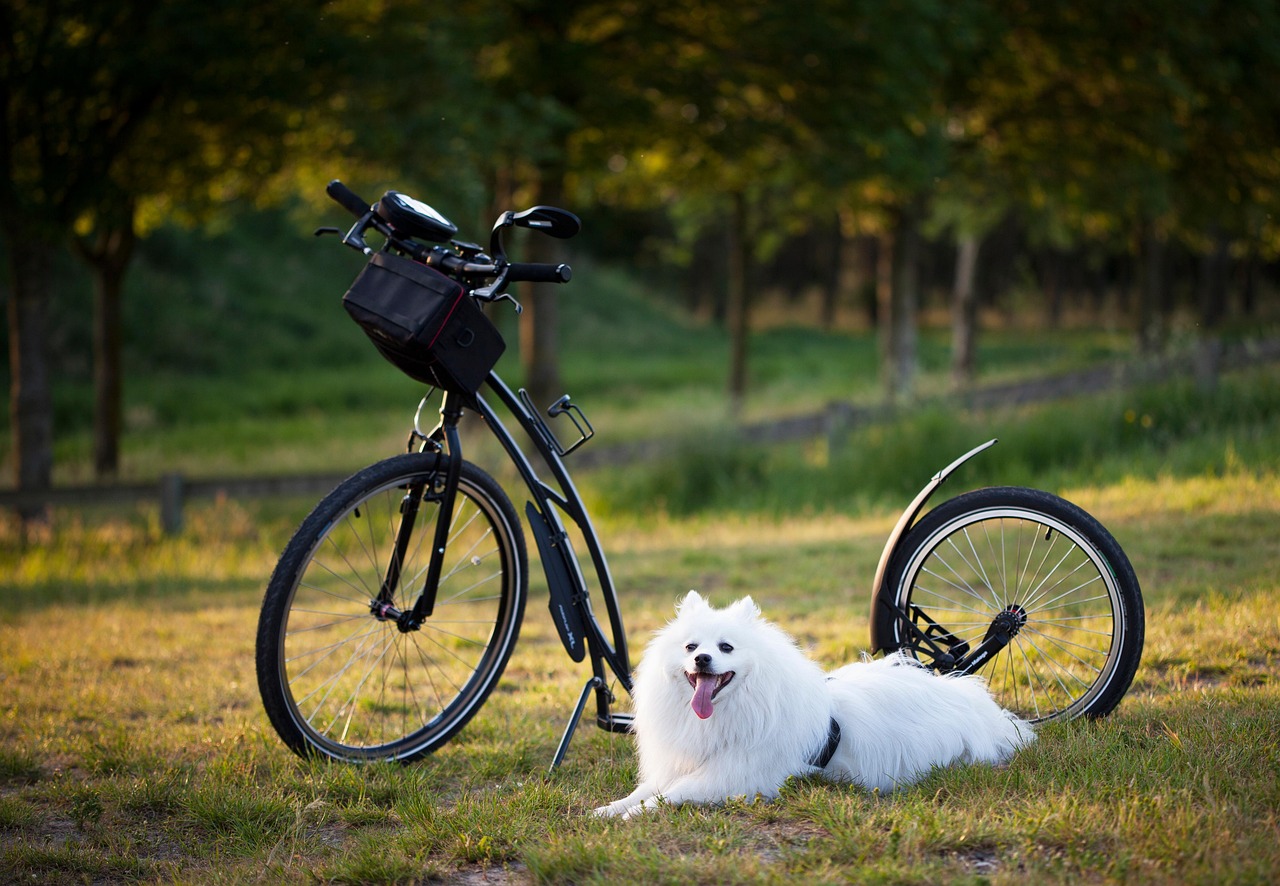

Preventing Dog Injuries from Other Animals and Pets
When dogs encounter other animals, injuries can occur if conflicts arise. Understanding how to prevent these situations is crucial for every pet owner. Preparing your dog by socializing them with various animals from a young age can minimize potential issues. Gradual exposure allows them to become accustomed to the presence of other pets. Additionally, taking your dog to controlled dog parks may improve their interaction skills. Always supervise these meetings to ensure a safe and enjoyable experience. Carrying treats can also assist you in managing their behavior during these encounters. Moreover, be aware of your dog’s temperament as some breeds are more prone to aggression or anxiety. Observing body language is vital to understanding your dog’s state during these events. Providing a comfortable environment can help alleviate stress. Furthermore, vaccination against common diseases spread through animals is necessary. Regular check-ups with a veterinarian will ensure your dog remains healthy and protected. Last but not least, educating yourself on dog first aid practices can be beneficial in case of an injury. Being prepared with knowledge will safeguard your dog’s wellbeing in any challenging situation.
Preventing injuries from animals involves enhanced awareness and proactive steps. Understanding the behavior of other pets is essential when out on walks or during playdates. Some animals may be territorial or protective, leading to possible confrontations. Keeping your dog on a leash in unfamiliar environments can help mitigate such risks. Leash training your dog ensures you maintain greater control and enables prompt responses against sudden threats. Additionally, avoiding areas known for aggressive or dominant animals can reduce the chance of encounters. Observe the surroundings; if you feel that an animal is aggressive, divert your path. Introduce a solid recall command to your dog; this ensures they return to you swiftly if faced with a confrontation. Furthermore,regular obedience training can strengthen the bond between you and your dog while enhancing their responsiveness. Reducing their tendency toward aggression can be achieved by employing treats as positive reinforcement during training. Engaging their minds through interactive toys can also channel their energy positively. Lastly, always ensure your dog is wearing proper identification. In the event they escape due to an altercation, identification will facilitate their return home safely.
Observing Signs of Distress
Recognizing when your dog is distressed is vital for preventing injuries during encounters. Certain signs indicate that your dog may feel threatened or overwhelmed. Look for cues such as growling, barking, or aggressive posturing. If you notice these behaviors, it may be time to intervene. Watch their body language closely; a tucked tail or bared teeth signal discomfort. If your dog is showing these signs, listen to their cues and remove them from the situation. Some dogs exhibit fear through fearful reactions rather than aggression. Intruders may also provoke this response, leading to unpredictable behavior. To build your dog’s confidence, offer consistent training experiences that help them navigate encounters with other pets. Socializing them effectively allows them to distinguish between friendly and threatening behavior from other animals. Establishing a secure environment during these encounters helps minimize injuries. Encouraging calmness and setting boundaries can prevent your dog from feeling overwhelmed. In addition, familiarizing your dog with various animals through structured activities can enhance their adaptability. Always prioritize your dog’s mental well-being during their interactions with other pets in any situation.
Maintaining a healthy diet may protect your dog’s physical wellbeing, which can influence their interactions. A well-nourished dog is generally more eager, confident, and less prone to injuries. Consulting with a veterinarian can help you determine the right dietary requirements based on age, breed, and health. Additionally, ensuring they get enough exercise reduces pent-up energy—energy that could lead to aggressive behavior when near other pets. Regular outdoor activities cultivate physical well-being leading to better mood regulation. If your dog is high-energy, consider enrolling them in agility classes. These classes offer mental and physical stimulation that can improve their adaptability to various environments. Besides, practicing basic training ensures that your dog can be effectively called back during uncomfortable situations. Set aside time for structured play sessions, focusing on obedience principles. Building a rapport through these activities strengthens the bond and helps your dog feel secure. Lastly, mental exercises, such as puzzle toys, can keep your dog relaxed, ultimately translating into better social skills. Remember, a healthy dog thrives in balance, both inside and outside your home.
Recognizing Dog Fighting Risks
Learning how to recognize potential dog fighting risks is crucial. The chances of injury greatly increase when your dog encounters aggressive breeds or unstable animals. While it’s important to allow socialization, certain circumstances should be avoided. Understanding the local dog laws and breed restrictions can help you navigate potential risks effectively. Nearby dog parks may often harbor unknown dangers, including aggressive breeds that pose threats. Avoiding areas with a reputation for unwarranted confrontations can be beneficial. Equally, caution is necessary around breeding areas or pet stores where tensions may flare. Additionally, odd gatherings with unfamiliar pets may bring unexpected challenges. Always investigate the presence of other dogs before allowing your pet to engage. Also, implementing the use of muzzles for known aggressive dogs can provide a layer of safety. Be sure that your dog’s interactions involve well-socialized, friendly pets. Establishing social networks with responsible dog owners can yield more secure playdates. Inform yourself on how best to manage encounters tailored to your dog’s unique needs. Remember, each pet is individual, and being observant and adaptable will help safeguard your dog’s well-being.
After an injury occurs, assessing the immediate situation is vital. Implementing basic first aid methods helps manage the injuries until professional assistance can be reached. Always keep a sturdy first aid kit on hand to treat minor wounds, cuts, or scrapes. Basic supplies should include antiseptic wipes, bandages, gauze, and adhesive tape. Training yourself on how to administer first aid contributes significantly to your dog’s safety. Additionally, remaining calm and composed when dealing with injuries will help prevent unnecessary stress for both you and your dog. If a confrontation occurs, please evaluate your dog’s injuries thoroughly; review for any signs of bleeding or fractures. If something appears severe, a visit to the veterinarian is indispensable. Understanding how to handle potential complications, like infections, is crucial to maintain health. Always keep holistic wellness in mind, combining nutrition with injury treatment for overall recovery. Following up with your veterinarian after an incident ensures proper recovery. Lastly, educating yourself on the long-term effects of injuries will aid in understanding your dog’s behavioral changes post-injury.
The Importance of Microchipping
Microchipping your dog is essential for ensuring their safety, especially in potentially dangerous situations. If your dog escapes due to an encounter with another pet, identification provides peace of mind for owners. Microchips contain essential information that can help reunite lost pets with their families. Each microchip has a unique identification number that connects back to a registered database containing your details. In the event your dog goes missing or is involved in an altercation, swift action can lead to a quick reunion. Furthermore, adopting a strong collar ensures additional identification links while integrating with microchips. Combining both methods maximizes the chances of returning home safe. Regularly verify that your contact information associated with the microchip is current to ensure clarity. Lastly, veterinarians often recommend microchipping during routine visits, making it simple to add to your dog’s health regimen. Also, some local animal shelters offer microchipping services at low costs. By taking this proactive approach, you not only safeguard your dog but also contribute to the wellbeing of the overall pet community.
Educating yourself and others about dog interactions is crucial for preventive measures. Spreading awareness in your community can foster responsible dog ownership. Utilizing local forums, social media platforms, or community events creates great avenues for sharing important information. Establishing awareness programs focusing on dog safety and interaction can help minimize risks among pet owners. Offering workshops or seminars can provide valuable training to share strategies for safer socialization. The understanding of dog behavior can significantly improve the interaction quality between pets. Encouraging responsible ownership among dog enthusiasts helps protect not just individual pets but entire neighborhoods. Moreover, working with local businesses, such as pet shops or veterinary clinics, can boost outreach potential. Distributing pamphlets or creating informative online content can significantly impact community involvement and awareness. Collaborating with fellow pet owners also provides insights into encountering various conditions. Finally, being an engaged member of your community creates a positive ripple effect, leading to safer environments for pets. By uniting efforts and sharing knowledge, we can enhance the safety and well-being of our beloved dogs.