
Creating a Holistic Daily Routine for Your Senior Dog
As our beloved pets age, their needs naturally evolve. Establishing a holistic daily routine is crucial in providing comfort and having a positive impact on their happiness and well-being. This holistic approach encompasses physical care, mental stimulation, and emotional support. Engaging in gentle exercises leads to improved mobility and helps manage weight, which can be a significant factor for older dogs. Ensure that you set aside time for walks suited for their pace, whether that be a leisurely stroll around the block or light playtime in the yard. Additionally, regular vet check-ups are important as they monitor your dog’s overall health and provide essential recommendations tailored specifically to their unique needs. Furthermore, consider incorporating supplements or holistic therapies. Essential oils or acupuncture could promote relaxation and treat any discomfort. Just be sure they are safe and suitable for your individual pet. Overall, maintaining a structured routine helps older dogs feel secure and less anxious. Enjoy your time with your senior dog and cherish these golden years by offering a routine that prioritizes their well-being and happiness.
Nutrition and Diet Adjustments
Nutrition plays a vital role in the quality of life for senior dogs. As dogs age, their digestive systems change, often requiring a shift in diet. High-quality, age-appropriate food is crucial to address their changing nutritional needs. Choose dog food that contains high-quality protein, healthy fats, and fiber to assist their digestive health. Monitor their weight closely since senior dogs can be prone to obesity, making this crucial for maintaining their overall health. Adding supplements, like Omega-3 fatty acids, can boost joint health and reduce inflammation. It’s essential to avoid over-the-counter human food that could be harmful. Items like grapes, chocolate, and onions are toxic to dogs and should be completely avoided. Always introduce new foods gradually to prevent digestive issues. Hydration is equally important; ensure that fresh water is constantly available, as older dogs may become dehydrated more easily. You might also consider preparing homemade meals tailored to their preferences, providing variation and adherence to their dietary needs. Customized nutrition paired with an attentive approach can lead to a happier and healthier senior dog.
Providing mental stimulation is equally essential for senior dogs, as cognitive decline is common in their later years. Incorporating brain games and challenging toys helps keep their minds sharp and engaged. Puzzle toys that dispense treats can be particularly effective, as they stimulate problem-solving skills while rewarding the effort. Regular social interaction, whether through family time or playdates with other dogs, also contributes to mental engagement. Consider enrolling in classes specifically for seniors, which can include gentle training exercises designed to enhance their abilities while being easier on their joints. Daily short training sessions can keep their minds active, whether it’s enhancing basic commands or learning new tricks. In addition to interactive activities, providing a variety of stimulating environments can contribute to their well-being. Exhibiting new scents, textures, and toys can be invigorating. Always pay attention to your dog’s cues and adjust activities according to their comfort level. Balancing physical and mental activities is vital as it fosters a fulfilling and enriched life, leaving you both with wonderful memories to cherish during these special years.
Holistic Health Practices
With the growing interest in wellness, many holistic health practices can enhance a senior dog’s life. Alternative therapies such as acupuncture and massage have proven beneficial for alleviating discomfort and improving mobility. Acupuncture can promote healing and balance within your dog’s body, while gentle massage can relieve tension and encourage relaxation, thus enhancing their overall mood. Additionally, consider introducing aromatherapy using pet-safe essential oils. Scents like lavender can soothe anxious dogs, helping them achieve a more relaxed state during stressful times, such as thunderstorms or fireworks. However, always consult your veterinarian before trying any alternative treatment to ensure that it aligns well with their health requirements. Regular Vet visits remain paramount but incorporating integrative methods can further support their health. You should never underestimate the power of nature; engaging daily walks in serene environments can be vital to your dog’s mental and physical well-being. This exposure not only enhances their mood but also reinforces the bond you share, enriching your experiences together by celebrating these precious moments in life.
Socialization is critical, even for senior dogs, to ensure they stay connected with the world around them. Maintaining regular playdates or visits to dog-friendly parks helps enrich their lives by allowing them to interact. These interactions can alleviate feelings of loneliness or depression that older dogs may experience. Moreover, social outings can improve their confidence and provide mental stimulation. While their physical abilities may have reduced, they still crave companionship and interaction. Be mindful of their pace and ensure that any play sessions are not too strenuous. Observing their signals will help guide how long or intense these social activities can be. Furthermore, building a community of dog owners can also provide additional social interactions for both pet and owner. Participating in local dog events or classes creates joyful experiences, fostering friendships that enrich everyday life. Balancing solitude with social opportunities creates a well-rounded environment for your senior dog. Remember, each interaction is an opportunity to learn and grow, enhancing their quality of life while showing them they’re cherished and loved.
Creating a Comfortable Living Space
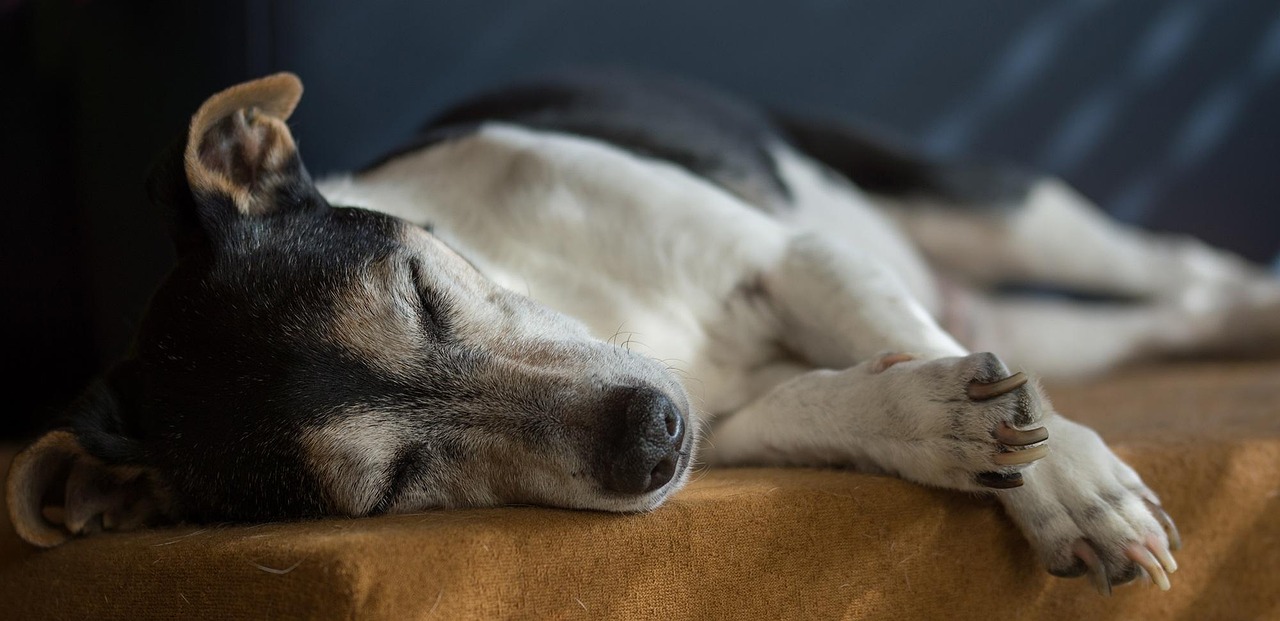
As dogs age, their need for comfort and security in their home environment becomes paramount. Establishing a cozy sleeping area helps them rest without stress. You might want to elevate their sleeping space with additional padding to ease joint discomfort. Orthopedic beds can provide much-needed support to alleviate aches, ensuring a better night’s sleep. Regularly clean their designated area to reduce allergens and dust that can irritate their sensitive bodies. Accessibility is also crucial; consider ramps or steps to facilitate smoother transitions to favorite places like the couch or car. A safe space that allows them freedom while minimizing hazards is vital as they can become more easily disoriented or less agile. Additionally, maintaining a routine helps instill a sense of stability. Familiar surroundings and predictable routines enable senior dogs to feel secure in their environments, thus reducing anxiety. Attention to these details ensures they live comfortably in their golden years. An environment tailored to their needs fosters happiness and contentment, allowing them to enjoy each moment spent in loving companionship.
Regular veterinary care is essential for older dogs, as they require more frequent checkups to monitor health issues. Geriatric checkups enable your vet to catch problems early, improving treatment outcomes significantly. Blood tests provide insight into their internal organ function, while physical examinations will focus on mobility and weight management. Your vet may recommend specific vaccinations and preventative measures tailored to their ages, such as dental cleanings that are crucial for preventing illness. Additionally, discussing any changes to your pet’s behavior should be a priority, as this can indicate underlying issues. Keeping an open line of communication with your veterinarian involves actively participating in your dog’s health management. They can provide expert insights on dietary needs or successfully manage chronic conditions if present. Planning for your dog’s health in the long term, while taking suggested precautions, ensures they are happy and healthy, promoting longevity and vitality. Having a proactive approach allows you to support your beloved pet through their later years with dignity, love, and care while being aware of the overall impact on their life quality.