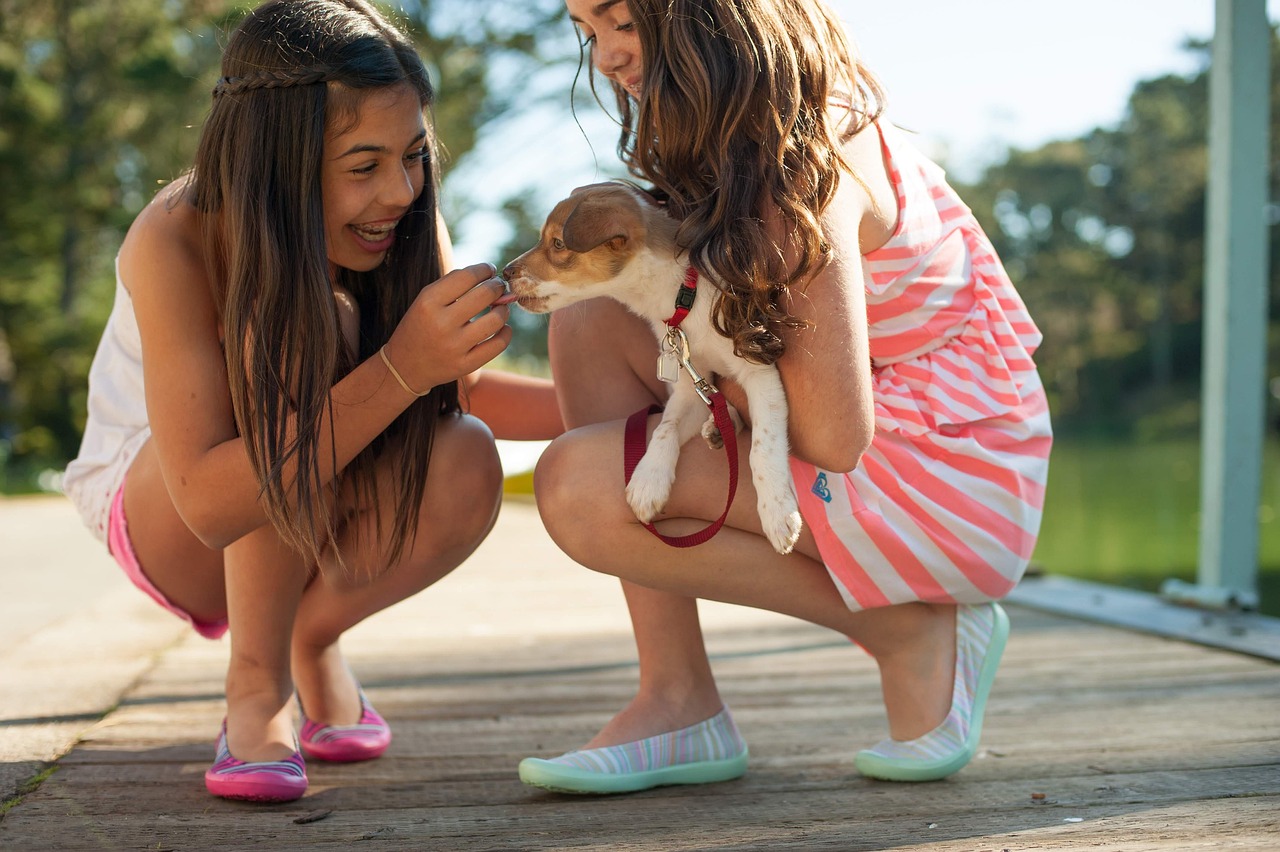

How to Socialize Your Puppy Around Children
Socializing your puppy around children is essential for fostering their development and ensuring they are well-adjusted. When introducing a puppy to kids, it’s crucial to start slowly. Begin by having the child sit calmly nearby, allowing the puppy to approach at their own pace. This way, your puppy can make a positive association with the presence of children. It’s vital to supervise all interactions meticulously, ensuring both the puppy and the children feel safe. Emphasizing gentle touches and calm voices can help create a relaxed atmosphere, allowing the puppy to acclimate without feeling overwhelmed. Gradually increase the intensity of interactions, encouraging kids to offer treats and toys. Moreover, teaching children how to behave around puppies can prevent mishaps. Encourage them not to pull tails or shout, as this can frighten the puppy. Positive reinforcement is key; rewarding the puppy for calm behavior will help them learn appropriate responses. Lastly, frequent, short socialization sessions are more effective than infrequent, lengthy ones. This gradual approach can foster a strong bond between your puppy and the children in your household, contributing to their overall happiness and social confidence.
Ensuring a safe environment is critical when socializing your puppy around kids. Create designated areas within your home where the puppy feels secure while still being part of the action. Use baby gates to keep the puppy separate yet included, especially during chaotic play sessions. By allowing your puppy to observe children from a safe distance, they can learn how to interact without becoming overwhelmed. Gradually introduce them to the excitement, ensuring that play doesn’t get too intense too quickly. Focus on positive experiences during these initial interactions. If the puppy seems anxious or scared, take a step back to allow them to gradually adjust. Use treats and praise as a means of reinforcement whenever they exhibit calm behavior. Encourage children to engage in gentle play, such as tossing a soft toy, which keeps the puppy interested and helps them view children as companions rather than threats. Make sure that the experiences are rewarding, as this increases the likelihood of successful future interactions. By creating an environment built on trust, you’re laying the groundwork for harmonious relationships between your child and puppy.
Recognizing Signs of Stress in Puppies
Being attentive to your puppy’s body language is imperative during socialization. Signs of stress can manifest in various ways, including tucked tails, flattened ears, or attempts to hide. Understanding these signals can help you determine when to give your puppy a break. If your puppy displays these signs, it’s important not to force them into interactions. Instead, calmly redirect them to a quieter space. This time allows them to decompress while reinforcing that they are safe. Moreover, it’s vital to create positive associations with children, as this will help ease stress over time. Use toys or treats to reward your puppy for calm behavior when kids are present, reinforcing their view of children as a positive element. Additionally, train children to recognize similar signs of stress in puppies. Teaching them to respect the puppy’s space and feelings will build mutual respect and trust. A collaborative approach creates a positive environment for everyone. Always remember, socialization is a gradual process and it’s fundamental to go at a pace that’s comfortable for both the puppy and the child. Patience is essential.
Frequent outings can also aid in socializing your puppy around children. Taking the puppy to busy parks or playgrounds where children play can expose them to a variety of noises, sights, and activities. Ensure your puppy is on a leash to provide control and safety during these outings. Use these experiences as opportunities for reward-based training. Praise your puppy or offer treats when they remain calm amidst the activity. Gradually increase exposure to children by allowing them to interact one at a time. This can help your puppy manage their excitement and anxiety more effectively. To enhance this experience, consider bringing along known friends or family members with friendly kids. This controlled interaction can help reinforce positive behavior in a manageable setting. Also, engaging in basic obedience training can establish a sense of structure for the puppy. Commands like sit, stay, and come can help maintain control in potentially overwhelming situations. Ultimately, consistently providing positive experiences in varied environments lays a robust foundation for social skills. This contributes significantly to a well-rounded, confident puppy, easing their path into the world as they grow.
Incorporating Playtime with Kids
Structured playtime is an excellent way to socialize your puppy with children effectively. Organizing playdates allows for supervised interactions that foster positive experiences for both your puppy and kids. Choose age-appropriate games that suit your puppy’s energy levels. Simple fetch or gentle tug-of-war can be ideal, ensuring that children understand the importance of playing gently. Always supervise these activities closely, intervening if play becomes too rough to ensure safety for all involved. Teach children the importance of taking breaks, allowing the puppy to rest when needed. Awareness of the puppy’s boundaries is essential, as forcing a puppy into prolonged play can lead to stress or anxiety. Balance excitement with calm moments, reinforcing good behavior. Additionally, consider engaging both the kids and the puppy in training games, which can be fun and educational. Teaching commands in the presence of children can strengthen the bond while instilling discipline in your puppy. Additionally, praising the puppy for good interactions reinforces these behaviors. Establishing rules and structure ensures everyone understands how to play positively. Finally, consistency during these play sessions builds trust and confidence, making for enjoyable experiences in the long run.
Ensuring every interaction is a positive one will bear fruit in the long run. While puppies and kids may have abundant energy, striking a balance between fun and safety is crucial. Start by establishing clear guidelines regarding acceptable behavior from both the children and the puppy. Educate kids about appropriate ways to interact, emphasizing the importance of being gentle and respectful toward the puppy. Additionally, incorporate fun activities that engage the puppy with the children, creating lasting memories. Always keep a close eye on the momentum of play; if things start to get too chaotic, step in to redirect their attention. Creating a ‘calm time’ ritual, where both the children and puppy can relax together, can dramatically enhance their bonding experiences. Keep sessions short to maintain the puppy’s interest and focus. For older children, incorporating basic training lessons can be exciting and educational. Having the kids participate in training helps them understand the puppy’s needs better while fostering responsibility. Remember, a supportive atmosphere lays the groundwork for healthy relationships. As a result, the puppy and child will likely share a bond based on love, trust, and respect.
Dealing with Accidental Biting
Accidental biting during play is a common challenge in socializing a puppy. Puppies may bite because they are excited or still learning how to interact appropriately. If this occurs, it’s essential to respond calmly yet firmly. Simply withdraw your attention and stop play, teaching your puppy that biting ends the fun. Use a consistent phrase to signal that their behavior was unacceptable, such as ‘ouch’ to communicate discomfort. This can help reinforce that biting is undesirable and leads to positive interactions ending. Moreover, redirect their energy towards acceptable chew toys or appropriate biting items to fulfill their instinct to chew while keeping it constructive. Consistency in these responses is key; over time, your puppy will learn the difference between appropriate and inappropriate behavior. Teaching them the correct way to play is a gradual process involving patience and kindness. Engaging the puppy in training can be positive, helping them use their mouths in acceptable ways while during play or training exercises. This proactive strategy will serve to decrease impulse biting while enhancing playtime enjoyment. Gradually, with proper guidance, your puppy will develop healthier play habits, leading to joyful interactions.
Lastly, celebrating the progress your puppy makes throughout their socialization journey is essential. Acknowledge even the smallest victories, whether it’s approaching a child without hesitation or initiating play. Positive reinforcement helps reinforce good behaviors while fortifying your bond. Share these experiences with friends or family, creating support around this growth journey, thus helping to create a supportive community. You might also wish to keep a journal to track your puppy’s socialization milestones. By documenting the experiences and challenges faced, you can assess the progress over time and adjust training methods accordingly. Recognizing the timeline of their comfort can help guide future interactions, ensuring you remain proactive. Remember that socialization is an ongoing process, meaning continued exposure to children as your puppy grows will further enhance their development. Regular social interactions help reinforce their learning, so don’t hesitate in providing diverse experiences. By fostering an interactive, loving atmosphere and focusing on progress, your puppy will thrive socially, becoming a well-adjusted companion. With consistent efforts, they will be prepared for a safe, enjoyable life alongside children throughout their journey.