
The Connection Between Play and Cat Socialization
Play is a crucial aspect of a cat’s life that directly impacts their mental health and social behavior. Engaging in play allows cats to simulate hunting, which is essential for their instinctual development. Through play, cats can express their natural predatory behaviors, such as pouncing and stalking. This provides physical activity crucial in preventing obesity and related health issues. Moreover, play serves as a method for cats to bond with their owners, enriching their household environment. It’s evident that regular interactive playtime can elevate a cat’s happiness, alleviating stress and anxiety. This is particularly important for indoor cats lacking outdoor hunting opportunities. By incorporating various toys and stimulating environments, owners can foster a playful atmosphere, enhancing their cat’s mental well-being. For instance, using feather wands, laser pointers, and puzzle toys encourages cats to engage more actively. Consequently, this interactive experience caters not just to their physical needs but also helps them develop crucial social skills. In summary, play is undeniably linked with both the emotional health and social development of cats, making it an indispensable element in their daily lives.
In addition to physical benefits, play also stimulates a cat’s cognitive functions, driving their mental engagement and curiosity. Kittens learn important life skills from their mothers and siblings through playful interactions. These include social cues, boundaries of aggression, and communication signals. When playing with other cats, they establish their social hierarchy and learn vital conflict-resolution strategies. Such experiences shape their personalities and influence how they interact with humans and other animals later in life. Engaging kittens in play that mimics their natural behaviors can result in the development of well-adjusted adults. Furthermore, adult cats also benefit greatly from play. Regularly playing keeps their minds sharp and can potentially slow down cognitive decline associated with aging. Furthermore, it can alleviate boredom, leading to healthier behaviors and reducing destructive tendencies, which often stem from pent-up energy or frustration. By investing time and effort into structured play sessions, owners can cultivate an environment where their cat thrives both mentally and socially. As a result, fostering a playful and engaging atmosphere is paramount for the holistic well-being of our feline friends.
The Role of Toys in Play
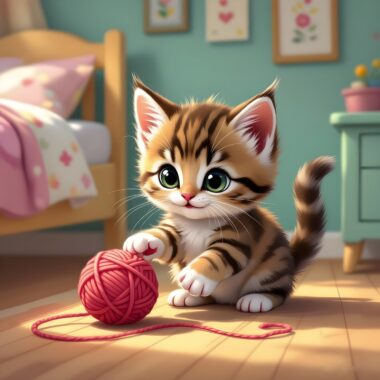
Choosing the right toys is vital in facilitating meaningful play experiences that contribute to cats’ mental health. Toys that mimic prey, such as feather toys or balls with bells, can engage a cat’s instincts. These types of toys not only evoke hunting behaviors but also stimulate physical activity, crucial for maintaining a healthy weight. Moreover, interactive toys can provide mental challenges, keeping a cat entertained while also sharpening their problem-solving skills. Puzzle feeders are excellent examples, encouraging cats to work for their treats, which creates a stimulating environment. Engaging with different types of toys also allows cats to explore their preferences, building confidence and improving their social skills. It’s important to rotate toys frequently to maintain interest and challenge them mentally. Furthermore, tactile toys that vary in texture can keep a cat curious and active. Overall, toy selection plays a significant role in promoting positive interactions and should be tailored to each cat’s unique personality and preferences. Ensuring that play is diverse and engaging can significantly enhance a cat’s physical health and emotional well-being.
Another essential aspect of play is the interaction between cats and their human companions. Regular play sessions foster a stronger bond between a cat and its owner, enhancing trust and socialization. This relationship is crucial in providing a sense of security for the cat, especially in multi-pet households or environments with frequent human traffic. Engaging in interactive play not only helps cats expel energy but also aids in reducing unwanted behaviors. When cats receive adequate attention and exercise through play, they are less likely to engage in destructive activities. Furthermore, positive interactions during play can also teach cats proper behavior and encourage them to socialize better with other pets. Owners can further enhance these interactions by employing clicker training or employing treats to encourage desired behaviors. Quality time spent together during play reinforces the cat’s understanding of its owner’s behaviors and responses, leading to improved communication. Therefore, investing in regular playtime with your cat is invaluable for nurturing a strong and lasting bond. This dynamic contributes positively to their mental health and overall well-being by making them feel valued and understood.
Social Play with Other Cats
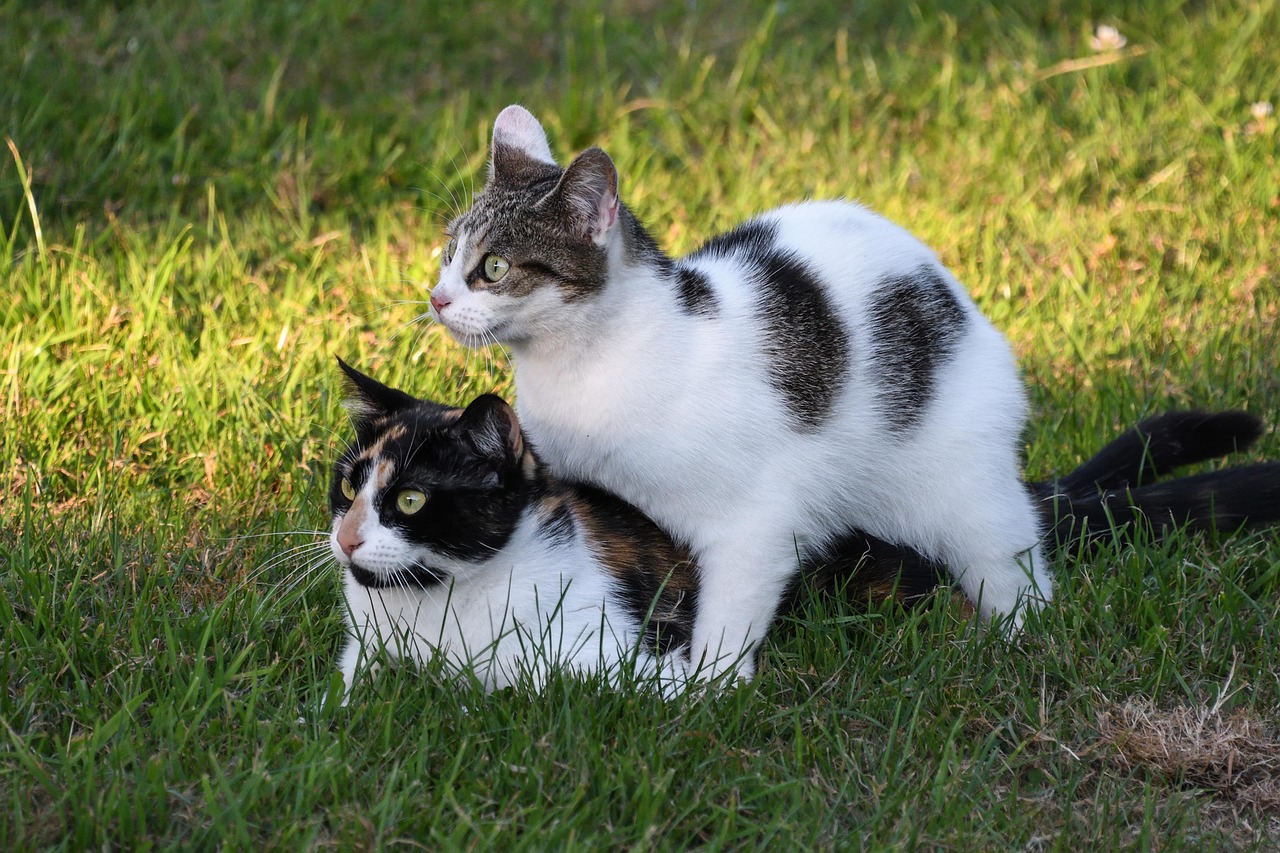
Social play with other cats is equally vital for promoting healthy interactions and developing social skills. Kittens exhibit natural play-fighting behaviors that teach them boundaries and the importance of cooperation. Play helps young cats learn to manage their aggression and express affection within their social groups. Regular interactions with siblings pave the way for stability in adult social behaviors, which means well-adjusted cats tend to engage better with humans and other pets. When adult cats have the opportunity to play together, it can greatly enhance their emotional well-being. Safe, controlled social play reduces stress and provides the chance to express their natural behaviors. Additionally, it acts as an outlet for their energy, which is especially beneficial in multi-cat households. Owners should facilitate social play by providing adequate space and opportunities for interaction. Introducing new cats slowly and observing their interactions can ensure a positive experience. Adequate social play can alleviate feelings of loneliness while fostering a sense of belonging and security in their environment. Ultimately, social play enriches cats’ lives and encourages healthy social development.
It is also important to recognize when a cat prefers solitary play versus social play. Some cats thrive with companions, while others may prefer to play independently. Understanding your cat’s individual preferences helps in developing a tailored play plan that respects their unique personality traits. For instance, solitary cats often enjoy toys that can engage them without the need for another feline companion. Offering a variety of toys allows these cats to explore and find what captivates them the most. Respecting their need for independence can reduce stress and anxiety, ensuring a healthier mental state. Moreover, cats that display shyness or aggression during playtime may benefit from gradual exposure to less stimulating environments. The incorporation of quiet spaces for retreat can also alleviate fear and promote exploration at their own pace. Observing your cat’s responses during play can provide insights into their social needs. Being attentive to these cues is crucial for fostering a well-balanced playtime experience. Consequently, customizing play interactions based on each cat’s preferences ultimately enhances their mental health and contributes to their overall quality of life.
Conclusion: The Importance of Play
In conclusion, emphasizing the value of play in cat mental health is essential for both cats and their owners. Play fosters not only physical activity but also cognitive stimulation and social interaction, crucial for a cat’s emotional well-being. Providing diverse and engaging play options creates an enriching environment that caters to their natural instincts. Notably, owners should engage in this playful atmosphere, ensuring a strong bond develops between them and their companions. The carefully selected toys and understanding individual play preferences can significantly enhance a cat’s quality of life. Whether it’s through solitary play or social interactions, the act of playtime is a vital component in a cat’s routine. Owners should prioritize regular play sessions to encourage healthy behaviors and reduce stress. By advocating for the importance of playful interactions, we can create happier, healthier felines. After all, a playful cat is often a happy cat, making play an integral part of responsible pet ownership. Regular engagement and understanding of a cat’s social dynamics can lead to a fulfilling and joyous relationship between humans and their feline friends.
By recognizing the multifaceted benefits of play, cat owners can take proactive steps toward supporting their pets’ mental health. Creating a stimulating environment filled with opportunities for play not only keeps them physically fit but also mentally sharp and socially balanced. Moreover, investing time into play reveals a deeper understanding of a cat’s behavior, ultimately enhancing their quality of life. Every interaction is a chance to strengthen the bond between cat and owner, instilling trust and happiness. In the long run, prioritizing play is not just an activity; it becomes a crucial aspect of ensuring a fulfilling life for our beloved cats. Our commitment to observing and responding to their needs during playtime fosters an enriching atmosphere for them to flourish. As we continue to embrace the joys of play, let us champion the connection between mental health and an active lifestyle, ensuring our feline companions enjoy happy, balanced lives filled with excitement and joy.